Compare models
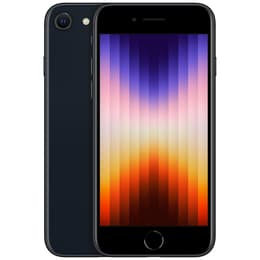
Galaxy S25 vs iPhone SE (2022)
- 1-year warranty
- Free standard shipping
- Free 30-day returns
Differences at a glance
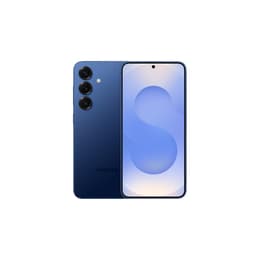
The Samsung Galaxy S25 (2025) and the Apple iPhone SE (2022) represent two distinct approaches to smartphone design, catering to very different user preferences. While the Galaxy S25 runs on Android and offers modern flagship hardware, the iPhone SE runs on iOS and utilizes a traditional, compact form factor. These devices differ significantly in release year, interface design, and everyday capability.
Available Models
Colour
Storage
Scores
Durability
Evaluating the lifespan and durability of these devices reveals clear differences in release timelines, software update support, and long-term hardware endurance.
- Release timeline and support: The Galaxy S25 benefits from a much newer release date, securing several additional years of security patches and operating system updates compared to the older iPhone SE.
- Hardware resilience: The Galaxy S25 features modern glass protection and higher water-resistance standards, whereas the iPhone SE retains a legacy shell design with older glass panels.
- Practical lifespan: Users can expect the Galaxy S25 to remain supported by software updates for a longer duration, making it well-suited for long-term daily use.
Release year
2025
2022
Operating system
Android
iOS
Foldable
No
No
Performance
System responsiveness and everyday capabilities vary based on internal hardware generations, memory capacity, and battery management.
- Multitasking capacity: The Galaxy S25 includes substantial RAM headroom that handles heavy multitasking and demanding applications smoothly, while the iPhone SE relies on a lighter memory configuration suited for standard day-to-day tasks.
- Battery behavior: The Galaxy S25 incorporates a larger battery capacity that comfortably powers a full day of mixed usage, whereas the iPhone SE's smaller power cell requires more frequent recharges during heavy operational workflows.
- App responsiveness: Both devices launch applications quickly, though the modern processor in the Galaxy S25 maintains higher sustained speeds during extended gaming or intensive software use.
Screen quality
Display characteristics differ markedly in panel technology, physical dimensions, and viewing smoothness.
- Display technology: The Galaxy S25 features a vibrant OLED screen with deep contrast and smooth refresh rates, while the iPhone SE utilizes a smaller LCD panel with standard refresh rates.
- Outdoor visibility: High peak brightness levels on the Galaxy S25 ensure clear visibility under bright sunlight, whereas the iPhone SE requires more shade for comfortable outdoor reading.
- Viewing experience: The expansive edge-to-edge display of the Galaxy S25 offers a modern media consumption experience, contrasting with the compact screen and thick borders of the iPhone SE.
Resolution
1080x2340
750 x 1334
Audiovisual
Media capture and audio output capabilities reflect the technological gap between a modern flagship and a legacy compact device.
- Camera systems: The Galaxy S25 equips a versatile multi-lens array including ultra-wide capabilities, while the iPhone SE relies on a single rear lens configuration.
- Low-light performance: Advanced image processing on the Galaxy S25 captures clearer details in dim environments, whereas the iPhone SE produces more visible noise when shooting at night.
- Media consumption: Stereo speakers on both devices provide clear audio for calls and casual video viewing, though the larger acoustic chambers on the Galaxy S25 deliver fuller sound output.
Miscellaneous
Physical handling, connectivity standards, and daily functional features define the practical usability of each smartphone.
- Biometric security: The Galaxy S25 uses an in-display fingerprint scanner and modern facial recognition, while the iPhone SE retains a physical home button with traditional fingerprint sensing.
- Port architecture: The Galaxy S25 adopts the universal USB-C standard for charging and data transfer, whereas the iPhone SE uses Apple's legacy Lightning connector.
- Physical handling: The exceptionally lightweight and compact frame of the iPhone SE fits easily into smaller pockets, while the Galaxy S25 balances a larger screen size within a slim profile.
Weight
162 oz
144 oz
Screen size (in)
6.2
4.7
SIM card
Physical SIM + eSIM
Physical SIM + eSIM
Carrier compatibility
Unlocked
Unlocked
What the community thinks
User feedback from online communities highlights distinct preferences for each device. Owners of the Galaxy S25 frequently praise its bright display, smooth multitasking, and versatile multi-lens camera system, though some note that the modern size takes up slightly more pocket space. Conversely, users of the iPhone SE appreciate its familiar physical home button, pocket-friendly dimensions, and straightforward interface, while frequently citing the smaller battery capacity and absence of an ultra-wide lens as common limitations.
Users prioritizing a modern, expansive display, advanced photographic options, and long-term software support will find the Galaxy S25 well-suited to their needs. Meanwhile, users preferring a compact physical footprint, a traditional home button, and iOS simplicity may lean toward the iPhone SE. Choosing a quality-assured refurbished option provides an eco-friendly way to acquire either model while supporting sustainable consumption choices. Ultimately, the right choice depends on whether daily routines center around modern multimedia consumption or streamlined, minimalist operation.