Compare models
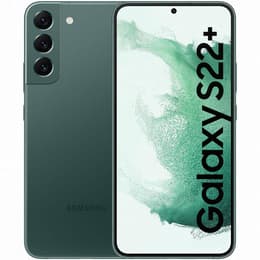
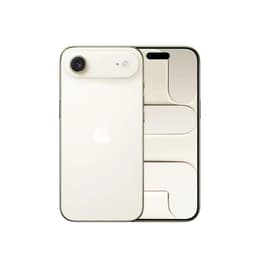
Galaxy S22+ 5G vs iPhone Air
- 1-year warranty
- Free standard shipping
- Free 30-day returns
Differences at a glance
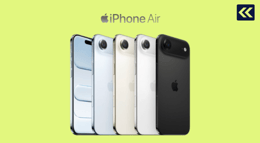
The Samsung Galaxy S22+ 5G (2022) and the Apple iPhone Air (2025) represent two distinct approaches to large-screen smartphone design, bridging different release eras and operating systems. While the Galaxy S22+ relies on Android and a traditional flagship layout, the iPhone Air introduces iOS via an ultra-slim, lightweight profile. Choosing between them involves balancing operating system preferences with hardware design priorities.
Available Models
Colour
Storage
Scores
Durability
When examining hardware longevity and upkeep, both devices provide robust long-term support though they originate from different launch years and software ecosystems.
- Software Support: The iPhone Air benefits from a more recent release window, securing extended operating system updates compared to its Samsung counterpart.
- Repairability: Both models feature sealed glass-and-metal construction, though professional service centers can readily handle battery replacements for both units.
- Expected Lifespan: Choosing a quality-assured refurbished option from Back Market allows both devices to deliver reliable multi-year utility under standard daily use.
Release year
2022
2025
Compatible with latest Update
Yes
Yes
Operating system
Android
iOS
Foldable
No
No
Performance
Processing capability and energy efficiency differ significantly due to the generational gap between the two hardware architectures.
- Multitasking and Speed: The iPhone Air handles demanding applications and intensive background tasks with exceptional fluidity, whereas the Galaxy S22+ manages everyday browsing and standard apps smoothly.
- Battery Behavior: The Galaxy S22+ incorporates a larger physical power cell suited for standard daily usage, while the iPhone Air relies on energy-efficient engineering to optimize its slimmer battery capacity.
- Storage Configurations: Both devices offer ample internal storage tiers starting at baseline capacities suitable for photos, local media, and documents.
Screen quality
Both handsets feature expansive glass panels built for media consumption, though their display metrics reflect distinct design choices.
- Display Technology: Both models utilize vibrant OLED panels offering deep contrast levels and sharp text clarity for reading or streaming video.
- Outdoor Visibility: The iPhone Air reaches exceptionally high peak brightness levels for direct sunlight legibility, while the Galaxy S22+ also maintains strong outdoor visibility via intelligent contrast boosting.
- Refresh Rates: Both screens support fluid high refresh rates, ensuring smooth scrolling through web pages and user interfaces.
Resolution
1080 x 2340
2736x1260
Screen type
Dynamic AMOLED 2X
Super Retina XDR
Audiovisual
Optics and media playback capabilities vary between the multi-lens configuration of the Samsung model and the streamlined single-lens approach of the Apple device.
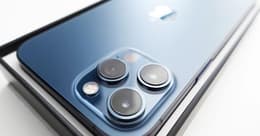
- Camera Systems: The Galaxy S22+ features a versatile triple-lens setup including a dedicated telephoto zoom lens, whereas the iPhone Air employs a single high-resolution main sensor with advanced digital framing capabilities.
- Low-Light and Video: Both units capture detailed imagery in dim environments and record stable, high-definition video with clear audio reproduction.
- Media Output: Internal speaker systems on both devices deliver balanced stereo sound for casual music listening and video playback.
Main camera
50 megapixels
48 megapixels
Front camera
10 megapixels
18 megapixels
Miscellaneous
Physical dimensions and connectivity standards reflect the contrasting build philosophies of each manufacturer.
- Build and Handling: The iPhone Air prioritizes an extremely thin profile and lightweight titanium-infused frame, while the Galaxy S22+ offers a slightly heavier, traditional flagship feel with robust aluminum edges.
- Connectivity: Both models support modern high-speed cellular networks, Wi-Fi standards, and secure local authentication via biometric sensors.
- Physical Ports: The Galaxy S22+ utilizes a standard USB-C port, whereas the iPhone Air pairs wireless charging capabilities with its own designated data connection standard.
Weight
227 oz
165 oz
Screen size (in)
6.6
6.5
Network
5G
5G
SIM card
Physical SIM + eSIM
eSIM
Carrier compatibility
Unlocked
Unlocked
Connector
USB-C
USB-C
What the community thinks
User feedback from online communities highlights distinct preferences for each device based on daily habits and software affinity. Owners of the Galaxy S22+ frequently praise its balanced ergonomics, versatile multi-lens camera array, and reliable display performance. Conversely, users often commend the iPhone Air for its remarkable thinness, featherlight feel in the hand, and smooth operating system integration. Common discussions sometimes note that the S22+ requires more frequent charging under heavy workloads, while the iPhone Air's minimalist camera layout lacks an optical zoom lens.
Users prioritizing multitasking headroom, a streamlined operating system, and maximum physical lightness will find the iPhone Air well-suited to their needs. Meanwhile, users preferring a versatile multi-lens camera system with optical zoom capabilities, an Android environment, and a traditional device profile may lean toward the Galaxy S22+. Selecting either device as a quality-assured refurbished option provides a sustainable choice that extends technology lifecycles while matching individual technical requirements.