Compare models

Galaxy S22+ 5G vs iPhone 17 Pro Max

  • 1-year warranty
  • Free standard shipping
  • Free 30-day returns
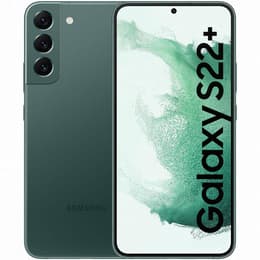
Galaxy S22+ 5G
Starting at

Refurbished price:A$349.00

Versus A$1,690.00 new

See options
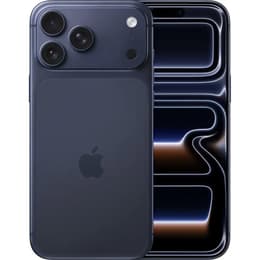
iPhone 17 Pro Max
Starting at

Refurbished price:A$1,650.00

Versus A$2,199.00 new

See options

Differences at a glance

The Samsung Galaxy S22+ 5G (2022) and the iPhone 17 Pro Max (2025) represent different generations and distinct ecosystems within the smartphone market. While the Galaxy S22+ 5G provides a balanced Android experience with a streamlined design, the iPhone 17 Pro Max introduces advanced hardware capabilities and a larger form factor running iOS. These devices differ significantly in release year, processing architecture, and software environments, catering to varied user preferences.

Available Models

Colour

Storage

Scores

Durability

Device longevity and software support timelines differ due to the multi-year gap between their respective release dates, directly impacting long-term usability and update frequency.

  • Software Support: The iPhone 17 Pro Max benefits from an extended software update window spanning multiple years, whereas the Galaxy S22+ 5G is further along in its manufacturer support lifecycle.
  • Repairability and Build: Both smartphones utilize robust assembly methods and high-strength frame materials, though professional repair accessibility varies by region for each brand.
  • Expected Lifespan: Users can expect reliable day-to-day operation from both devices, with newer hardware architectures providing extended headroom for future software demands.

Release year

2022

2025

Compatible with latest Update

Yes

Yes

Operating system

Android

iOS

Foldable

No

No

Performance

System responsiveness and everyday multitasking handle demanding routines smoothly on both models, though their internal hardware architectures and memory configurations yield distinct operating experiences.

  • Multitasking and Memory: The iPhone 17 Pro Max features ample RAM capacity to keep multiple demanding background applications active simultaneously, while the Galaxy S22+ 5G efficiently manages daily tasks and standard app switching.
  • Battery Behavior: The Galaxy S22+ 5G provides adequate daily endurance for standard usage patterns, whereas the larger battery capacity in the iPhone 17 Pro Max delivers extended endurance through heavy workloads.
  • Storage Configurations: Both devices offer multiple storage tiers to accommodate media libraries, applications, and documents without expandable storage slots.

Screen quality

Display technologies on both smartphones deliver bright, sharp visuals, though they differ slightly in physical dimensions, peak luminance, and refresh rate implementation.

  • Display Technology: Both models utilize advanced OLED panel technology with deep black levels and vibrant color reproduction, ensuring high clarity for text and media.
  • Refresh Rate and Smoothness: Both devices incorporate adaptive high refresh rate capabilities up to 120Hz, resulting in fluid scrolling and responsive touch interactions.
  • Outdoor Visibility: High peak brightness levels on both screens allow content to remain legible under direct sunlight, though maximum luminance thresholds vary between the two panels.

Audiovisual

Optics and media consumption hardware offer versatile photographic capabilities, ranging from everyday snapshots to detailed long-range zoom photography and high-resolution video capture.

  • Camera System Setup: Both smartphones feature multi-lens rear arrays including wide, ultra-wide, and telephoto options to handle varied framing requirements.
  • Low-Light and Video: Advanced image processing sensors on both models manage low-light environments effectively while maintaining stable video recording quality with professional stabilization features.
  • Audio and Media Output: Stereo speaker systems on both devices deliver balanced sound output for hands-free calls, video playback, and casual media consumption.

Front camera

10 megapixels

18 megapixels

Miscellaneous

Physical dimensions, connectivity standards, and daily handling characteristics establish distinct ergonomic profiles for each device during everyday mobile use.

  • Physical Dimensions: The Galaxy S22+ 5G offers a relatively slim and lightweight profile that handles comfortably in one hand, whereas the iPhone 17 Pro Max features a larger, heavier footprint that accommodates its expansive screen.
  • Biometrics and Ports: The Galaxy S22+ 5G utilizes an in-display fingerprint sensor alongside facial recognition, while the iPhone 17 Pro Max relies on secure 3D facial mapping. Both models utilize standard USB-C connection ports.
  • Connectivity: Modern 5G cellular connectivity, high-speed Wi-Fi standards, and Bluetooth support come standard on both devices for fast data transfer and accessory pairing.

Weight

227 oz

233 oz

Screen size (in)

6.6

6.9

Network

5G

5G

SIM card

Physical SIM + eSIM

Physical SIM + eSIM

Carrier compatibility

Unlocked

Unlocked

Connector

USB-C

USB-C

What the community thinks

User feedback from online communities highlights distinct preferences for each device. Owners of the Galaxy S22+ 5G frequently praise its comfortable ergonomics, sleek profile, and reliable everyday performance for standard mobile tasks. Conversely, users of the iPhone 17 Pro Max commonly commend its extensive battery endurance, expansive display estate, and powerful video capture capabilities. At the same time, some users note that the larger Apple device feels heavy during extended one-handed use, while the Samsung model requires more frequent charging under heavy workloads.

Users prioritizing a lighter physical footprint and the Android operating system may find the Galaxy S22+ 5G well-suited to their daily routine. Meanwhile, users focusing on maximum screen area, extended battery endurance, and the iOS ecosystem will likely lean toward the iPhone 17 Pro Max. For consumers exploring sustainable technology choices, a quality-assured refurbished option provides a reliable and eco-friendly alternative to purchasing brand-new hardware. Choosing between these two devices ultimately depends on individual platform preference, ergonomic comfort, and specific daily usage priorities.

See all articles

Our recent comparisons