
Compare models
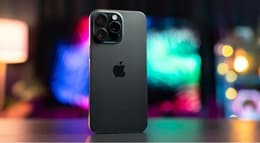
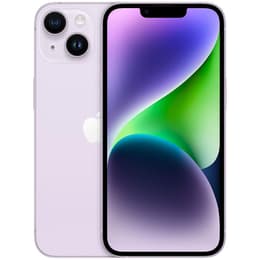
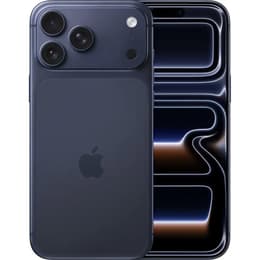
iPhone 14 vs iPhone 17 Pro Max
- 1-year warranty
- Free standard shipping
- Free 30-day returns
Differences at a glance
The iPhone 14 (2022) and the iPhone 17 Pro Max (2025) represent different eras and tiers within Apple's smartphone lineup, contrasting a standard foundational model with a later-generation large-format flagship. While both run on iOS and share an ecosystem interface, they differ significantly in design footprint, internal capabilities, and hardware complexity. Choosing between these devices depends on whether a user prioritizes a compact, straightforward everyday communicator or an expansive, high-performance multimedia tool.
Available Models
Colour
Storage
Scores
Durability
Durability expectations and software support timelines differ across these devices due to their release years and hardware tiering.
- Software timeline: The iPhone 17 Pro Max benefits from a later release year, positioning it to receive manufacturer software updates for a longer duration than the iPhone 14.
- Build resilience: Both devices feature robust water resistance and sturdy front glass protection, though newer iterations incorporate advanced material hardening for enhanced scratch resistance.
- Expected lifespan: Users can expect both models to maintain reliable operational status for years, with the newer hardware providing greater headroom for future software demands.
Release year
2022
2025
Compatible with latest Update
Yes
Yes
Operating system
iOS
iOS
Foldable
No
No
Performance
System responsiveness and everyday multitasking capabilities vary noticeably based on internal hardware generational gaps.
- App execution: The iPhone 17 Pro Max handles demanding applications, intensive graphics, and complex multitasking smoothly, while the iPhone 14 adequately manages standard daily tasks, messaging, and web browsing.
- Memory capacity: The iPhone 17 Pro Max includes a larger RAM allocation to support intensive background processes and advanced device intelligence features, compared to the baseline memory found on the iPhone 14.
- Battery behavior: The larger physical footprint of the iPhone 17 Pro Max houses a higher-capacity battery designed to sustain heavy daily usage profiles, whereas the iPhone 14 requires standard daily recharging under similar loads.
Screen quality
Visual experiences differ substantially in physical dimensions, brightness output, and motion fluidity between the two displays.
- Display technology: Both models utilize OLED panels for deep blacks and vibrant colors, but the iPhone 17 Pro Max incorporates an adaptive high refresh rate for smoother scrolling and motion.
- Outdoor visibility: The iPhone 17 Pro Max reaches significantly higher peak brightness levels for clear viewing under direct sunlight, while the iPhone 14 performs adequately in standard outdoor conditions.
- Screen size: The iPhone 17 Pro Max offers a much larger viewing area suited for media consumption and document editing, compared to the compact 6.1-inch display of the iPhone 14.
Audiovisual
Imaging and audio hardware capabilities diverge significantly, catering to casual photography versus advanced multimedia creation.
- Camera versatility: The iPhone 17 Pro Max features a triple-lens system with extended optical zoom capabilities, whereas the iPhone 14 relies on a dual-lens setup for standard wide and ultra-wide shots.
- Low-light performance: Advanced sensor hardware on the iPhone 17 Pro Max captures greater detail and color accuracy in dim environments than the older sensor architecture of the iPhone 14.
- Media consumption: Stereo speaker output and microphone clarity are robust on both, though the larger body of the iPhone 17 Pro Max delivers a more resonant acoustic profile for video playback.
Front camera
12 megapixels
18 megapixels
Miscellaneous
Physical handling and connectivity features present distinct practical trade-offs for daily portability.
- Physical footprint: The iPhone 14 is lighter and more compact for single-handed use, while the iPhone 17 Pro Max is noticeably heavier and larger to accommodate its expanded screen and battery.
- Connectivity standards: The iPhone 17 Pro Max supports newer wireless and cellular communication standards for faster data transmission compared to the iPhone 14.
- Port design: The iPhone 14 utilizes a traditional connector port, whereas the newer flagship adopts modern universal connection standards for wired accessories.
Weight
172 oz
233 oz
Screen size (in)
6,1
6.9
Network
5G
5G
SIM card
Physical SIM + eSIM
Physical SIM + eSIM
Carrier compatibility
Unlocked
Unlocked
Connector
Lightning
USB-C
What the community thinks
User feedback from online communities highlights distinct preferences for each device. Owners of the iPhone 14 frequently praise its lightweight handling, comfortable pocket size, and reliable performance for basic tasks, though some note that battery longevity and camera zoom options are limited compared to larger flagships. Conversely, users of the iPhone 17 Pro Max emphasize satisfaction with the expansive display, exceptional battery endurance, and versatile multi-lens camera system, while occasionally pointing out that the heavier weight and larger physical size require two-handed operation.
Users prioritizing pocket-friendly dimensions and straightforward daily communication will find the iPhone 14 well-suited to their needs, whereas individuals focusing on media creation, maximum screen space, and sustained heavy usage will lean toward the iPhone 17 Pro Max. For consumers exploring sustainable options, choosing a quality-assured refurbished option through platforms like Back Market provides an eco-friendly alternative that extends device life cycles. Ultimately, selecting the right model depends on matching physical scale and capability levels to individual daily routines.