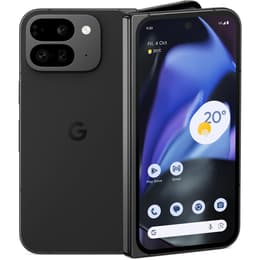
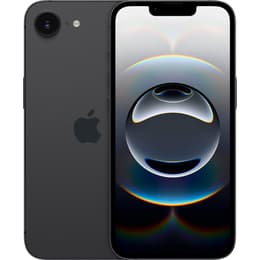

Google Pixel 9 Pro Fold vs iPhone 16e

Google Pixel 9 Pro Fold
See options
iPhone 16e
iPhone 16e
Starting at

Refurbished price:A$838.00

Versus A$999.00 new

See options

Ratings

The Google Pixel 9 Pro Fold, released in September 2024, and the iPhone 16E, launched in February 2025, represent distinct approaches to modern smartphone design and functionality. While the Pixel 9 Pro Fold offers a versatile foldable form factor running on Android, the iPhone 16E provides a traditional, streamlined smartphone experience powered by iOS. The primary differentiators lie in their physical design, display technology, and the ecosystems they operate within, catering to varied user preferences.

Scores

Durability

When considering the long-term usability of these devices, both the Pixel 9 Pro Fold and the iPhone 16E offer substantial software support and robust build qualities, though their form factors present different durability considerations.

  • Software Longevity: The Google Pixel 9 Pro Fold is designed for extended software support, with Google committing to seven years of operating system and security updates, ensuring it remains current until at least 2031. The iPhone 16E, while typically receiving updates for a slightly shorter period, is expected to receive at least five years of major iOS updates and ongoing security patches, maintaining its functionality and security for a considerable duration.
  • Physical Durability: The Pixel 9 Pro Fold features a sophisticated folding mechanism and utilizes Gorilla Glass Victus 2 on its cover screen and back, alongside an Ultra Thin Glass for the inner display, contributing to its resilience. It also carries an IPX8 water resistance rating. The iPhone 16E incorporates a Ceramic Shield front cover, known for its enhanced drop performance, and a glass back, with an IP68 rating for dust and water resistance, allowing submersion in up to six meters of water for 30 minutes.
  • Repairability: Foldable devices, like the Pixel 9 Pro Fold, generally present more intricate repair processes due to their complex hinge and dual-screen design. The iPhone 16E, with its more traditional slab design, is typically considered to have a more straightforward repair path, potentially leading to easier and more accessible servicing.

Release year

2024

2025

Operating system

Android

iOS

Foldable

Yes

No

Performance

Both devices are equipped with advanced processors designed to handle demanding tasks, but their architectural differences and RAM configurations influence their performance characteristics.

  • Processing Power: The Google Pixel 9 Pro Fold is powered by Google's Tensor G4 chip, which is engineered for efficient on-device artificial intelligence processing and smooth multitasking across its dual displays. This allows for responsive app loading and fluid transitions, particularly beneficial for managing multiple applications simultaneously. The iPhone 16E integrates Apple's A18 chip, known for its strong single-core and multi-core performance, providing a highly responsive user experience for everyday applications, gaming, and advanced computational tasks.
  • Multitasking and Memory: The Pixel 9 Pro Fold comes with 16GB of RAM, which supports extensive multitasking, allowing users to switch between numerous open applications and demanding workflows without significant slowdowns. The iPhone 16E features 8GB of RAM, which is optimized for iOS to provide efficient performance and smooth operation for most user scenarios, including running multiple apps and graphically intensive games.
  • Storage Options: The Pixel 9 Pro Fold offers storage configurations of 256GB and 512GB, providing ample space for applications, media, and documents. The iPhone 16E is available with 128GB, 256GB, and 512GB storage options, catering to different user needs for local data storage.

Memory (GB)

16 GB

8 GB

Screen quality

The display experience is a key differentiator, with the Pixel 9 Pro Fold offering a unique foldable design and the iPhone 16E providing a high-quality traditional screen.

  • Display Technology and Size: The Google Pixel 9 Pro Fold features two OLED displays: a 6.3-inch cover screen and an expansive 8.0-inch foldable inner screen when unfolded. Both are Actua displays, offering vibrant colors and deep blacks. The iPhone 16E sports a single 6.1-inch Super Retina XDR OLED display, providing excellent contrast and color accuracy.
  • Resolution and Clarity: The Pixel 9 Pro Fold's cover screen has a resolution of 1080 x 2424 pixels (422 PPI), while its main foldable screen offers 2076 x 2152 pixels (373 PPI), ensuring sharp visuals across both displays. The iPhone 16E's display has a resolution of 2532 x 1170 pixels (460 PPI), delivering crisp text and detailed images.
  • Brightness and Refresh Rate: Both devices offer high brightness levels, with the Pixel 9 Pro Fold's displays reaching up to 2700 nits peak brightness, and the iPhone 16E reaching 1200 nits peak HDR brightness, making them suitable for outdoor visibility. The Pixel 9 Pro Fold features variable refresh rates, with the cover screen ranging from 60-120Hz and the inner screen from 1-120Hz for smooth scrolling and adaptive power efficiency. The iPhone 16E maintains a standard 60Hz refresh rate.

Resolution

2076 x 2152

2532x1170

Audiovisual

Both smartphones offer capable camera systems, but they differ in their configurations and photographic strengths, catering to different user needs.

  • Rear Camera System: The Google Pixel 9 Pro Fold is equipped with a versatile triple-lens rear camera system, including a 48MP main sensor with optical image stabilization (OIS), a 10.5MP ultrawide lens that also functions for macro photography, and a 10.8MP telephoto lens capable of 5x optical zoom and 20x digital zoom with OIS. The iPhone 16E features a single 48MP main camera with OIS, which also offers a 2x optical-quality telephoto option through advanced computational photography.
  • Photography Performance: The Pixel 9 Pro Fold leverages Google's advanced computational photography for detailed images across various lighting conditions, including strong low-light performance. Its multiple lenses provide flexibility for wide-angle shots, zoomed-in subjects, and close-up macro photography. The iPhone 16E's single main camera excels in capturing high-resolution photos with accurate colors and good dynamic range in most everyday scenarios, benefiting from Apple's image processing.
  • Video Recording and Front Cameras: Both devices support video recording up to 4K resolution at 60 frames per second. For selfies and video calls, the Pixel 9 Pro Fold includes a 10MP camera on its cover screen and another 10MP camera on the foldable inner screen. The iPhone 16E features a 12MP TrueDepth front camera, which also enables Face ID.

Front camera

10 megapixels

TrueDepth 12MP

Miscellaneous

Beyond the core features, several practical elements contribute to the overall user experience and handling of each device, from connectivity to physical design.

  • Connectivity and Ports: Both the Pixel 9 Pro Fold and the iPhone 16E support 5G connectivity for fast mobile data. The Pixel 9 Pro Fold includes Wi-Fi and Bluetooth, along with a USB-C port for charging and data transfer. The iPhone 16E features Wi-Fi 6 and Bluetooth 5.3, and has transitioned to a USB-C port, aligning with broader industry standards.
  • Biometric Security: The Pixel 9 Pro Fold offers both a fingerprint sensor and face unlock for secure authentication and convenient access. The iPhone 16E relies on Face ID, Apple's facial recognition system, for secure unlocking and payments.
  • Design and Handling: The Pixel 9 Pro Fold, with its foldable design, measures 155.2 x 77.1 x 10.5mm when folded and weighs 257g, offering a compact smartphone experience that unfolds into a larger tablet-like display. The iPhone 16E is a more traditional slab phone, measuring 146.7 × 71.5 × 7.8 mm and weighing 167g, making it a lighter and more compact device for one-handed use.

Weight

257 oz

167 oz

Screen size (in)

8.0

6.1

Network

5G

5G

SIM card

Physical SIM + eSIM

Physical SIM + eSIM

Carrier compatibility

Unlocked

Unlocked

User sentiment for the Google Pixel 9 Pro Fold often highlights its innovative foldable design and the utility of having a large screen in a portable form factor. Users appreciate the enhanced multitasking capabilities and the immersive experience for media consumption and productivity that the larger display provides. Common praise points include its powerful processor for AI features and the versatility of its camera system. Some users, however, note the inherent thickness and weight of foldable devices compared to traditional smartphones, and the visible crease on the inner display is a frequent point of discussion.

The iPhone 16E is generally praised for bringing a modern iPhone experience, including a full-screen OLED display and Face ID, to a more accessible form factor. Users value its robust performance, reliable camera, and the long-term software support characteristic of Apple devices. Its compact size and lighter weight are often cited as advantages for users preferring a device that is easy to handle and carry. Criticisms sometimes revolve around its 60Hz display refresh rate, which is lower than many contemporary smartphones, and the single rear camera setup, which offers less versatility than multi-lens systems.

Users prioritizing a large, adaptable screen for productivity, media, and a cutting-edge Android experience may find the Google Pixel 9 Pro Fold well-suited to their needs. Its advanced camera system and extensive software support also appeal to those seeking a feature-rich device. Conversely, users who prefer a more traditional, compact, and lightweight smartphone with a focus on consistent performance, a streamlined user interface, and strong ecosystem integration will likely lean towards the iPhone 16E. Both devices offer quality-assured refurbished options, providing an eco-friendly alternative for consumers looking to make informed and sustainable choices.


See all articles

Our recent comparisons