
iPhone
Compare models
Differences at a glance
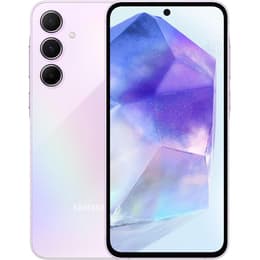
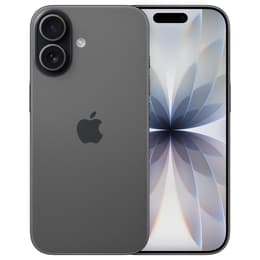
The Samsung Galaxy A55 (2024) and the Apple iPhone 17 (2025) represent two distinct approaches to contemporary smartphone design, operating systems, and target ecosystems. While the Samsung Galaxy A55 runs on the Android operating system with custom interface layers, the iPhone 17 operates on Apple's proprietary iOS. Both devices cater to users seeking dependable daily communication, yet they diverge significantly in software philosophy, physical construction, and multimedia execution.
Colour
Storage
Device longevity and software support frameworks differ between these models based on their release schedules and manufacturer policies. Users exploring a quality-assured refurbished option will find both platforms designed to sustain multi-year ownership cycles.
Release year
Operating system
Foldable
Handling daily operations, multitasking, and mobile applications involves distinct hardware architectures across these two smartphones. Choosing a sustainable choice through professional refurbishment does not compromise the underlying processing efficiency of either platform.
Visual output relies on advanced display technologies designed to deliver sharp text, accurate colors, and fluid motion during everyday viewing. Each device implements distinct panel specifications to optimize media consumption and outdoor visibility.
Capturing photos, recording video, and handling audio output involve tailored hardware and software pipelines on each smartphone. Users will notice distinct characteristics in low-light photography, video stabilization, and internal speaker output.
Physical dimensions, connectivity standards, and daily handling characteristics define the ergonomic profile of each device. Subtle differences in weight, port architecture, and material choices influence how each smartphone feels during regular day-to-day use.
Weight
Screen size (in)
Network
SIM card
Carrier compatibility
Community discussions and user feedback indicate that both the Samsung Galaxy A55 and the iPhone 17 receive consistent praise for reliable daily battery performance, bright and fluid displays, and dependable build quality. Common considerations often revolve around platform preference, as users weigh the customization options of the Android ecosystem against the streamlined integration found within iOS.
Users prioritizing deep integration with Apple services and advanced video capture tools may prefer the iPhone 17, while users favoring expandable storage flexibility or the Android environment may lean toward the Galaxy A55. Evaluating personal software preferences and preferred accessory ecosystems serves as the primary decision factor when selecting between these two capable devices. Exploring a certified refurbished model through Back Market provides an eco-friendly path to acquiring either device with verified quality assurance.