Compare models

Galaxy A35 vs iPhone Air

  • 1-year warranty
  • Free standard shipping
  • Free 30-day returns
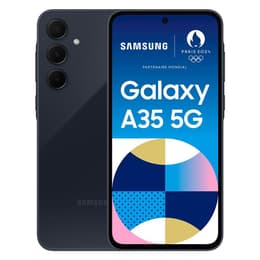
Galaxy A35
Starting at

Refurbished price:A$295.00

Versus A$711.00 new

See options
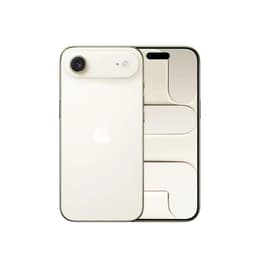
iPhone Air
Starting at

Refurbished price:A$1,099.00

Versus A$1,899.00 new

See options

Differences at a glance

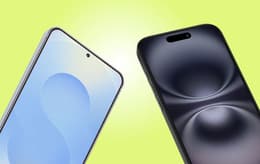
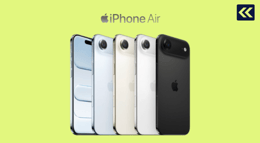
The Samsung Galaxy A35 (2024) and the Apple iPhone Air (2025) are distinct smartphones representing different tiers, design philosophies, and operating systems within the mobile market. While the Galaxy A35 delivers everyday utility through an Android platform, the iPhone Air focuses on an ultra-slim profile and a streamlined iOS environment. These devices cater to fundamentally different user preferences regarding daily hardware styling and software ecosystems.

Available Models

Colour

Storage

Scores

Durability

Evaluating the longevity and durability of both smartphones reveals notable differences in their release timelines, software maintenance schedules, and physical resilience standards.

  • Software Support and Lifespan: The iPhone Air benefits from Apple's extended update cycles, ensuring multi-year operating system upgrades, whereas the Galaxy A35 follows a structured mid-range update schedule typical for Android devices.
  • Build Resilience: The Galaxy A35 features glass protection and an IP67 dust and water resistance rating, while the iPhone Air utilizes a titanium frame paired with advanced scratch-resistant glass and an IP68 water resistance rating for enhanced deep-water protection.
  • Repairability: Both manufacturers provide structured repair frameworks through official and independent channels, helping users maintain device functionality over years of routine use.

Release year

2024

2025

Compatible with latest Update

Yes

Yes

Operating system

Android

iOS

Foldable

No

No

Performance

Underneath the surface, daily operation, multitasking efficiency, and power consumption behave differently based on the underlying hardware capacity and battery design of each device.

  • System Responsiveness: Both smartphones handle everyday multitasking, web browsing, and common applications smoothly, though high-demand gaming and intensive graphics tasks run with greater headroom on the iPhone Air thanks to its advanced processing architecture.
  • Battery Behavior: The Galaxy A35 relies on a high-capacity cell that easily carries typical users through a full day of mixed use, whereas the slim profile of the iPhone Air houses a smaller physical battery, resulting in different power management dynamics for heavy users.
  • Storage Configurations: Users can select from various internal storage capacities, with both devices offering ample space for applications, photos, and media files.

Screen quality

Viewing experiences on these displays emphasize brightness, clarity, and motion fluidity tailored for media consumption and outdoor readability.

  • Display Technology: Both models utilize vibrant OLED panels that deliver deep contrast levels, rich colors, and sharp text rendering for daily reading and video streaming.
  • Refresh Rate and Motion: Each device supports a smooth 120Hz refresh rate, ensuring fluid scrolling through web pages, menus, and compatible applications.
  • Outdoor Brightness: The iPhone Air achieves higher peak outdoor luminance levels, while the Galaxy A35 provides reliable visibility under bright sunlight through its balanced panel calibration.

Resolution

1080 x 2340

2736x1260

Screen type

Super AMOLED

Super Retina XDR

Audiovisual

Multimedia capture and audio output capabilities diverge significantly due to contrasting hardware choices in lens arrangements and speaker configuration.

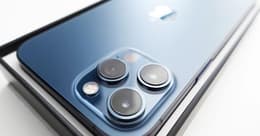
  • Camera Systems: The Galaxy A35 employs a versatile triple-lens rear setup featuring wide, ultra-wide, and macro options, whereas the iPhone Air streamlines photography into a single high-resolution primary lens supported by advanced computational imaging.
  • Video and Low-Light: Both models capture crisp 4K video and detailed images in daylight, with the iPhone Air providing enhanced low-light clarity and stabilization through modern processing algorithms.
  • Audio Delivery: The Galaxy A35 features stereo speakers for balanced media playback, while the iPhone Air utilizes a streamlined mono speaker arrangement integrated into its compact chassis.

Main camera

50 megapixels

48 megapixels

Front camera

13 megapixels

18 megapixels

Miscellaneous

Practical physical traits, connectivity options, and security features round out the everyday handling experience of each smartphone.

  • Design and Handling: The Galaxy A35 offers a traditional, slightly heavier build at 209 grams, while the iPhone Air prioritizes a remarkably lightweight footprint of 165 grams and an exceptionally thin profile.
  • Connectivity Standards: Both devices support rapid 5G network speeds, modern Wi-Fi protocols, and Bluetooth connectivity for accessory pairing.
  • Security Protocols: The Galaxy A35 utilizes an in-display fingerprint sensor, whereas the iPhone Air relies on facial recognition technology for secure authentication.

Weight

209 oz

165 oz

Screen size (in)

6.6

6.5

Network

5G

5G

SIM card

Dual Physical SIM

eSIM

Carrier compatibility

Unlocked

Unlocked

Connector

USB-C

USB-C

What the community thinks

Choosing between the Samsung Galaxy A35 and the Apple iPhone Air depends primarily on your preferred operating system and physical design priorities. Users who prefer a traditional, robust build with expandable storage options and a reliable multi-lens camera system often find the Galaxy A35 well-suited to their daily routines. Conversely, individuals who favor an ultra-lightweight titanium profile, advanced processing capabilities, and the iOS ecosystem will naturally lean toward the iPhone Air. For those exploring sustainable purchasing habits, choosing a quality-assured refurbished option provides an eco-friendly alternative that reduces electronic waste while delivering fully tested hardware performance.