Compare models
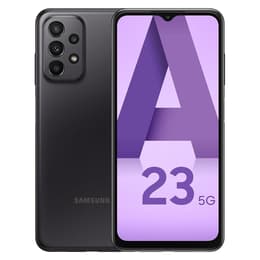
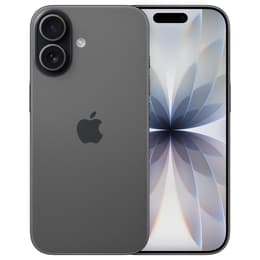
Galaxy A23 5G vs iPhone 17
- 1-year warranty
- Free standard shipping
- Free 30-day returns
Differences at a glance
The Samsung Galaxy A23 5G (2022) and the Apple iPhone 17 (2025) belong to different generations and product classes of mobile devices. While the Galaxy A23 5G focuses on providing core connectivity features on the Android operating system, the iPhone 17 represents a modern flagship alternative running iOS. These two smartphones cater to distinct user expectations regarding software ecosystems, hardware capability, and release timelines.
Available Models
Colour
Storage
Scores
Durability
Device longevity and software support timelines differ significantly due to the release year gap between these two models.
- Software updates: The iPhone 17 benefits from a much newer release date and a longer remaining window of major operating system upgrades, whereas the Galaxy A23 5G occupies an older software support cycle.
- Build and repair: Both devices utilize standard structural designs, though repair availability and component longevity favor newer manufacturing standards.
- Expected lifespan: Users looking for multi-year software relevance will find the more recent hardware architecture better suited to long-term daily deployment.
Release year
2022
2025
Compatible with latest Update
Yes
Yes
Operating system
Android
iOS
Foldable
No
No
Performance
Handling daily tasks, app transitions, and background processes depends on the internal system architecture and memory configuration of each device.
- System responsiveness: The iPhone 17 executes demanding tasks and complex applications with high fluidity, while the Galaxy A23 5G handles standard messaging, web browsing, and casual tasks adequately.
- Multitasking: Generous memory allocation on the iPhone 17 allows smooth switching between heavy background tools, whereas the Galaxy A23 5G manages everyday multitasking for standard applications.
- Battery behavior: The Galaxy A23 5G relies on a large capacity cell to comfortably clear a full day of mixed use, while the iPhone 17 balances battery conservation with advanced power efficiency features.
Screen quality
Visual output and display technologies shape the media consumption and outdoor viewing experience on both smartphones.
- Display panel: The iPhone 17 features an advanced OLED screen delivering deep contrast levels and adaptive refresh rates, while the Galaxy A23 5G utilizes an LCD panel.
- Outdoor brightness: High peak luminance on the iPhone 17 ensures clear legibility under direct sunlight, whereas the Galaxy A23 5G requires manual shade adjustment in bright environments.
- Motion smoothness: Both models support elevated refresh rates for fluid scrolling through menus and web pages, contributing to a responsive visual feel.
Audiovisual
Photography features, video recording tools, and audio output options vary notably between these two form factors.
- Camera systems: The iPhone 17 employs high-resolution multi-lens photography hardware capable of detailed low-light captures, while the Galaxy A23 5G provides a functional multi-lens setup for standard snapshots.
- Video and audio: Video recording on the iPhone 17 includes advanced stabilization and high-fidelity microphone capture, complemented by balanced stereo speakers for media playback.
- Everyday utility: Casual users will find basic documentation needs met by both devices, while content creators benefit from the extensive processing capabilities of the newer Apple hardware.
Front camera
8 megapixels
18 megapixels
Miscellaneous
Physical dimensions, connectivity standards, and daily handling practicalities define the physical experience of using each device.
- Connectivity: Both models support 5G cellular networks, though the iPhone 17 incorporates newer wireless standards and modern USB port protocols.
- Security sensors: Biometric authentication differs through Apple's facial recognition system versus Android-based fingerprint sensing options.
- Handling: Weight distribution and physical dimensions dictate pocketability, with the Galaxy A23 5G offering a slightly heavier build compared to the lighter frame of the iPhone 17.
Weight
197 oz
177 oz
Screen size (in)
6.6
6.3
Network
5G
5G
SIM card
Physical SIM
Physical SIM + eSIM
Carrier compatibility
Unlocked
Unlocked
What the community thinks
Community discussions and user feedback highlight distinct patterns for each device. Users frequently praise the Galaxy A23 5G for providing essential connectivity and reliable battery longevity in a straightforward package. Conversely, owners of the iPhone 17 often emphasize the fluidity of the display, robust camera versatility, and long-term system responsiveness. Common criticisms for the older Samsung model focus on performance limitations during heavy workloads, while discussions around the iPhone center on its position within a closed software ecosystem.
Users prioritizing extended software longevity, advanced display properties, and high-end processing will find the iPhone 17 well-suited to their requirements. Meanwhile, users seeking a functional daily device centered around basic communication and straightforward utility may lean toward the Galaxy A23 5G. Exploring a quality-assured refurbished option provides an eco-friendly alternative that extends device life cycles and supports sustainable purchasing habits without compromising on performance standards.