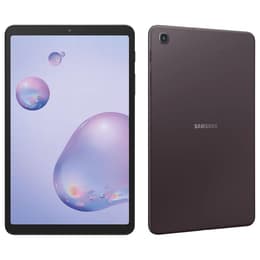
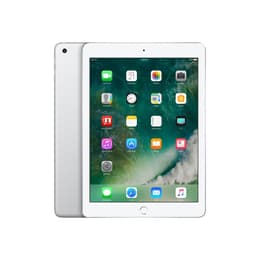

Galaxy Tab A (8.4", 2020) vs iPad 6 (2018, A10 series)

Galaxy Tab A (8.4", 2020)
See options
iPad 6 (2018, A10 series)
Starting at

Refurbished price:A$143.00

Versus A$439.00 new

See options

Ratings

The Samsung Galaxy Tab A 8.4 (2020) and the Apple iPad (6th generation) 2018 are two tablets designed for everyday use, offering distinct operating system experiences. Released in March 2020, the Galaxy Tab A 8.4 operates on Android, while the iPad (6th generation), launched in March 2018, runs on Apple's iPadOS. Key differences lie in their display technology, processor architecture, and ecosystem integration, catering to varied user preferences.

Scores

Durability

When considering the longevity of these tablets, their release dates and subsequent software support are primary factors. The iPad (6th generation) was released in March 2018, making it an older device compared to the Galaxy Tab A 8.4 (2020), which launched in March 2020.

  • Software Updates: The iPad (6th generation) shipped with iOS 11.3 and is upgradable to iPadOS 17.x, with user reports indicating performance degradation on the latest supported versions. The Galaxy Tab A 8.4 (2020) launched with Android 9 and was upgradable to Android 10 or 11, offering a slightly newer software starting point.
  • Repairability: The iPad (6th generation) received a low repairability score of 2 out of 10 from iFixit, primarily due to extensive use of adhesive and a non-replaceable charging port, though its digitizer panel can be separated for easier screen replacement. Specific repairability scores for the Galaxy Tab A 8.4 (2020) are not widely available, but Android tablets generally present similar challenges due to construction methods.
  • Practical Lifespan: Users of the iPad (6th generation) report that while it remains functional for basic tasks, it can become sluggish with newer iPadOS versions and demanding applications. The Galaxy Tab A 8.4, being newer, may offer a slightly longer period of optimal performance for its operating system, though some reviews noted sluggishness in its UI even at launch.

Release year

2020

2018

Compatible with latest Update

No

No

Operating system

Android

iPadOS

Performance

The performance of these tablets is influenced by their internal components and how their respective operating systems manage resources. Both devices are designed for general use, but their capabilities diverge when handling more intensive tasks.

  • Processing Power: The iPad (6th generation) features a processor that provides responsive performance for everyday applications and light multitasking. The Galaxy Tab A 8.4 (2020) is equipped with an octa-core processor, which handles typical browsing and media consumption adequately, though some users have noted occasional sluggishness in the user interface.
  • Multitasking and Responsiveness: The iPad, with its operating system, generally offers a smooth experience for switching between applications, though its 2GB of RAM can limit the number of active applications before background processes are closed. The Galaxy Tab A 8.4 includes 3GB of RAM, which can support a moderate level of multitasking, but its overall system responsiveness has been described as less fluid than some competitors.
  • Battery Behavior: The iPad (6th generation) has a larger battery capacity, providing up to 10 hours of web browsing or video playback on a single charge. The Galaxy Tab A 8.4 (2020) features a 5000 mAh battery, with Samsung claiming over 10 hours of use, and independent tests showing around 6.5 hours of video rundown time at maximum brightness, extending to about 10 hours at medium brightness.

Memory (GB)

3 GB

2 GB

Screen quality

The visual experience on these tablets is shaped by their display technology, resolution, and overall screen characteristics. Both offer clear visuals suitable for media consumption and general tasks, but with different underlying technologies.

  • Display Technology and Clarity: The iPad (6th generation) features a 9.7-inch LED-backlit IPS Retina display with a resolution of 2048 x 1536 pixels, resulting in a pixel density of 264 ppi. This provides sharp text and vibrant colors. The Galaxy Tab A 8.4 (2020) has an 8.4-inch TFT LCD screen with a resolution of 1920 x 1200 pixels, offering a clear picture, though TFT LCDs typically have less vibrant colors and narrower viewing angles compared to IPS panels.
  • Brightness and Outdoor Use: The iPad's display offers good brightness levels, making it suitable for various indoor lighting conditions. The Galaxy Tab A 8.4's screen is described as bright and sharp, contributing to a good viewing experience for media.
  • Screen Size and Viewing Experience: The iPad's larger 9.7-inch display provides a more expansive canvas for productivity and media. The Galaxy Tab A 8.4, with its 8.4-inch screen, offers a more compact form factor, which some users may find more portable and comfortable for one-handed use. The iPad's display is not fully laminated and lacks an anti-reflective coating, which can affect outdoor visibility and glare.

Resolution

1200 x 1920

2048 x 1536

Screen type

TFT LCD

Retina display

Pixel density

270ppp

264ppp

Audiovisual

The camera systems on these tablets are generally designed for casual photography, video calls, and document scanning rather than high-end image capture. Their capabilities reflect their primary use cases.

  • Rear Camera Performance: Both the iPad (6th generation) and the Galaxy Tab A 8.4 (2020) are equipped with an 8-megapixel rear camera. The iPad's rear camera includes autofocus and an f/2.4 aperture, capable of capturing stills and 1080p video at 30 frames per second. The Galaxy Tab A 8.4's 8MP rear camera also features autofocus and records FHD (1920 x 1080) video at 30fps, with reviews noting it performs adequately in good lighting but struggles indoors.
  • Front Camera and Video Calls: For video conferencing and selfies, the Galaxy Tab A 8.4 has a 5-megapixel front-facing camera, which is considered decent for its purpose and handles mixed lighting situations well. The iPad (6th generation) features a 1.2-megapixel FaceTime HD front camera, suitable for basic video calls.
  • Audio Output: The iPad (6th generation) includes stereo speakers, providing a balanced audio experience for media consumption. The Galaxy Tab A 8.4 has bottom-ported dual speakers, which some reviews have described as "poor" and "tinny," suggesting a better audio experience with headphones.

Miscellaneous

Beyond core performance and display, several practical features and design elements differentiate these two tablets, impacting their daily usability and connectivity.

  • Connectivity and Ports: The Galaxy Tab A 8.4 (2020) features a USB Type-C 2.1 port for charging and data transfer, along with Wi-Fi 802.11 a/b/g/n/ac (dual-band) and Bluetooth 5.0. It also offers optional LTE connectivity. The iPad (6th generation) uses Apple's proprietary Lightning port and supports Wi-Fi 802.11 a/b/g/n/ac (dual-band with MIMO) and Bluetooth 4.2, with an optional cellular model available. Both include a 3.5mm headphone jack.
  • Biometric Security and Sensors: The iPad (6th generation) incorporates Touch ID for secure fingerprint authentication, along with an accelerometer, gyroscope, barometer, and ambient light sensor. The Galaxy Tab A 8.4 includes an accelerometer and offers facial recognition, though it is optical and less secure than advanced biometric methods.
  • Design and Handling: The Galaxy Tab A 8.4 is lighter at 309 grams and has a compact design, making it highly portable. The iPad (6th generation) weighs between 469g (Wi-Fi) and 478g (LTE), offering a larger screen but a heavier build. The iPad also supports the first-generation Apple Pencil, enhancing its utility for note-taking and creative tasks.

Weight

309 oz

469 oz

Screen size (in)

8.4

9.7

Network

Wi-Fi

Wi-Fi

Carrier compatibility

Without SIM Port

Without SIM Port

The Samsung Galaxy Tab A 8.4 (2020) and the iPad (6th generation) 2018 cater to users with different priorities and ecosystem preferences. User sentiment for the iPad (6th generation) often highlights its robust app ecosystem, consistent performance for general tasks, and the added value of Apple Pencil support for students and creative users. However, common criticisms include its aging processor, limited RAM impacting multitasking on newer iPadOS versions, and a low repairability score.

For the Galaxy Tab A 8.4 (2020), users appreciate its compact size, expandable storage, and the flexibility of the Android operating system. Some reviews, however, point to occasional UI sluggishness, less impressive audio quality, and sometimes inconsistent Wi-Fi performance as areas for improvement. Both tablets offer a solid foundation for media consumption, web browsing, and light productivity.

Users prioritizing a larger screen, a more established app ecosystem, and stylus support may find the iPad (6th generation) well-suited to their needs, especially if they are already integrated into the Apple ecosystem. Conversely, those who prefer a more compact device, expandable storage, and the open nature of Android may lean towards the Galaxy Tab A 8.4 (2020). Both models are available as quality-assured refurbished options, providing an eco-friendly alternative for consumers seeking reliable performance without purchasing new.

See all articles

Our recent comparisons