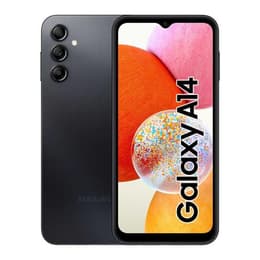

Galaxy A14 vs iPhone 16 Plus

Galaxy A14
Galaxy A14
Starting at

Refurbished price:A$215.00

Versus A$390.00 new

See options
iPhone 16 Plus
iPhone 16 Plus
Starting at

Refurbished price:A$918.00

Versus A$1,599.00 new

See options

Ratings

The Samsung Galaxy A14, released in January 2023, and the iPhone 16 Plus, launched in September 2024, represent distinct approaches to smartphone design and functionality. While the Galaxy A14 offers a comprehensive Android experience with a focus on core features, the iPhone 16 Plus provides a premium iOS ecosystem with advanced processing capabilities and camera technology. These devices cater to different user preferences, primarily differing in their operating systems, performance tiers, and display technologies.

Scores

Durability

When considering the practical lifespan of these devices, several factors come into play, including their release timelines, software support, and repairability.

  • Release Timeline: The Galaxy A14 was introduced in early 2023, making it an older model compared to the iPhone 16 Plus, which debuted in late 2024. This difference in release dates inherently impacts their respective software support cycles.
  • Software Longevity: The Galaxy A14 typically receives two major Android OS upgrades, reaching Android 15, and four years of security updates, extending until early 2027. [10, 11, 12, 38] In contrast, the iPhone 16 Plus, running iOS 18 at launch, is expected to receive software updates for approximately six to seven years. [7, 19, 43, 45] This extended support means the iPhone 16 Plus will remain current with the latest features and security patches for a longer duration.
  • Repairability: The Galaxy A14 has a repairability score of 8 out of 10, indicating a design that facilitates easier repairs, particularly for battery replacement due to adhesive pull tabs. [6, 15, 29, 39] The iPhone 16 Plus also shows significant improvements in repairability, achieving a score of 7 out of 10, with easier battery access and a more modular internal design compared to previous iPhone generations. [18, 27, 28, 30, 32]

Performance

The performance of a smartphone is crucial for daily tasks, multitasking, and demanding applications. These two devices offer different levels of processing power and storage configurations.

  • Storage Options: The Galaxy A14 is available with 64GB or 128GB of internal storage, with the added flexibility of expanding storage up to 1TB using a microSD card. [3, 8, 12, 14, 25] The iPhone 16 Plus offers larger internal storage options, starting at 128GB and going up to 512GB, but without expandable storage. [1, 5, 7, 13, 19, 24]
  • Processing Capabilities: The Galaxy A14 is powered by a mid-range processor, which handles everyday tasks and lighter applications smoothly. However, users may experience stuttering or slower loading times with more demanding apps or graphically intensive games. [20, 22, 33, 34] The iPhone 16 Plus features a current-generation Bionic chip, optimized for advanced tasks and generative artificial intelligence. This results in significantly faster CPU and GPU performance, providing a smoother experience for heavy multitasking, complex applications, and high-fidelity gaming. [5, 19]
  • Battery Behavior: The Galaxy A14 is equipped with a 5000mAh battery, capable of lasting through a full day of moderate use and potentially up to two days with lighter usage patterns. [3, 4, 8, 12, 16, 21, 33] The iPhone 16 Plus, with its 4674 mAh battery, also delivers excellent battery life, with reported usage times exceeding 21 hours in testing. [2, 7, 19] Both devices support fast charging, though the Galaxy A14's 15W charging is slower than the iPhone 16 Plus's capability to reach 50% charge in approximately 30 minutes with a compatible adapter. [12, 33, 35]

Memory (GB)

4 GB

8 GB

Screen quality

The visual experience is a key differentiator, with both devices offering distinct display technologies and characteristics.

  • Display Technology: The Galaxy A14 features a 6.6-inch PLS LCD display. [3, 4, 8, 12, 21] The iPhone 16 Plus, on the other hand, utilizes a 6.7-inch Super Retina XDR OLED display. [1, 2, 7, 13, 19, 24] OLED technology typically provides deeper blacks, higher contrast, and more vibrant colors compared to LCD panels.
  • Resolution and Clarity: Both phones offer Full HD+ resolution, with the Galaxy A14 at 1080x2408 pixels and the iPhone 16 Plus at 2796x1290 pixels, resulting in sharp and clear visuals for typical viewing distances. [3, 4, 7, 8, 19, 24]
  • Brightness and Refresh Rate: The iPhone 16 Plus offers higher peak brightness levels, making it more suitable for outdoor visibility. [24] The Galaxy A14 5G model features a 90Hz refresh rate, providing a smoother scrolling experience than a standard 60Hz display. [3, 8, 12, 21] The iPhone 16 Plus maintains a 60Hz refresh rate, which some users accustomed to higher refresh rates might notice. [19, 41]

Audiovisual

Photography and videography capabilities are important for many users, and these devices offer different camera systems.

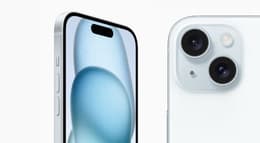
  • Rear Camera System: The Galaxy A14 includes a triple camera setup with a 50MP main sensor, complemented by 2MP depth and 2MP macro lenses. [3, 8, 12, 16] The iPhone 16 Plus features an advanced dual-camera system, comprising a 48MP Fusion main camera with sensor-shift optical image stabilization and a 12MP ultra-wide lens. [1, 7, 19, 35] The iPhone's main camera can also achieve 2x telephoto zoom through sensor cropping. [35]
  • Photography Performance: The iPhone 16 Plus's camera system, with its larger sensor and advanced image processing, generally delivers more detailed images with better low-light performance and dynamic range. The Galaxy A14's camera is suitable for everyday snapshots, though some users have noted unbalanced or oversaturated colors. [25]
  • Video Recording: The Galaxy A14 is limited to 1080p at 30 frames per second for video recording from both front and rear cameras. [33] The iPhone 16 Plus supports advanced video features, including spatial video capture, offering higher quality and more versatile video recording options. [7]
  • Audio Experience: The Galaxy A14 has received criticism for its audio quality during video recordings and low output from its 3.5mm headphone jack. [20] The iPhone 16 Plus provides a more refined audio experience for media consumption and calls.

Miscellaneous

Beyond core features, several practical elements contribute to the overall user experience.

  • Connectivity: Both devices support 5G connectivity. The Galaxy A14 supports Wi-Fi 5 and Bluetooth 5.1 (or 5.3 for 5G model), while the iPhone 16 Plus features the newer Wi-Fi 7 and Bluetooth 5.3 standards, offering potentially faster and more stable wireless connections. [3, 7, 8, 9, 12, 19, 35]
  • Ports and Sensors: The Galaxy A14 includes a USB-C port and retains a 3.5mm headphone jack, along with a side-mounted fingerprint sensor. [3, 12] The iPhone 16 Plus has transitioned to a USB-C port and relies on Face ID for biometric authentication. [1, 35] It also incorporates an Action Button and a dedicated Camera Control button for quick access to functions. [5, 7, 13, 19, 24]
  • Build and Handling: The Galaxy A14 features a plastic back and frame, weighing around 202 grams. [8, 12, 25] The iPhone 16 Plus has an aluminum design with a Ceramic Shield front and color-infused glass back, offering IP68 water resistance and weighing 199 grams. [7, 35] The iPhone's build materials generally provide a more robust feel.

Screen size (in)

6.6

6.7

Network

4G

5G

SIM card

Physical SIM

Physical SIM + eSIM

Carrier compatibility

Unlocked

Unlocked

The Samsung Galaxy A14 and iPhone 16 Plus cater to different segments of the smartphone market, each with distinct strengths and user profiles.

Users frequently praise the Galaxy A14 for its long battery life and the inclusion of expandable storage via microSD, which is a significant advantage for those who need ample space for media and apps. [12, 25, 33] However, common criticisms include occasional performance stuttering, particularly with demanding applications, and some reported issues with audio quality and GPS signal stability. [20, 22, 26, 33, 34]

The iPhone 16 Plus is often lauded for its powerful processing capabilities, vibrant OLED display, and advanced camera system, which delivers high-quality photos and videos. [1, 5, 19, 24] Its extended software support and improved repairability are also notable advantages. [18, 27, 28, 30, 32, 43] Some users have noted the 60Hz refresh rate as a point of concern, and there have been initial reports of software bugs and overheating, though many software issues are typically addressed through updates. [19, 31, 37, 41, 42]

Users prioritizing a device with a long-lasting battery, expandable storage, and a traditional headphone jack may find the Galaxy A14 well-suited to their needs. It offers a solid Android experience for everyday communication and media consumption. Conversely, users who value top-tier performance, a premium display, advanced camera features, and a longer software support lifespan will likely lean towards the iPhone 16 Plus. It is particularly appealing for those deeply integrated into the Apple ecosystem or seeking a device capable of handling the most intensive mobile tasks.

For those considering either device, exploring quality-assured refurbished options can provide an eco-friendly alternative, offering access to these technologies while supporting sustainable consumption practices.
See all articles

Our recent comparisons