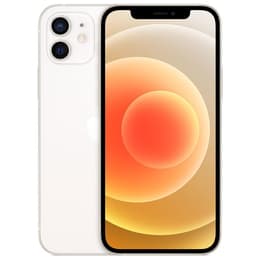
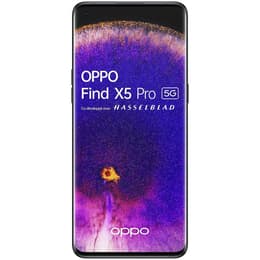

iPhone 12 vs Oppo Find X5 Pro 5G

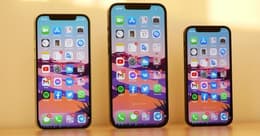
iPhone 12
iPhone 12
Starting at

Refurbished price:A$303.00

Versus A$1,129.00 new

See options
Oppo Find X5 Pro 5G
Oppo Find X5 Pro 5G
Starting at

Refurbished price:A$461.00

Versus A$2,708.00 new

See options

The iPhone 12 and the Oppo Find X5 Pro 5G are distinct smartphones from different ecosystems, released in October 2020 and March 2022, respectively. While both offer premium experiences, they cater to varying user preferences through their operating systems, design philosophies, and feature sets. The iPhone 12 operates on Apple's iOS, known for its integrated ecosystem, whereas the Oppo Find X5 Pro 5G runs on Android with Oppo's ColorOS, offering more customization. Key differentiators include their release timelines, display technologies, and camera system approaches.

Scores

Durability

The practical lifespan of a smartphone is significantly influenced by its release date and the manufacturer's software support policy.

  • Release Timeline: The iPhone 12, released in October 2020, is an older model compared to the Oppo Find X5 Pro 5G, which launched in March 2022. This two-year difference impacts their remaining software support and overall longevity.
  • Software Support: Apple typically provides major iOS updates for approximately five to seven years from a device's release, meaning the iPhone 12 is expected to receive updates until around 2027-2030. The Oppo Find X5 Pro 5G, as an older flagship, is expected to receive three major Android upgrades and four years of security patches.
  • Physical Durability: Both devices feature robust builds. The iPhone 12 incorporates a Ceramic Shield front cover and an aluminum frame, alongside IP68 water and dust resistance. The Oppo Find X5 Pro 5G uses Gorilla Glass Victus on the front and a ceramic back, also boasting an IP68 rating for water and dust resistance. Repairability scores for the iPhone 12 have been noted around 6 out of 10 by iFixit, indicating that many components are replaceable.

Release year

2020

2022

Operating system

iOS

Android

Foldable

No

No

Performance

Performance is a crucial aspect for daily usage, encompassing processing power, multitasking capabilities, and battery endurance.

  • Processing Power: The iPhone 12 is equipped with a capable processor that handles everyday applications and moderate gaming smoothly. The Oppo Find X5 Pro 5G features a newer, more powerful processor, providing enhanced performance for demanding applications, intensive gaming, and complex multitasking.
  • Multitasking and Storage: The iPhone 12 typically comes with 4GB of RAM and storage options up to 256GB. The Oppo Find X5 Pro 5G offers more substantial RAM configurations, often 8GB or 12GB, paired with larger storage options starting from 256GB, which contributes to smoother transitions between multiple open applications and more storage for media and files.
  • Battery Behavior: The iPhone 12's battery life is generally considered average, with usage on 5G networks potentially leading to more frequent charging. The Oppo Find X5 Pro 5G, with its larger battery capacity, typically offers a full day of use for many users and supports very fast wired and wireless charging, allowing for quick power replenishment.

Memory (GB)

4 GB

12 GB

Screen quality

The visual experience is largely defined by the display's technology, size, and clarity, impacting everything from media consumption to daily interactions.

  • Display Technology and Size: The iPhone 12 features a 6.1-inch Super Retina XDR OLED display, offering deep blacks and vibrant colors. The Oppo Find X5 Pro 5G boasts a larger 6.7-inch AMOLED display, providing an expansive viewing area.
  • Resolution and Clarity: Both devices offer high-resolution screens, with the iPhone 12 at 2532 x 1170 pixels and the Oppo Find X5 Pro 5G at 3216 x 1440 pixels. The Oppo's higher resolution on a larger screen results in a slightly higher pixel density, contributing to sharp image and text rendering.
  • Brightness and Refresh Rate: The iPhone 12 has a typical brightness of 625 nits, with higher peak brightness for HDR content. The Oppo Find X5 Pro 5G can reach up to 1300 nits peak brightness, which enhances visibility in bright outdoor conditions. Furthermore, the Oppo features an adaptive refresh rate of up to 120Hz, providing a smoother scrolling and gaming experience compared to the iPhone 12's standard 60Hz refresh rate.

Resolution

1170 x 2532

1440 x3216

Audiovisual

The camera systems on both smartphones are designed to capture moments, though they approach imaging with different hardware and software enhancements.

  • Rear Camera Systems: The iPhone 12 includes a dual 12MP camera setup, comprising wide and ultra-wide lenses, known for consistent image quality and improved low-light performance over its predecessors. The Oppo Find X5 Pro 5G features a triple camera system with a 50MP wide, 50MP ultra-wide, and a 13MP telephoto lens offering 2x optical zoom. The Oppo also benefits from a dedicated imaging chip and Hasselblad color calibration for its main camera.
  • Photography Features: Both devices offer features like Night mode for improved low-light photography. The iPhone 12's Night mode is available across its wide and ultra-wide lenses. The Oppo Find X5 Pro 5G's main camera excels in low-light conditions, and its ultra-wide camera also performs well. However, some users have noted the Oppo's telephoto zoom to be less impressive compared to competitors.
  • Video and Front Camera: Both phones can record video at up to 4K resolution at 60 frames per second. The iPhone 12 supports Dolby Vision HDR video recording at 30fps. The Oppo Find X5 Pro 5G offers a 32MP front-facing camera, providing higher resolution for selfies and video calls compared to the iPhone 12's 12MP front camera.

Miscellaneous

Beyond core features, several practical elements contribute to the overall user experience, including connectivity, physical design, and security.

  • Connectivity: Both smartphones support 5G connectivity, Wi-Fi, and Bluetooth. The iPhone 12 features Wi-Fi 6 and Bluetooth 5.0. The Oppo Find X5 Pro 5G offers slightly newer standards with Wi-Fi 6E and Bluetooth 5.2, potentially providing faster and more stable wireless connections.
  • Ports and Biometrics: The iPhone 12 utilizes Apple's proprietary Lightning port for charging and data transfer, and relies on Face ID for biometric security. The Oppo Find X5 Pro 5G uses a more universal USB-C port and offers both an in-display fingerprint sensor and face unlock for security.
  • Build and Handling: The iPhone 12 has a flat-edged design with an aluminum frame and a glass back, weighing approximately 164 grams. The Oppo Find X5 Pro 5G features a more curved design with an aluminum frame and a ceramic back, which contributes to a more substantial feel and a weight of around 218 grams.

Weight

164 oz

218 oz

Screen size (in)

6.1

6,7

Network

5G

5G

SIM card

Physical SIM + eSIM

Physical SIM + eSIM

Carrier compatibility

Unlocked

Unlocked

User feedback indicates that the iPhone 12 is often praised for its sleek design, vibrant OLED display, and the consistent performance of its dual-camera system, particularly its improved low-light capabilities. However, some users have noted its battery life can be average, especially when utilizing 5G connectivity. The Oppo Find X5 Pro 5G receives commendation for its powerful performance, stunning high-refresh-rate AMOLED display, and very fast charging speeds. Criticisms sometimes point to the inconsistency of its ultra-wide camera and a less competitive telephoto zoom compared to other flagships, along with occasional software quirks in ColorOS.

For users prioritizing a compact form factor, a highly integrated software ecosystem, and extended software update longevity, the iPhone 12 remains a compelling choice. Its consistent camera performance and robust build are also strong points. Conversely, those who value a larger, more immersive display with a high refresh rate, cutting-edge performance for demanding tasks, and exceptionally fast charging will likely find the Oppo Find X5 Pro 5G more aligned with their needs. Both devices offer distinct advantages, and considering a quality-assured refurbished option for either model can provide an eco-friendly alternative for consumers.
See all articles

Our recent comparisons