
iPhone 13 Pro vs Motorola Edge 50

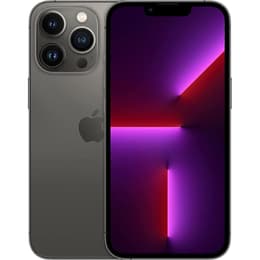
iPhone 13 Pro
iPhone 13 Pro
Starting at

Refurbished price:A$549.00

Versus A$1,539.00 new

See options
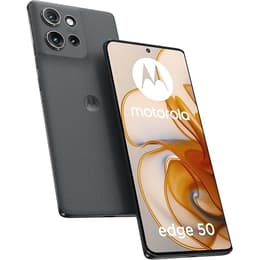
Motorola Edge 50
Motorola Edge 50
See options

The iPhone 13 Pro, released in September 2021, and the Motorola Edge 50 Pro, launched in April 2024, represent distinct approaches to smartphone design and functionality. While the iPhone 13 Pro operates on Apple's iOS ecosystem, the Motorola Edge 50 Pro runs on Android, offering users different software experiences. The primary differentiators between these two devices lie in their release timelines, operating systems, and specific hardware advancements, particularly in display technology and camera capabilities.

Scores

Durability

The expected practical lifespan of a smartphone is influenced by its release date, software support, and repairability.

  • Release Timeline: The iPhone 13 Pro was released in September 2021, making it an older device compared to the Motorola Edge 50 Pro, which launched in April 2024. This age difference means the iPhone 13 Pro has already received several years of software updates, while the Edge 50 Pro is at the beginning of its update cycle.
  • OS Support Duration: Apple typically provides iOS updates for its devices for approximately 5-6 years from their release. The iPhone 13 Pro, having shipped with iOS 15, has received updates up to iOS 18 and is compatible with iOS 26, indicating continued software support for a considerable period. The Motorola Edge 50 Pro, running Android 14 at launch, is expected to receive up to three major Android upgrades, offering a solid, though potentially shorter, support window compared to the iPhone.
  • Repairability: The iPhone 13 Pro received a repairability score of 5 out of 10 from iFixit, noting that while display and battery replacements are prioritized, other aspects can be challenging due to multiple screw types and software pairing. The Motorola Edge 50 Pro has a repairability score of 5.5 out of 10, with strong adhesive for the back cover and battery making disassembly difficult, though some components are accessible without full disassembly.

Release year

2021

2024

Compatible with latest Update

Yes

Yes

Operating system

iOS

Android

Foldable

No

No

Performance

Performance in daily use, app handling, and multitasking varies between these two devices due to their different internal components and operating system optimizations.

  • System Responsiveness: The iPhone 13 Pro, powered by its A15 Bionic chip, delivers smooth performance for demanding applications and multitasking. The Motorola Edge 50 Pro, featuring a Snapdragon 7 Gen 3 processor, also handles everyday tasks and multitasking smoothly, with users reporting no significant lag in normal use.
  • Storage Options: The iPhone 13 Pro offers a range of storage capacities, including 128 GB, 256 GB, 512 GB, and a 1 TB option, catering to users with extensive storage needs. The Motorola Edge 50 Pro comes with 256 GB or 512 GB of built-in storage, with RAM options of 8 GB or 12 GB, providing ample space and memory for most users.
  • Battery Behavior: The iPhone 13 Pro is noted for its battery life, capable of lasting a full day for many users. The Motorola Edge 50 Pro features a larger battery capacity, which, combined with its efficient processor, contributes to reliable daily usage.

Memory (GB)

6 GB

12 GB

Screen quality

Both devices offer high-quality displays, but they differ in technology, refresh rates, and overall viewing experience.

  • Display Technology and Clarity: The iPhone 13 Pro features a 6.1-inch Super Retina XDR OLED display, known for its deep blacks, vibrant colors, and crisp image quality with a resolution of 2532 x 1170 pixels at 460 ppi. The Motorola Edge 50 Pro sports a larger 6.7-inch pOLED 3D curved display with a 1.5K resolution (1220x2712 pixels), offering an immersive viewing experience with accurate colors.
  • Brightness and Refresh Rate: The iPhone 13 Pro's display has a typical maximum brightness of 1000 nits and a peak HDR brightness of 1200 nits, along with an adaptive ProMotion refresh rate up to 120Hz for fluid scrolling. The Motorola Edge 50 Pro boasts a higher peak brightness of 2000 nits and a faster 144Hz refresh rate, contributing to a very smooth and bright visual experience, even outdoors.
  • Viewing Experience: The iPhone 13 Pro's display is protected by Ceramic Shield. The Motorola Edge 50 Pro's curved display, while offering an immersive feel, may lead to accidental touches for some users.

Resolution

1170 x 2532

1220x2712

Audiovisual

Both smartphones provide advanced camera systems, but they excel in different areas of photography and videography.

  • Camera System Capabilities: The iPhone 13 Pro features a versatile triple 12MP camera system, including wide, ultra-wide, and telephoto lenses, along with a LiDAR scanner for depth. The Motorola Edge 50 Pro comes with a triple camera setup featuring a 50MP main camera, a 13MP ultrawide lens (which also handles macro shots), and a 10MP telephoto lens with 3x optical zoom.
  • Photography Performance: The iPhone 13 Pro is praised for its excellent overall picture quality, with detailed and vibrant images in good lighting, strong low-light performance, and a useful macro mode. The Motorola Edge 50 Pro delivers detailed and vibrant images, particularly from its main and telephoto cameras, with colors validated by Pantone for accuracy. Its 50MP selfie camera also captures detailed images.
  • Video Recording Quality: The iPhone 13 Pro supports 4K video recording at various frame rates and includes features like Cinematic Mode for shallow depth of field effects and ProRes video recording. The Motorola Edge 50 Pro offers 4K video recording at 30 frames per second with good image quality and impressive stabilization, though it does not support 4K at 60 frames per second.

Front camera

12 megapixels

32 megapixels

Miscellaneous

Beyond core features, several practical elements contribute to the overall user experience and device utility.

  • Connectivity Options: Both devices support 5G connectivity, ensuring access to fast mobile networks. The iPhone 13 Pro includes Wi-Fi 6 and Bluetooth 5.0. The Motorola Edge 50 Pro offers Wi-Fi 6E and Bluetooth 5.4, providing newer wireless standards.
  • Port Types and Biometrics: The iPhone 13 Pro utilizes a Lightning port for charging and data transfer and features Face ID for secure authentication. The Motorola Edge 50 Pro uses a USB-C port and incorporates an optical in-display fingerprint sensor for unlocking.
  • Weight and Dimensions: The iPhone 13 Pro measures 146.7 x 71.5 x 7.65 mm and weighs 204 grams, offering a compact feel. The Motorola Edge 50 Pro is slightly larger and lighter at 161.23 x 72.4 x 8.19 mm and 186 grams, which may appeal to users preferring a larger screen without excessive weight.

Weight

203 oz

180 oz

Screen size (in)

6,1

6.7

Network

5G

5G

SIM card

Physical SIM + eSIM

Physical SIM

Carrier compatibility

Unlocked

Unlocked

Connector

Lightning

USB-C

The iPhone 13 Pro and Motorola Edge 50 Pro cater to different user preferences, largely influenced by their respective ecosystems and release timelines. Users often praise the iPhone 13 Pro for its consistent performance, robust software support, and high-quality camera system, particularly its video capabilities and computational photography. Criticisms sometimes point to its proprietary Lightning port and the relatively slower refresh rate compared to newer Android flagships at its release. The Motorola Edge 50 Pro, being a more recent device, is frequently lauded for its vibrant, high-refresh-rate display, fast charging capabilities, and a camera system that delivers impressive detail and color accuracy, especially for its segment. Some users have noted that the camera processing can sometimes be slow, and the curved display, while visually appealing, might lead to accidental touches.

Users prioritizing a long software support lifespan and a well-established ecosystem with strong integration across devices may find the iPhone 13 Pro well-suited to their needs. Its consistent performance and reliable camera make it a solid choice for those who value stability and a premium build. Conversely, users who prioritize a larger, faster-refreshing display, modern connectivity standards like USB-C, and the flexibility of the Android operating system might lean towards the Motorola Edge 50 Pro. Its newer hardware and competitive camera performance offer a compelling package for those seeking a contemporary Android experience. Both devices offer a quality-assured refurbished option, providing an eco-friendly alternative for consumers looking to make informed and sustainable choices.
See all articles

Our recent comparisons