Compare models

iPhone Air vs iPhone SE (2022)

  • 1-year warranty
  • Free standard shipping
  • Free 30-day returns
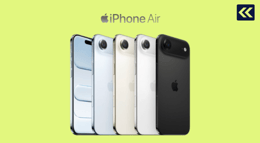
iPhone Air
Starting at

Refurbished price:A$1,099.00

Versus A$1,899.00 new

See options
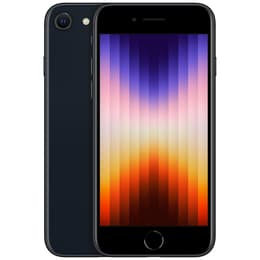
iPhone SE (2022)
Starting at

Refurbished price:A$183.00

Versus A$719.00 new

See options

Differences at a glance

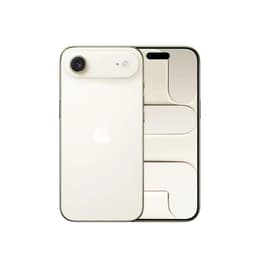
The iPhone Air (2025) and iPhone SE (2022) represent distinctly different approaches to smartphone design within Apple's ecosystem. While the iPhone Air features a modern, ultra-slim profile and a large display, the iPhone SE utilizes a classic compact form factor with traditional bezels. These two devices cater to different preferences in size, technology generation, and daily interaction.

Operating on current software iterations, the iPhone Air supports advanced features and multitasking interfaces, whereas the iPhone SE runs a streamlined version suited for its simpler hardware architecture. Each device provides a distinct user experience shaped by its respective release era.

Available Models

Colour

Storage

Scores

Durability

When evaluating longevity, the release timeline and software support windows create a clear division between these two models in terms of future-proofing and expected practical lifespan.

  • Release timeline and support: The iPhone Air launched in late 2025 with an extended software support horizon, whereas the iPhone SE debuted in early 2022 and occupies an earlier point in the support lifecycle.
  • Repairability and build: Both models utilize durable materials, though the newer iPhone Air incorporates modern structural engineering that aligns with current repair standards.
  • Expected lifespan: Users seeking maximum longevity for future application requirements will find the newer architecture of the iPhone Air better equipped for long-term daily use.

Release year

2025

2022

Compatible with latest Update

Yes

Yes

Operating system

iOS

iOS

Foldable

No

No

Performance

Internal hardware capabilities define how each device handles everyday applications, multitasking demands, and sustained battery behavior during typical routines.

  • Storage and multitasking: The iPhone Air starts with larger base storage capacities and generous memory configurations, facilitating smooth switching between demanding apps, while the iPhone SE relies on lighter storage tiers suited for basic usage.
  • Processor execution: The iPhone Air handles intensive tasks, high-end mobile gaming, and complex background processes effortlessly, whereas the iPhone SE manages everyday communication and web browsing adequately with its generation-appropriate processor.
  • Battery behavior: The iPhone Air delivers consistent power delivery through a full day of mixed activity, while the iPhone SE's smaller capacity requires more frequent charging for users with heavier daily routines.

Screen quality

The viewing experience differs significantly due to contrasting display technologies, physical dimensions, and visual clarity metrics.

  • Display technology: The iPhone Air features an expansive OLED screen with deep contrast and smooth high-refresh-rate motion, while the iPhone SE uses a traditional compact LCD panel with standard refresh rates.
  • Brightness and outdoor visibility: High peak brightness levels on the iPhone Air ensure clear visibility under direct sunlight, whereas the iPhone SE screen functions best in indoor or shaded environments.
  • Physical viewing space: The larger canvas on the iPhone Air accommodates media consumption and reading comfortably, while the smaller footprint of the iPhone SE prioritizes single-handed reachability.

Resolution

2736x1260

750 x 1334

Screen type

Super Retina XDR

Retina IPS LCD

Audiovisual

Photography, video recording, and audio output capabilities vary considerably, reflecting the generational gap in sensor technology and computational processing.

  • Camera systems: The iPhone Air is equipped with a high-resolution main sensor that captures sharp detail and balanced low-light imagery, while the iPhone SE utilizes a single traditional sensor suited for straightforward snapshots.
  • Video and audio output: The iPhone Air records steady, high-definition video with advanced stabilization features, whereas the iPhone SE handles basic video capture and standard call audio adequately.
  • Media consumption: Built-in speaker output on the iPhone Air provides a more immersive soundstage for videos and music compared to the simpler acoustic profile of the iPhone SE.

Main camera

48 megapixels

12 megapixels

Front camera

18 megapixels

7 megapixels

Miscellaneous

Practical daily features, physical handling, and connectivity standards dictate how each smartphone integrates into various modern routines.

  • Connectivity standards: The iPhone Air supports advanced wireless protocols and rapid data bands, while the iPhone SE provides standard 5G and Wi-Fi connectivity for everyday browsing.
  • Authentication methods: The iPhone Air relies on facial recognition for secure access, whereas the iPhone SE features a physical Home button with integrated fingerprint sensing.
  • Physical handling: The exceptionally thin and lightweight frame of the iPhone Air offers a modern tactile feel, while the traditional compact body of the iPhone SE appeals to users who favor pocket-friendly dimensions. For budget-conscious buyers seeking an eco-friendly alternative, a quality-assured refurbished option provides a sustainable choice without compromising on core functionality.

Weight

165 oz

144 oz

Screen size (in)

6.5

4.7

SIM card

eSIM

Physical SIM + eSIM

Carrier compatibility

Unlocked

Unlocked

Connector

USB-C

Lightning

What the community thinks

User feedback highlights distinct preferences for each device across community discussions. Owners of the iPhone Air frequently praise its expansive display, featherlight profile, and smooth system responsiveness, though some note that its ultra-thin housing requires careful handling. Conversely, users of the iPhone SE often appreciate its familiar physical button, compact proportions, and straightforward simplicity, while pointing out that battery longevity and screen size can feel restrictive during media-heavy tasks.

Users prioritizing a large, vibrant viewing space, advanced photography tools, and long-term software relevance will find the iPhone Air well-suited to their needs. Meanwhile, users who prefer a compact footprint, a physical home button, and a streamlined device for basic communication may lean toward the iPhone SE. Ultimately, choosing between these two options depends on whether modern multimedia performance or traditional pocket-friendly simplicity aligns closer with daily habits. Exploring a quality-assured refurbished option can also provide a sustainable path to acquiring either device while supporting eco-conscious consumption.