iPhone
Compare models
Differences at a glance
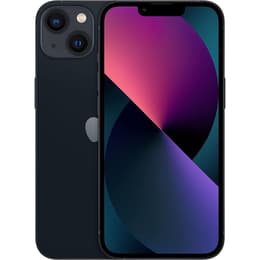
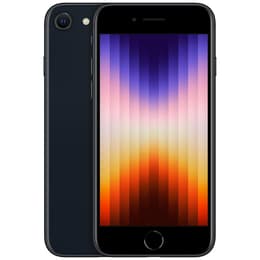
The iPhone 13, released in September 2021, and the iPhone SE (2022), launched in March 2022, are both smartphones from Apple that offer distinct user experiences. While both devices are powered by the same advanced processor, they differ significantly in design, display technology, and camera capabilities. Both models operate on Apple's iOS platform, ensuring a consistent software experience.
Colour
Storage
When considering the longevity of these devices, several factors come into play, including their release timelines, software support, and physical durability.
Release year
Compatible with latest Update
Operating system
Foldable
Both the iPhone 13 and iPhone SE (2022) share the same powerful internal processing unit, leading to comparable performance in many tasks, though practical usage can highlight subtle differences.
The visual experience is a significant differentiator between these two iPhones, primarily due to their display technologies and physical dimensions.
Resolution
Screen type
The camera systems on the iPhone 13 and iPhone SE (2022) offer different capabilities, catering to varying photography needs.
Main camera
Front camera
Beyond the core features, several practical elements contribute to the overall user experience of these two smartphones.
Weight
Screen size (in)
SIM card
Carrier compatibility
Connector
The iPhone 13 and iPhone SE (2022) cater to different user preferences, despite sharing the same powerful processor. User feedback often praises the iPhone 13 for its advanced display and camera system, with many appreciating the vibrant OLED screen and enhanced photography features like Night mode and Cinematic mode. Its longer battery life is also a frequently highlighted positive. Some common criticisms of the iPhone 13 might revolve around its size for users preferring a more compact device, or the continued presence of the notch.
Conversely, the iPhone SE (2022) receives commendation for its compact form factor and the inclusion of Touch ID, which remains a preferred authentication method for a segment of users. Its performance, matching the iPhone 13, is a significant advantage for a device of its size. However, users often note the limitations of its LCD display compared to modern OLED screens, the absence of Night mode in its camera, and its more traditional design with larger bezels as areas for improvement.
Users prioritizing a modern, expansive display, advanced camera capabilities for diverse lighting conditions, and extended battery life will find the iPhone 13 well-suited to their needs. Those who value a compact design, the familiarity of a physical home button with Touch ID, and robust performance in a smaller package may lean toward the iPhone SE (2022). Both devices offer a reliable iOS experience, and choosing between them often comes down to a trade-off between a cutting-edge visual and photographic experience versus a more traditional, pocket-friendly form factor. For those considering an eco-friendly alternative, quality-assured refurbished options for both models are available, offering a sustainable choice.