
Compare models
iPhone 17 Pro vs Oppo Find X5 Pro
- 1-year warranty
- Free standard shipping
- Free 30-day returns
Differences at a glance
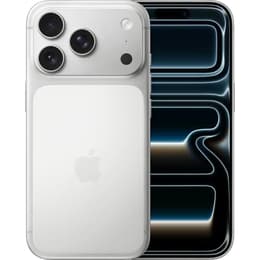
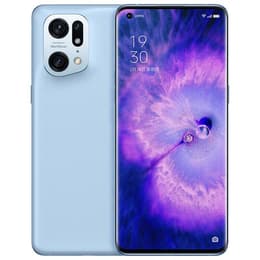
The Apple iPhone 17 Pro (2025) and the Oppo Find X5 Pro (2022) are high-end smartphones designed for users seeking advanced capabilities, robust craftsmanship, and refined media tools. While both devices occupy the premium tier of their respective release eras, they run on completely different software ecosystems, namely iOS and Android, and feature distinct generational timelines. These operational differences shape their everyday handling, feature sets, and long-term utility.
Available Models
Colour
Storage
Scores
Durability
When examining hardware longevity and software support, both smartphones offer distinct timelines shaped by their release years and manufacturer policies. Users exploring a quality-assured refurbished option will find that structural design and build integrity play major roles in daily durability.
- Software Support Duration: The iPhone 17 Pro benefits from Apple's extended update schedule, receiving operating system upgrades for many years, whereas the Oppo Find X5 Pro operates on a more traditional Android software lifecycle matching its earlier release window.
- Build Integrity: The iPhone 17 Pro utilizes reinforced glass-ceramic protection on both sides alongside an aluminum unibody, while the Oppo Find X5 Pro features a seamless ceramic back panel paired with durable display protection.
- Practical Lifespan: Both models maintain high structural resilience for daily use, though differences in update availability mean software continuity timelines vary between the two ecosystems.
Release year
2025
2022
Compatible with latest Update
Yes
Yes
Operating system
iOS
Android
Foldable
No
No
Performance
Under everyday workloads, both devices deliver swift response times, fluid app transitions, and capable multitasking via their generous RAM configurations. Storage capacities start at 256GB for the iPhone 17 Pro, while the Oppo Find X5 Pro offers robust configurations suited for large media libraries.
- App Loading and Multitasking: Both phones handle demanding applications, heavy multitasking, and graphic-intensive mobile games smoothly without noticeable stutter or lag.
- System Responsiveness: Animations and gesture navigation remain fluid across both interfaces, aided by high-performance internal hardware architectures.
- Battery Behavior: The iPhone 17 Pro provides extended daily runtime through efficient power management, while the Oppo Find X5 Pro relies on a high-capacity cell paired with rapid wired charging capabilities to minimize time plugged into a wall outlet.
Screen quality
Visual output differs slightly in terms of panel technology, dimensions, and resolution, though both devices provide vibrant color reproduction and high-refresh-rate smoothness for daily viewing.
- Display Technology: The iPhone 17 Pro features an advanced OLED screen with precise color calibration, while the Oppo Find X5 Pro incorporates an LTPO AMOLED panel delivering high-resolution clarity and deep contrast levels.
- Outdoor Visibility: Both displays offer high peak brightness outputs, ensuring legible text and media viewing even under bright sunlight conditions.
- Refresh Rate and Smoothness: Both models support adaptive refresh rates up to 120Hz, providing fluid scrolling through web pages, documents, and social media feeds.
Audiovisual
Imaging hardware on both smartphones is built to capture detailed photographs and high-definition video across various lighting conditions, supported by specialized internal image processing tools.
- Photography Performance: The iPhone 17 Pro utilizes a triple-lens system with high-resolution sensors and flexible zoom capabilities, while the Oppo Find X5 Pro combines dual high-resolution main lenses with a dedicated telephoto option and specialized color tuning.
- Video Recording: Both devices offer stable, high-definition video capture with advanced stabilization features, making them well-suited for recording family events or travel vlogs.
- Audio and Media Output: Stereo speaker setups on both models deliver clear sound reproduction for hands-free calls, podcasts, and casual video streaming.
Front camera
18 megapixels
32 megapixels
Miscellaneous
Practical elements such as connectivity standards, physical dimensions, and biometric security shape the everyday user experience of handling these two devices.
- Connectivity and Ports: Both models support 5G cellular networks, modern Wi-Fi standards, and Bluetooth, utilizing reversible USB-C or Lightning connectors depending on the ecosystem.
- Security Sensors: The iPhone 17 Pro relies on advanced facial recognition, while the Oppo Find X5 Pro features an optical fingerprint scanner embedded beneath the screen.
- Handling and Weight: The iPhone 17 Pro balances a compact 6.3-inch form factor with moderate weight, whereas the Oppo Find X5 Pro presents a slightly larger 6.7-inch footprint and heavier build due to its ceramic back construction.
Weight
206 oz
218 oz
Screen size (in)
6.3
6.7
Network
5G
5G
SIM card
Physical SIM + eSIM
Physical SIM + eSIM
Carrier compatibility
Unlocked
Unlocked
Connector
USB-C
USB-C
What the community thinks
User feedback from online communities highlights distinct preferences for each device based on everyday workflow requirements and operating system familiarity. Owners of the iPhone 17 Pro frequently praise its seamless ecosystem integration, responsive battery life, and high-resolution camera versatility. Conversely, users of the Oppo Find X5 Pro often highlight its distinctive ceramic finish, sharp high-resolution display, and rapid charging speeds as standout daily benefits.
Users prioritizing long-term software update availability and integrated multimedia workflows may lean toward the iPhone 17 Pro. Meanwhile, users who prefer an Android environment, a larger display canvas, and fast-charging capabilities will find the Oppo Find X5 Pro well-suited to their needs. For consumers seeking an eco-friendly alternative, choosing a quality-assured refurbished model provides a sustainable path to acquiring either device without compromising on operational reliability.