Compare models
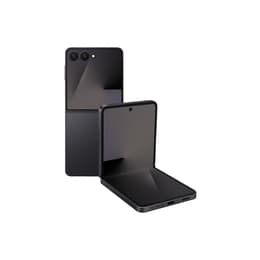
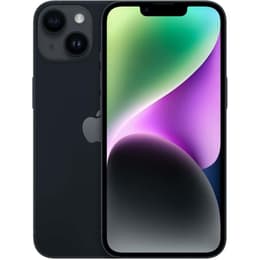
Galaxy Z Flip7 vs iPhone 14
- 1-year warranty
- Free standard shipping
- Free 30-day returns
Differences at a glance
The Samsung Galaxy Z Flip7 (2025) and the Apple iPhone 14 (2022) represent two entirely different approaches to modern smartphone design, contrasting a contemporary foldable clamshell form factor with a classic slate configuration. While the Galaxy Z Flip7 offers an innovative dual-screen layout and runs on the Android operating system, the iPhone 14 utilizes a traditional single-screen structure powered by iOS. These structural and software differences shape distinct daily user experiences.
Available Models
Colour
Storage (GB)
Scores
Durability
When evaluating structural longevity and software support, both devices approach hardware durability through different engineering methods.
- Release Timeline and Software Support: The Galaxy Z Flip7 arrived in 2025 with support for modern Android iterations, whereas the iPhone 14 debuted in 2022 and benefits from Apple's long-standing tradition of multi-year software updates.
- Physical Resilience: The iPhone 14 features a rigid glass-and-aluminum body with a standard front shield, while the Galaxy Z Flip7 incorporates a flexible folding display mechanism designed to close compactly for portability.
Release year
2025
2022
Operating system
Android
iOS
Foldable
Yes
No
Performance
Under everyday workloads, both smartphones handle multitasking, apps, and media consumption smoothly through distinct hardware configurations.
- Multitasking and Responsiveness: Both models manage daily web browsing, social media applications, and background tasks seamlessly, aided by ample memory allocations that keep switching between open apps fluid.
- Storage and Battery Behavior: The iPhone 14 provides fixed storage tiers starting at 128GB, while the Galaxy Z Flip7 begins at 256GB. Battery endurance varies under heavy use, with both devices engineered to navigate a standard daily routine before requiring a recharge.
Screen quality
Visual output differs significantly due to the distinct display architectures implemented by each manufacturer.
- Display Technology: The iPhone 14 utilizes a rigid OLED panel providing high contrast and deep black levels, while the Galaxy Z Flip7 features a foldable main screen paired with a large exterior cover display for notifications and quick interactions.
- Brightness and Smoothness: Both screens deliver clear visibility under bright outdoor lighting conditions, with high refresh rate support on the folding display ensuring smooth scrolling through menus and web pages.
Resolution
1080x2520
1170 x 2532
Audiovisual
Photography and media recording capabilities cater to different creative styles through versatile dual-lens setups.
- Imaging Hardware: The iPhone 14 relies on a dual rear camera system optimized for balanced color reproduction and reliable low-light performance, while the Galaxy Z Flip7 leverages flexible folding angles to enable stable hands-free photo and video capture.
- Video and Audio: Both handsets record high-definition video with steady stabilization features and clear internal microphone input for calls and media creation.
Miscellaneous
Practical daily usability elements highlight divergent design philosophies regarding connectivity and physical handling.
- Connectivity and Ports: The iPhone 14 utilizes a proprietary charging port alongside widespread wireless standards and digital SIM support, while the Galaxy Z Flip7 adopts standard universal USB-C connectivity alongside modern wireless protocols.
- Form Factor and Handling: The iPhone 14 offers a traditional flat profile that rests easily in pockets, whereas the Galaxy Z Flip7 folds in half to occupy a smaller footprint during travel. Opting for a quality-assured refurbished option provides a sustainable choice for acquiring either model.
Weight
188 oz
172 oz
Screen size (in)
6.9
6,1
Network
5G
5G
SIM card
Physical SIM + eSIM
Physical SIM + eSIM
Carrier compatibility
Unlocked
Unlocked
What the community thinks
User feedback from online communities indicates that owners appreciate the iPhone 14 for its reliable everyday stability, straightforward software environment, and comfortable single-handed dimensions. Common discussions often focus on the fixed screen layout and standard charging speeds as points of familiarity. Conversely, users frequently praise the Galaxy Z Flip7 for its compact folding footprint, expansive exterior cover screen, and modern versatility, though some note that foldable maintenance requires mindful handling.
Users prioritizing a traditional smartphone experience with long-term software consistency may prefer the iPhone 14, while users seeking innovative folding utility and a smaller pocket footprint during travel will lean toward the Galaxy Z Flip7. Choosing between these devices depends entirely on personal preference for physical form factor and operating system ecosystems. Exploring a sustainable, quality-assured refurbished option allows consumers to make an eco-friendly choice when purchasing either smartphone.