
Compare models
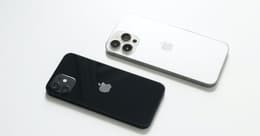
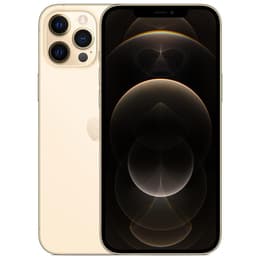
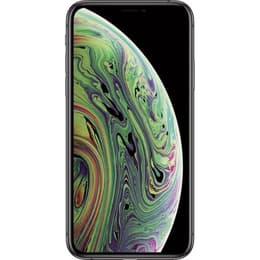
iPhone 12 Pro Max vs iPhone XS
- 1-year warranty
- Free standard shipping
- Free 30-day returns
Differences at a glance
The iPhone 12 Pro Max, released in late 2020, and the iPhone Xs, launched in late 2018, represent different generations of Apple's premium smartphone line. While both devices offer a high-quality user experience within their respective eras, the iPhone 12 Pro Max introduces advancements in display technology, camera capabilities, and overall processing power. Both operate on Apple's iOS platform, ensuring a consistent software ecosystem, but their age difference means varying levels of future software support and hardware features.
Available Models
Colour
Storage (GB)
Scores
Durability
The practical lifespan of a smartphone is influenced by its release timeline, software support, and physical resilience. The iPhone 12 Pro Max, being a newer device, naturally benefits from a longer expected period of software updates and overall longevity compared to the iPhone Xs.
- Software Support: The iPhone 12 Pro Max, released in November 2020, is expected to receive major iOS updates for several more years, likely until late 2025 or 2026. In contrast, the iPhone Xs, launched in September 2018, has likely reached or is nearing the end of its major iOS update cycle, having received updates up to iOS 17.
- Physical Durability: The iPhone 12 Pro Max features a Ceramic Shield front cover, which offers enhanced drop performance compared to the iPhone Xs's glass front. Both devices utilize a stainless steel frame and glass back, contributing to a robust build.
- Expected Lifespan: Users prioritising the longest possible software support and the latest security updates will find the iPhone 12 Pro Max a more future-proof option. The iPhone Xs remains a capable device for everyday tasks, but its software support window is closing.
Release year
2020
2018
Compatible with latest Update
Yes
Yes
Operating system
iOS
iOS
Foldable
No
No
Performance
Performance differences between these two models are notable, primarily due to the two-year gap in their release, which brings significant advancements in internal components and efficiency.
- Processing Power: The iPhone 12 Pro Max is equipped with a newer generation processor, providing a noticeable boost in speed and efficiency. This translates to smoother operation for demanding applications, faster app loading times, and more fluid multitasking compared to the iPhone Xs.
- Multitasking and Storage: The iPhone 12 Pro Max generally offers more RAM, which enhances its ability to handle multiple applications simultaneously without slowdowns. Both devices are available with various internal storage options, but the 12 Pro Max typically starts with a higher base storage capacity and offers larger maximum capacities, accommodating more apps, photos, and videos.
- Battery Performance: The iPhone 12 Pro Max features a larger battery capacity, resulting in extended usage times. Users can expect up to 20 hours of video playback on the 12 Pro Max, while the iPhone Xs offers up to 14 hours. This difference means the 12 Pro Max can more comfortably last a full day of heavy use.
Screen quality
Both devices feature OLED displays, offering deep blacks and vibrant colors, but the iPhone 12 Pro Max introduces a larger screen size and improved brightness levels.
- Display Technology and Size: The iPhone 12 Pro Max boasts a 6.7-inch Super Retina XDR OLED display, providing a significantly larger viewing area than the iPhone Xs's 5.8-inch Super Retina HD OLED screen. Both displays offer a pixel density of 458 pixels per inch, ensuring sharp text and images.
- Brightness and Clarity: The iPhone 12 Pro Max achieves a higher peak brightness of 1200 nits for HDR content and 800 nits typical maximum brightness, making it more visible in bright outdoor conditions compared to the iPhone Xs's 625 nits typical maximum brightness. Both support HDR and True Tone for adaptive color.
- Refresh Rate: Both models feature a standard 60Hz refresh rate, which provides a smooth experience for most daily interactions. While newer devices offer higher refresh rates, the 60Hz on these models is sufficient for general use and media consumption.
Resolution
1284 x 2778
1125 x 2436
Screen type
Super Retina XDR OLED
Super Retina OLED
Audiovisual
The camera systems are a key area of differentiation, with the iPhone 12 Pro Max offering a more advanced and versatile setup for photography and videography.
- Rear Camera System: The iPhone 12 Pro Max features a triple 12MP camera system (Wide, Ultra Wide, Telephoto) with a LiDAR Scanner, enabling improved low-light autofocus and Night mode portraits. Its Wide camera benefits from sensor-shift optical image stabilization for enhanced stability. The iPhone Xs has a dual 12MP camera system (Wide, Telephoto) with optical image stabilization.
- Photography Features: The 12 Pro Max introduces Night mode for all cameras, Deep Fusion, and Smart HDR 3, resulting in better detail and dynamic range in various lighting conditions. It also supports Apple ProRAW for more editing flexibility. The iPhone Xs features Smart HDR for photos and Portrait mode with Depth Control.
- Video Recording: The iPhone 12 Pro Max can record HDR video with Dolby Vision at up to 60 frames per second, offering superior video quality. Both models support 4K video recording at up to 60 frames per second, but the 12 Pro Max's advancements provide a more professional video capture experience.
Main camera
12 megapixels
12 megapixels
Front camera
12 megapixels
7 megapixels
Miscellaneous
Beyond the core features, several practical elements distinguish these two iPhone models, impacting daily usability and future compatibility.
- Connectivity: The iPhone 12 Pro Max supports 5G cellular connectivity and Wi-Fi 6, offering faster download and upload speeds in compatible networks. The iPhone Xs supports 4G LTE and Wi-Fi 5. Both include Bluetooth 5.0 and NFC for Apple Pay.
- Physical Design and Handling: The iPhone 12 Pro Max is a larger and heavier device, measuring 160.8 x 78.1 x 7.4 mm and weighing 228 grams. The iPhone Xs is more compact at 143.6 x 70.9 x 7.7 mm and 177 grams, making it easier for one-handed use for some individuals. Both feature a Lightning port for charging and data transfer.
- Biometric Security: Both devices rely on Face ID for secure facial authentication, enabling unlocking, Apple Pay, and app access. The Face ID system on the 12 Pro Max is generally faster due to improved hardware and software integration.
Weight
226 oz
177 oz
Screen size (in)
6.7
5.8
Network
5G
4G
SIM card
Physical SIM + eSIM
Physical SIM + eSIM
Carrier compatibility
Unlocked
Unlocked
Connector
Lightning
Lightning
What the community thinks
User sentiment often highlights the iPhone 12 Pro Max for its expansive display, robust camera system, and extended battery life, making it a strong choice for media consumption and photography enthusiasts. Common praise points include its performance for demanding tasks and the inclusion of 5G connectivity. Some users, however, find its larger size and weight less convenient for one-handed operation.
The iPhone Xs is frequently lauded for its more compact form factor and still-capable performance for everyday use. Users appreciate its OLED display and solid build quality. Criticisms often revolve around its battery life compared to newer models and the eventual cessation of major software updates.
For users who prioritize a large, vibrant display, advanced camera features, and the latest connectivity standards like 5G, the iPhone 12 Pro Max is well-suited. Its extended software support also makes it a more durable investment in terms of longevity. Conversely, individuals seeking a more compact device that is comfortable for one-handed use and still delivers a premium experience for general tasks may find the iPhone Xs to be a suitable option. Both devices offer a quality experience, and choosing a quality-assured refurbished option for either model can be a sustainable choice.