
Google Pixel 9 Pro Fold vs iPhone 15

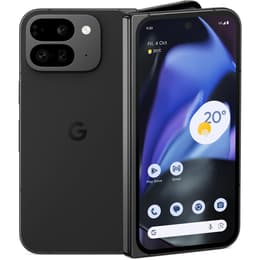
Google Pixel 9 Pro Fold
See options
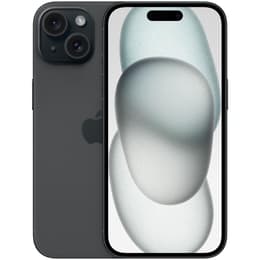
iPhone 15
iPhone 15
Starting at

Refurbished price:A$699.00

Versus A$1,249.00 new

See options

Ratings

The Google Pixel 9 Pro Fold, released in September 2024, and the iPhone 15, launched in September 2023, represent distinct approaches to modern smartphone design and functionality. While the iPhone 15 offers a traditional slab form factor running on iOS, the Pixel 9 Pro Fold introduces a foldable design powered by Android, providing a versatile experience with its dual-screen setup. These devices cater to different user preferences, primarily differing in their physical design, operating system ecosystems, and how they approach display technology and user interaction.

Scores

Durability

When considering the long-term usability of these devices, both offer robust software support and physical durability features, though their timelines and specific protections vary.

  • Software Longevity: The Google Pixel 9 Pro Fold is expected to receive seven years of operating system, security, and feature updates from its 2024 release. The iPhone 15, released in 2023, typically receives major iOS updates for approximately five to six years from its launch, ensuring a prolonged period of current software features and security patches.
  • Physical Resilience: The iPhone 15 features a Ceramic Shield front cover and an IP68 rating for dust and water resistance, allowing submersion up to 6 meters for 30 minutes. The Pixel 9 Pro Fold offers IPX8 water resistance, indicating protection against submersion, and incorporates a new stainless steel hinge and high-strength aluminum alloy cover for its folding mechanism.
  • Repairability: The iPhone 15 initially received a repairability score of 4 out of 10, which was later promoted to 7 out of 10 due to improvements in repair processes and the introduction of Repair Assistant. Information regarding the Pixel 9 Pro Fold's specific repairability score is not as widely detailed, but its complex folding mechanism may present unique repair considerations.

Release year

2024

2023

Compatible with latest Update

Yes

Yes

Operating system

Android

iOS

Foldable

Yes

No

Performance

Both devices are equipped with advanced internal components designed to handle demanding tasks, though their architectural approaches differ.

  • Processing Power: The Pixel 9 Pro Fold is powered by Google's Tensor G4 chip, paired with 16GB of RAM, enabling smooth multitasking and efficient handling of AI-driven features. The iPhone 15 utilizes the A16 Bionic chip, which provides responsive performance for applications and gaming.
  • Everyday Responsiveness: Users can expect fluid navigation and quick app loading on both devices. The Pixel 9 Pro Fold's larger RAM capacity may offer a slight advantage in keeping more applications active in the background without needing to reload. The iPhone 15 delivers consistent performance across the iOS ecosystem, ensuring a seamless user experience for daily activities and graphically intensive games.
  • Storage Options: The iPhone 15 is available with 128GB, 256GB, or 512GB of internal storage. The Pixel 9 Pro Fold offers 256GB or 512GB storage configurations.

Memory (GB)

16 GB

6 GB

Screen quality

The display experience is a primary differentiator, with the Pixel 9 Pro Fold offering a unique foldable form factor compared to the iPhone 15's traditional screen.

  • Display Technology and Size: The iPhone 15 features a 6.1-inch Super Retina XDR OLED display with a resolution of 2556 x 1179 pixels, offering deep blacks and vibrant colors. The Pixel 9 Pro Fold boasts two OLED displays: an 8.0-inch internal Super Actua Flex LTPO display when unfolded, with a resolution of 2152 x 2076 pixels, and a 6.3-inch external Actua Display with a 1080 x 2424 pixel resolution when folded.
  • Brightness and Refresh Rate: The iPhone 15's display has a 60Hz refresh rate and can reach up to 2000 nits peak outdoor brightness. The Pixel 9 Pro Fold's internal display offers a dynamic 1-120Hz refresh rate and a peak brightness of 2700 nits, while its cover display also supports up to 120Hz refresh rate and 1800 nits peak brightness, providing smoother scrolling and better visibility in bright conditions.
  • Viewing Experience: The iPhone 15 includes the Dynamic Island for interactive alerts and activities. The Pixel 9 Pro Fold's larger, foldable internal screen provides an expansive canvas for multitasking and media consumption, while its taller cover screen aims for a more conventional smartphone experience when closed.

Resolution

2076 x 2152

1179 x 2556

Screen type

Foldable LTPO OLED

Super Retina XDR OLED

Audiovisual

Both smartphones offer advanced camera systems, leveraging computational photography to deliver high-quality images and videos, though with different hardware configurations.

  • Rear Camera Systems: The iPhone 15 features a dual-camera setup with a 48MP main sensor that uses sensor-shift optical image stabilization and can capture 24MP default photos, offering 2x optical zoom through sensor cropping. It also includes a 12MP ultra-wide lens. The Pixel 9 Pro Fold comes with a triple rear camera system, including a 48MP wide-angle lens, a 10.5MP ultra-wide lens, and a 10.8MP telephoto lens capable of 5x optical zoom and 20x Super Res Zoom.
  • Front-Facing Cameras: The iPhone 15 has a 12MP TrueDepth front camera with autofocus. The Pixel 9 Pro Fold features two 10MP front-facing cameras, one on the cover display and one on the internal folding display.
  • Photography Features and Video: Both devices excel in everyday photography and low-light conditions. The iPhone 15 supports 4K Dolby Vision video recording up to 60 frames per second, along with Cinematic and Action modes. The Pixel 9 Pro Fold emphasizes AI-powered photo editing features like 'Add Me' and 'Made you look,' and offers multi-camera simultaneous support.

Main camera

48 megapixels

48 megapixels

Front camera

10 megapixels

12 megapixels

Miscellaneous

Beyond core specifications, several practical elements contribute to the overall user experience of these devices.

  • Connectivity and Ports: Both the iPhone 15 and Pixel 9 Pro Fold support 5G connectivity, Wi-Fi, and Bluetooth 5.3. The iPhone 15 uses Wi-Fi 6, while the Pixel 9 Pro Fold supports the newer Wi-Fi 7 standard. Both devices have adopted USB-C for charging and data transfer. The Pixel 9 Pro Fold also includes Ultra Wideband (UWB) and satellite connectivity for emergency services.
  • Biometric Security: The iPhone 15 relies on Face ID for secure facial recognition. The Pixel 9 Pro Fold offers both a fingerprint scanner and facial scanning for biometric authentication.
  • Design and Handling: The iPhone 15 has dimensions of 147.6 x 71.6 x 7.8mm and weighs 171 grams, featuring an aluminum design with a color-infused glass back. The Pixel 9 Pro Fold, when folded, measures 155.2 x 77.1 x 10.5mm and weighs 257 grams, offering a flat-edged body and a more squarish internal display aspect ratio compared to its predecessor.

Weight

257 oz

171 oz

Screen size (in)

8.0

6.1

Network

5G

5G

SIM card

Physical SIM + eSIM

Physical SIM + eSIM

Carrier compatibility

Unlocked

Unlocked

The Google Pixel 9 Pro Fold and the iPhone 15 cater to distinct user needs, each excelling in different areas. User sentiment for the iPhone 15 often praises its consistent performance, reliable camera system, and the seamless integration within the iOS ecosystem. Many appreciate its improved durability and the adoption of USB-C. Some common criticisms include its 60Hz display refresh rate, which some users find less fluid compared to higher refresh rate screens on other devices.

For the Pixel 9 Pro Fold, early impressions and rumors highlight its innovative foldable design, offering a large internal display for productivity and media consumption, alongside a more usable external screen. Its advanced AI capabilities and the promise of extended software support are also frequently noted as strong points. Potential concerns for foldable devices often revolve around the long-term durability of the folding screen and hinge, though the Pixel 9 Pro Fold aims to address this with a refined design.

Users prioritizing a compact, traditional smartphone experience with a highly optimized software ecosystem and strong privacy features may find the iPhone 15 well-suited to their needs. Its consistent performance and robust camera make it a reliable daily driver. Conversely, users seeking a versatile device that transforms from a conventional smartphone to a larger tablet-like screen for enhanced multitasking, content creation, or immersive media viewing, and who value Google's AI innovations and extended Android support, may lean toward the Pixel 9 Pro Fold. Both devices offer compelling features, and considering a quality-assured refurbished option for either model can provide an eco-friendly alternative for making an informed choice.

See all articles

Our recent comparisons