
iPhone 15 vs iPhone 16e

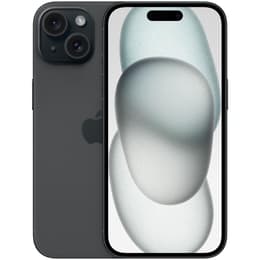
iPhone 15
iPhone 15
Starting at

Refurbished price:A$680.00

Versus A$1,249.00 new

See options
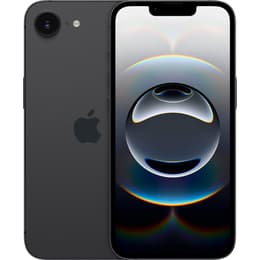
iPhone 16e
iPhone 16e
Starting at

Refurbished price:A$838.00

Versus A$999.00 new

See options

Ratings

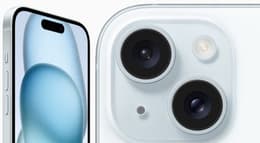
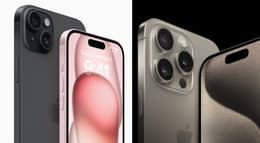
The iPhone 15, released in September 2023, and the iPhone 16e, introduced in February 2025, represent different approaches within Apple's smartphone lineup. While both are 6.1-inch devices running on the iOS operating system, the iPhone 16e serves as a more recent entry-level model, incorporating a newer processor and enhanced battery life, whereas the iPhone 15 offers a more established feature set including the Dynamic Island.

Scores

Durability

Evaluating the practical lifespan of these devices involves considering their release timelines, software support, and physical resilience.

  • Release Timeline: The iPhone 15 was released in September 2023, making it an older model compared to the iPhone 16e, which launched in February 2025. This difference in release date means the iPhone 16e will likely receive software updates for a longer period.
  • Software Longevity: Both devices are designed to receive several years of iOS updates. The iPhone 15 launched with iOS 17 and is compatible with iOS 26, while the iPhone 16e launched with iOS 18.3 and also supports iOS 26. The iPhone 16e's newer processor and later release date suggest it will maintain optimal performance with future iOS versions for a longer duration.
  • Durability Features: Both models feature a Ceramic Shield front cover and an IP68 rating for water and dust resistance, indicating a similar level of physical durability against everyday elements. The iPhone 15's battery is designed to retain 80% of its original capacity after 1000 charge cycles, an improvement over previous models.

Release year

2023

2025

Operating system

iOS

iOS

Foldable

No

No

Performance

The performance capabilities of these two iPhones are primarily driven by their internal processing units and memory configurations, impacting how smoothly they handle various tasks.

  • Processing Power: The iPhone 15 is equipped with the A16 Bionic chip, which provides robust performance for everyday applications, multitasking, and graphics-intensive games. The iPhone 16e features the newer A18 chip, offering a generational leap in processing power. This newer chip in the iPhone 16e is particularly optimized for advanced computational tasks and supports Apple Intelligence features.
  • Multitasking and Responsiveness: The iPhone 15 comes with 6GB of RAM, allowing for efficient app switching and background processes. The iPhone 16e, with 8GB of RAM, offers additional headroom for demanding applications and more seamless multitasking, contributing to a generally more responsive user experience, especially with the integration of Apple Intelligence.
  • Graphics Performance: While both devices handle graphics well, the iPhone 16e's A18 chip has a 4-core GPU, which is slightly less powerful in graphics performance (approximately 15% lower) compared to the 5-core GPU found in the standard iPhone 16. The iPhone 15's A16 Bionic chip features a 5-core GPU. For most users, this difference may not be significantly noticeable in daily use, but it could impact performance in highly graphics-intensive games or applications.

Memory (GB)

6 GB

8 GB

Screen quality

Both the iPhone 15 and iPhone 16e offer high-quality displays, but they differ in certain design elements and peak brightness levels.

  • Display Technology and Size: Both models feature a 6.1-inch Super Retina XDR OLED display, providing deep blacks, vibrant colors, and excellent contrast. The resolution is similar, with the iPhone 15 at 2556x1179 pixels and the iPhone 16e at 2532x1170 pixels, both resulting in a sharp 460 pixels per inch.
  • Brightness and Outdoor Visibility: The iPhone 15 offers a typical maximum brightness of 1000 nits and a peak outdoor brightness of up to 2000 nits, making it highly visible even in direct sunlight. The iPhone 16e has a typical maximum brightness of 800 nits and a peak HDR brightness of 1200 nits. This means the iPhone 15 may offer better visibility in very bright outdoor conditions.
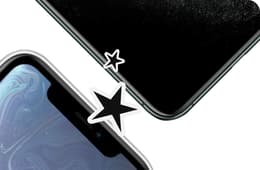
  • Design and Refresh Rate: A notable design difference is the iPhone 15's inclusion of the Dynamic Island, which integrates alerts and activities into a fluid interface. The iPhone 16e retains the traditional notch design, similar to the iPhone 14. Both devices maintain a standard 60Hz refresh rate, providing a smooth experience for most content, though not matching the higher refresh rates found in some other smartphones.

Resolution

1179 x 2556

2532x1170

Audiovisual

The camera systems on both the iPhone 15 and iPhone 16e are designed to capture high-quality images and videos, though they present different configurations and capabilities.

  • Main Camera System: The iPhone 15 features an advanced dual-camera system with a 48MP main sensor (f/1.6) and a 12MP ultra-wide lens (f/2.4). The 48MP main camera also enables a 2x telephoto option through its quad-pixel sensor. The iPhone 16e also boasts a 48MP Fusion main camera (f/1.6) with a single lens, which similarly offers a 12MP 2x telephoto capability.
  • Photography Features: Both phones benefit from features like Photonic Engine, Deep Fusion, Smart HDR, and Night mode for improved image processing across various lighting conditions. They support next-generation portraits with Focus and Depth Control and 4K Dolby Vision video recording. The iPhone 15 also includes Action mode for stabilized video up to 2.8K at 60fps.
  • Front Camera and Audio: Both devices are equipped with a 12MP front-facing camera (f/1.9) with autofocus, suitable for selfies and video calls. For audio, both offer stereo speakers and support for audio zoom during video recording, enhancing the media consumption and creation experience.

Front camera

12 megapixels

TrueDepth 12MP

Miscellaneous

Beyond core performance and display, several practical features and design aspects differentiate the iPhone 15 and iPhone 16e, influencing daily usability.

  • Connectivity and Ports: Both models support 5G cellular connectivity, Wi-Fi 6 (802.11ax), and Bluetooth 5.3. A significant change for both is the adoption of a USB-C port for charging and data transfer, moving away from the proprietary Lightning port. However, the USB-C port on both the iPhone 15 and iPhone 16e operates at USB 2.0 speeds.
  • Unique Features and Sensors: The iPhone 15 includes a second-generation Ultra Wideband chip for enhanced spatial awareness and precision finding. It also supports MagSafe for magnetic accessories and wireless charging. The iPhone 16e, while lacking the Ultra Wideband chip and MagSafe, introduces the Action Button, replacing the traditional mute switch with a customizable shortcut.
  • Physical Design: In terms of dimensions, both phones are very similar, with the iPhone 15 measuring 147.6 x 71.6 x 7.8 mm and weighing 171 grams, and the iPhone 16e at 146.7 x 71.5 x 7.8 mm and 167 grams. Both feature an aluminum frame and glass back, with the iPhone 15 offering a color-infused glass back and the iPhone 16e available in matte black and white finishes.

Weight

171 oz

167 oz

Screen size (in)

6.1

6.1

Network

5G

5G

SIM card

Physical SIM + eSIM

Physical SIM + eSIM

Carrier compatibility

Unlocked

Unlocked

Connector

USB-C (USB 2)

USB-C

The iPhone 15 and iPhone 16e each present a compelling set of features, catering to slightly different user priorities. The iPhone 15, as a slightly older model, is generally praised by users for its capable 48MP main camera, good battery life for a full day's use, and bright display. Common criticisms include its 60Hz display, which some users find less fluid compared to higher refresh rate screens, and occasional reports of heating, particularly during charging or intensive use.

The iPhone 16e, being a more recent entry, benefits from a newer processor and significantly improved battery life, with Apple claiming it has the longest battery life of any 6.1-inch iPhone. Its support for Apple Intelligence is a key advantage for users interested in advanced AI features. However, it retains the notch design rather than the Dynamic Island and lacks MagSafe and the Ultra Wideband chip, which might be a consideration for some.

Users prioritizing the latest processing power, extended battery endurance, and access to Apple Intelligence features may find the iPhone 16e better suited to their needs. Conversely, those who value the Dynamic Island interface, slightly higher peak outdoor display brightness, and the Ultra Wideband chip might lean towards the iPhone 15. Both devices offer a durable design and a capable camera system, making them solid choices for everyday use. For those considering either model, exploring quality-assured refurbished options can provide an eco-friendly alternative.

See all articles

Our recent comparisons