
Galaxy Z Fold4 vs iPhone SE (2020)

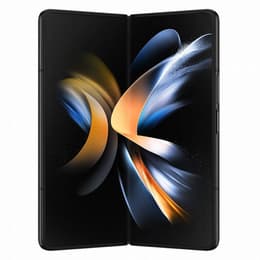
Galaxy Z Fold4
Galaxy Z Fold4
Starting at

Refurbished price:A$734.00

Versus A$3,628.00 new

See options
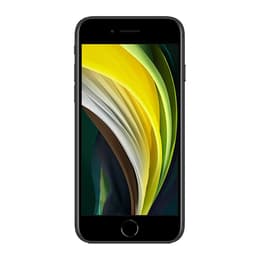
iPhone SE (2020)
iPhone SE (2020)
Starting at

Refurbished price:A$108.00

Versus A$529.00 new

See options

Ratings

The Samsung Galaxy Z Fold4, released in August 2022, is a foldable smartphone that transforms from a traditional phone form factor into a larger tablet-like display. In contrast, the Apple iPhone SE 2020, launched in April 2020, is a compact, conventional smartphone. These devices offer distinct user experiences, primarily differing in their design philosophy, screen size, and operating systems, with the Z Fold4 running Android and the iPhone SE 2020 running iOS.

Scores

Durability

The expected practical lifespan of a smartphone is influenced by its release date, software support, and physical durability. The Galaxy Z Fold4, being a newer device, generally benefits from a longer period of software updates compared to the iPhone SE 2020.

  • Release Timeline: The Galaxy Z Fold4 was released in August 2022, while the iPhone SE 2020 was released in April 2020. This two-year difference means the Z Fold4 has a more recent starting point for its lifecycle.
  • OS Support: Samsung has committed to providing four Android OS upgrades and five years of security updates for the Z Fold4, extending its support until around 2027. The iPhone SE 2020, initially shipped with iOS 13.4, has received updates to subsequent iOS versions, including iOS 18.x, and typically receives software support for approximately 5-6 years from its release.
  • Repairability: The iPhone SE 2020 received a repairability score of 6 out of 10 from iFixit, indicating that common components like the display and battery are relatively straightforward to replace. The Z Fold4, with its complex foldable design, presents a more intricate repair process.
  • Durability Features: The Galaxy Z Fold4 features an IPX8 water resistance rating, meaning it can withstand submersion in up to 1.5 meters of fresh water for 30 minutes. The iPhone SE 2020 has an IP67 rating, offering resistance to dust and water immersion up to 1 meter for 30 minutes.

Release year

2022

2020

Compatible with latest Update

Yes

Yes

Operating system

Android

iOS

Foldable

Yes

No

Performance

Performance in both devices is driven by their respective internal components, impacting how smoothly applications run, how quickly tasks are completed, and how efficiently power is managed.

  • Processing Power: The Galaxy Z Fold4 handles demanding applications and multitasking smoothly, offering a responsive experience for gaming and productivity due to its current-generation processor. The iPhone SE 2020 also provides a fluid experience for everyday tasks and many modern games, benefiting from its capable processor at the time of its release.
  • Multitasking and RAM: The Z Fold4 comes with 12 GB of RAM, which supports extensive multitasking, allowing users to run multiple applications simultaneously on its larger display without significant slowdowns. The iPhone SE 2020 features 3 GB of RAM, which is sufficient for typical smartphone usage and app switching, though it offers less headroom for heavy multitasking compared to the Z Fold4.
  • Storage Options: The Galaxy Z Fold4 is available with 256 GB, 512 GB, and 1 TB of internal storage. The iPhone SE 2020 offers storage options of 64 GB, 128 GB, and 256 GB. Neither device supports expandable storage via microSD cards.
  • Battery Behavior: The Galaxy Z Fold4 is equipped with a 4400 mAh dual-cell battery, and user reports indicate it can last through a full day of moderate to heavy use, with efficiency improvements contributing to its endurance. The iPhone SE 2020 has an 1821 mAh battery, which typically provides sufficient power for a day of light to moderate use, but heavy users may find themselves needing to recharge more frequently.

Memory (GB)

12 GB

3 GB

Screen quality

The display is a primary point of differentiation between these two smartphones, offering vastly different visual and interactive experiences.

  • Display Technology and Size: The Galaxy Z Fold4 features two Dynamic AMOLED 2X displays: a 7.6-inch foldable inner display and a 6.2-inch external cover display. The inner display offers an immersive viewing area, while the cover screen provides a more traditional smartphone experience when folded. The iPhone SE 2020 has a single 4.7-inch Retina HD IPS LCD display.
  • Resolution and Clarity: The Z Fold4's main display has a resolution of 2176 x 1812 pixels, providing a sharp and detailed image. The cover display has a resolution of 2316 x 904 pixels. The iPhone SE 2020's display has a resolution of 1334 x 750 pixels at 326 pixels per inch, offering clear visuals for its size.
  • Refresh Rate and Smoothness: The Galaxy Z Fold4's main and cover displays both support an adaptive refresh rate of up to 120 Hz, contributing to smoother scrolling, animations, and a more responsive feel. The iPhone SE 2020 features a standard 60 Hz refresh rate.
  • Brightness: Both devices offer sufficient brightness for indoor use. The Z Fold4's AMOLED panels generally provide excellent contrast and vibrant colors, while the iPhone SE 2020's LCD screen offers good color accuracy and brightness for its class.

Resolution

1812 x 2176

750 x 1334

Screen type

Foldable Dynamic AMOLED 2X

Retina IPS LCD

Audiovisual

The camera systems on the Galaxy Z Fold4 and iPhone SE 2020 cater to different photographic needs and offer varying levels of versatility.

  • Rear Camera System: The Galaxy Z Fold4 features a versatile triple-camera system on the rear, including a 50 MP wide-angle camera, a 12 MP ultra-wide camera, and a 10 MP telephoto camera with 3x optical zoom. This setup allows for a range of photographic styles, from expansive landscapes to detailed close-ups. The iPhone SE 2020 has a single 12 MP wide-angle rear camera.
  • Photography Performance: The Z Fold4's main camera, with its larger sensor, performs well in various lighting conditions, capturing detailed and vibrant images. Its ultra-wide and telephoto lenses add flexibility. The iPhone SE 2020's single camera, while lacking the versatility of multiple lenses, benefits from computational photography features, producing good quality photos in well-lit environments.
  • Video Recording: The Galaxy Z Fold4 is capable of recording video at up to 8K resolution at 24 frames per second, and also offers slow-motion capabilities. The iPhone SE 2020 supports 4K video recording at up to 60 frames per second.
  • Front Cameras: The Z Fold4 has a 10 MP cover camera and a 4 MP under-display camera on the main screen, designed primarily for video calls. The iPhone SE 2020 features a 7 MP front camera for selfies and video calls.

Main camera

50 megapixels

12 megapixels

Front camera

4 megapixels

7 megapixels

Miscellaneous

Beyond core specifications, several practical elements contribute to the overall user experience and daily usability of these devices.

  • Connectivity: The Galaxy Z Fold4 supports 5G cellular connectivity, Wi-Fi 6E, and Bluetooth 5.2, offering fast data speeds and modern wireless communication. The iPhone SE 2020 supports 4G LTE, Wi-Fi 6, and Bluetooth 5.0.
  • Ports and Biometrics: The Z Fold4 uses a USB-C port for charging and data transfer, while the iPhone SE 2020 uses a Lightning port. Both devices feature fingerprint sensors for secure authentication; the Z Fold4 integrates it into the side power button, and the iPhone SE 2020 uses Touch ID in its home button.
  • Dimensions and Weight: The Galaxy Z Fold4, when folded, measures 155.1 x 67.1 x 14.2-15.8 mm and weighs 263 grams. When unfolded, it measures 155.1 x 130.1 x 6.3 mm. The iPhone SE 2020 is a more compact device, measuring 138.4 x 67.3 x 7.3 mm and weighing 148 grams.
  • Build Materials and Other Features: The Z Fold4 incorporates glass and aluminum in its construction and supports the S Pen for enhanced productivity. The iPhone SE 2020 features a glass front and back with an aluminum frame.

Weight

263 oz

148 oz

Screen size (in)

7.6

4.7

Network

5G

4G

SIM card

Physical SIM + eSIM

Physical SIM + eSIM

Carrier compatibility

Unlocked

Unlocked

The Samsung Galaxy Z Fold4 and iPhone SE 2020 cater to distinct user preferences, offering different approaches to smartphone design and functionality. Users often praise the Z Fold4 for its innovative foldable display, which enhances multitasking and media consumption, effectively combining a phone and a tablet experience. Its robust performance and versatile camera system are also frequently highlighted. Some common considerations for the Z Fold4 include its larger size and weight, even when folded, and the visible crease on the inner display, though many users find these to be acceptable trade-offs for the expanded screen real estate.

The iPhone SE 2020 is often lauded for its compact form factor, ease of one-handed use, and the familiar iOS ecosystem. Its processing power, despite its age, is still considered capable for everyday tasks, and its camera delivers reliable results in good lighting. Criticisms often point to its smaller, traditional display with larger bezels, and its battery life, which may require more frequent charging for heavy users.

Users prioritizing a large, adaptable screen for productivity, media, and a cutting-edge smartphone experience may find the Galaxy Z Fold4 well-suited to their needs. Its ability to transform from a pocketable device to a mini-tablet offers unique advantages for those who frequently switch between phone and tablet use. Conversely, individuals who prefer a smaller, more traditional smartphone that is easy to handle with one hand, and who are deeply integrated into the Apple ecosystem, may lean toward the iPhone SE 2020. Both devices are available as quality-assured refurbished options, providing an eco-friendly alternative for consumers.

See all articles

Our recent comparisons