
iPhone 16 Plus vs iPhone 16 Pro

iPhone 16 Plus
iPhone 16 Plus
Starting at

Refurbished price:A$946.00

Versus A$1,599.00 new

See options
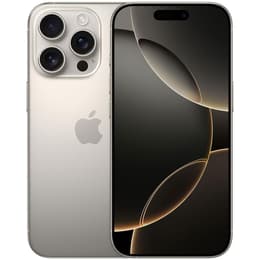
iPhone 16 Pro
iPhone 16 Pro
Starting at

Refurbished price:A$1,134.00

Versus A$1,999.00 new

See options

Ratings

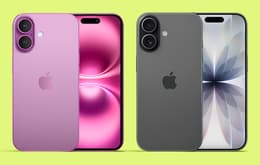
The iPhone 16 Plus and iPhone 16 Pro, both released in September 2024, represent distinct offerings within Apple's smartphone lineup. While sharing a foundational design and the latest operating system, iOS 26, they cater to different user priorities through variations in display technology, camera capabilities, and internal processing power. The iPhone 16 Plus emphasizes a larger display for immersive viewing, whereas the iPhone 16 Pro focuses on advanced photographic tools and enhanced performance for demanding tasks.

Scores

Durability

Both the iPhone 16 Plus and iPhone 16 Pro benefit from Apple's consistent software support, ensuring a practical lifespan of several years. As devices released in September 2024, they are currently running iOS 26.4 and are expected to receive major operating system updates for approximately five to six years from their launch date, providing long-term access to new features and security enhancements.

  • Software Longevity: Users can anticipate continued software support and security updates for an extended period, typically ensuring functionality and compatibility with new applications for half a decade or more.
  • Build and Materials: The iPhone 16 Plus features an aluminum frame, while the iPhone 16 Pro utilizes a titanium frame, offering a difference in material feel and potential resistance to daily wear. Both models incorporate a Ceramic Shield front cover, contributing to display durability.
  • Repairability: While specific repairability scores can vary, Apple has generally focused on improving the ease of repair for its devices, which can contribute to their overall practical lifespan.

Release year

2024

2024

Compatible with latest Update

Yes

Yes

Foldable

No

No

Performance

The iPhone 16 Plus and iPhone 16 Pro are equipped with different processors, leading to variations in how they handle various tasks, particularly those requiring significant computational power.

  • Processing Power: The iPhone 16 Plus is powered by the A18 chip, while the iPhone 16 Pro features the A18 Pro chip. The A18 Pro includes an enhanced Neural Engine and a more capable GPU, which translates to smoother performance for intensive applications, advanced AI features, and graphically demanding games.
  • Multitasking and Responsiveness: Both models come with 8GB of RAM, allowing for efficient multitasking and quick app switching. However, the Pro model's more advanced processor may offer a slight edge in maintaining responsiveness during prolonged heavy use or when running multiple complex applications simultaneously.
  • Battery Behavior: The iPhone 16 Plus has a larger battery capacity at 4,674 mAh compared to the iPhone 16 Pro's 3,582 mAh. This difference typically results in the iPhone 16 Plus offering longer battery life for general usage, with Apple claiming up to 27 hours of video playback for the Plus model.

Memory (GB)

8 GB

8 GB

Screen quality

Both devices feature Super Retina XDR OLED displays, providing vibrant colors and deep blacks, but they differ in size and advanced display technologies.

  • Display Size and Resolution: The iPhone 16 Plus offers a larger 6.7-inch display with a 2796x1290 resolution, while the iPhone 16 Pro has a 6.3-inch display with a 2622x1206 resolution. Both maintain a pixel density of approximately 460 pixels per inch, ensuring sharp text and images.
  • Refresh Rate and Smoothness: A key distinction is the refresh rate. The iPhone 16 Plus features a standard 60Hz refresh rate, suitable for everyday use. The iPhone 16 Pro, however, includes ProMotion technology, offering an adaptive refresh rate up to 120Hz. This results in noticeably smoother scrolling, more fluid animations, and a more responsive feel, particularly in fast-paced content or gaming.
  • Brightness and Features: Both models achieve a typical maximum brightness of 1000 nits and a peak outdoor brightness of 2000 nits, ensuring good visibility in various lighting conditions. The iPhone 16 Pro also includes an Always-On display feature, which the iPhone 16 Plus does not.

Resolution

1290 x 2796

1206 x 2622

Screen type

Super Retina XDR OLED

LTPO Super Retina XDR OLED

Audiovisual

The camera systems are a significant area of differentiation, with the iPhone 16 Pro offering a more versatile and advanced setup for photography and videography enthusiasts.

  • Main and Ultra Wide Cameras: Both devices feature a 48MP main camera capable of capturing detailed images and utilizing a 2x telephoto effect by cropping the sensor. The iPhone 16 Plus has a 12MP Ultra Wide camera, while the iPhone 16 Pro upgrades to a 48MP Ultra Wide camera, which is optimized for better low-light performance and offers more flexibility for cropping.
  • Telephoto and Zoom Capabilities: The iPhone 16 Pro includes a dedicated 12MP telephoto lens with 5x optical zoom, a feature previously exclusive to the larger Pro Max models. The iPhone 16 Plus relies on digital zoom from its main sensor for magnification beyond 2x.
  • Video and Advanced Features: Both support Spatial Video capture, enabled by their vertical camera array. The iPhone 16 Pro further enhances video capabilities with support for 4K video recording at up to 120 frames per second and includes a LiDAR scanner, which assists with autofocus in low light and enables advanced augmented reality applications.

Main camera

48 megapixels

48 megapixels

Front camera

12 megapixels

12 megapixels

Miscellaneous

Beyond core specifications, several practical elements contribute to the overall user experience and distinguish these two models.

  • Connectivity: The iPhone 16 Pro supports the newer Wi-Fi 7 standard and features a faster 5G modem, potentially offering quicker wireless speeds and more reliable cellular connections in compatible networks. The iPhone 16 Plus likely supports Wi-Fi 6E.
  • Physical Design and Buttons: Both models incorporate the Action Button, which can be customized for various functions, and a new Capture Button, designed to enhance the photography experience with quick access and gesture support for zoom and focus. The iPhone 16 Pro features a titanium frame, while the iPhone 16 Plus uses an aluminum frame.
  • Dimensions and Handling: The iPhone 16 Plus, with its 6.7-inch display, is physically larger than the 6.3-inch iPhone 16 Pro. This difference impacts one-handed usability and pocketability, with the Plus offering a more expansive viewing area and the Pro being slightly more compact.

Weight

199 oz

199 oz

Screen size (in)

6.7

6.3

Network

5G

5G

SIM card

Physical SIM + eSIM

Physical SIM + eSIM

Carrier compatibility

Unlocked

Unlocked

Connector

USB-C (USB 2)

USB-C (USB 3)

The iPhone 16 Plus and iPhone 16 Pro, both released in September 2024, offer distinct advantages depending on user needs. Users frequently praise the iPhone 16 Plus for its larger display and extended battery life, making it a strong contender for those who prioritize media consumption and prolonged usage without frequent charging. Some users, however, note its 60Hz display as a point of comparison against the smoother experience of Pro models. The iPhone 16 Pro is often lauded for its advanced camera system, including the telephoto lens and improved Ultra Wide camera, as well as its ProMotion display and more powerful processor, which are beneficial for creative professionals and mobile gamers. Criticisms sometimes point to its slightly smaller screen compared to the Plus model, though its overall performance and feature set are generally well-received.

Users prioritizing an expansive screen for entertainment and longer battery endurance for daily tasks may find the iPhone 16 Plus well-suited to their needs. Conversely, individuals who require a more sophisticated camera for photography and videography, desire the fluidity of a high refresh rate display, and benefit from enhanced processing power for demanding applications will likely lean towards the iPhone 16 Pro. Both devices offer a robust smartphone experience, and for those considering a sustainable choice, quality-assured refurbished options for either model provide an eco-friendly alternative.
See all articles

Our recent comparisons