
Compare models

Galaxy A56 vs iPhone 16 Pro

  • 1-year warranty
  • Free standard shipping
  • Free 30-day returns
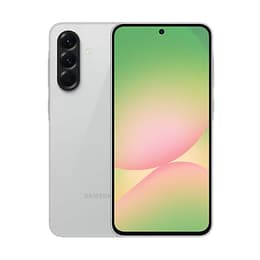
Galaxy A56
Starting at

Refurbished price:A$384.00

Versus A$699.00 new

See options
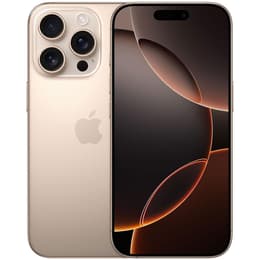
iPhone 16 Pro
Starting at

Refurbished price:A$1,063.20

Versus A$1,799.00 new

See options

Differences at a glance

The Samsung Galaxy A56 (2025) and the Apple iPhone 16 Pro (2024) represent different segments of the smartphone market, catering to distinct user preferences and software ecosystems. While the Galaxy A56 runs on the Android operating system with Samsung's custom interface, the iPhone 16 Pro operates on Apple's iOS platform. The primary differentiators between these two devices lie in their software ecosystems, processing philosophy, and target positioning, offering unique experiences for everyday users and technology enthusiasts alike.

Available Models

Colour

Storage (GB)

Scores

Durability

When examining longevity, both smartphones are built to receive extended manufacturer support, though their update cycles and hardware frameworks differ.

  • Software Support: Both devices offer long-term software update commitments, ensuring years of security updates and operating system upgrades, with Apple traditionally supporting devices for extended periods and Samsung providing multi-year updates for its recent mid-to-high tier models.
  • Repairability and Build: Both handsets feature sturdy glass and metal constructions that adhere to modern durability standards, though structural repairability scores vary depending on official component availability and modular internal layout designs.
  • Expected Lifespan: Practical longevity for both models remains high, allowing daily tasks, web browsing, and media consumption to run smoothly for several years under normal conditions, with quality-assured refurbished options providing a sustainable choice that extends the active lifecycle of these electronics.

Release year

2025

2024

Foldable

No

No

Performance

Performance capabilities vary noticeably across both handsets, influencing how smoothly demanding applications and multitasking operate under heavy workloads.

  • Multitasking and App Loading: Both devices handle daily tasks, social media applications, and web browsing smoothly, though the high-end processing architecture in the iPhone 16 Pro provides additional headroom for demanding mobile games and heavy editing software.
  • Storage and Memory: Various configuration options allow users to select appropriate storage capacities for media libraries and applications, supported by sufficient system memory to keep multiple background processes active without unexpected closures.
  • Battery Behavior: Battery optimization across both platforms manages power efficiently during typical daily use, allowing users to transition through a standard workday of messaging, browsing, and media streaming before requiring a recharge.

Screen quality

Display characteristics define the visual experience of each device, impacting clarity, outdoor visibility, and motion smoothness.

  • Display Technology: Both models utilize vibrant OLED display technology that delivers deep black levels, high contrast ratios, and vivid color reproduction for videos, photos, and general interface navigation.
  • Brightness and Outdoors: High peak brightness capabilities on both screens ensure that text and images remain legible even under direct sunlight, making outdoor viewing comfortable for navigation and reading.
  • Refresh Rate and Size: Smooth refresh rates contribute to fluid scrolling through menus and web pages, while screen dimensions vary slightly to accommodate different preferences for one-handed handling versus expansive media consumption areas.

Resolution

1080x2340

1206 x 2622

Audiovisual

Camera systems on these smartphones offer versatile options for capturing everyday moments, landscapes, and video content.

  • Lens Configurations: Both devices feature multi-lens setups, including main and ultra-wide capabilities, allowing users to switch perspectives easily depending on the framing requirements of the scene.
  • Low-Light and Video: Image processing software manages low-light conditions effectively to reduce noise, while video recording features stable footage and clear audio capture suited for vlogs or personal memories.
  • Media and Audio Output: Integrated stereo speakers deliver clear sound quality for hands-free calls, video playback, and casual music listening without requiring external accessories.

Miscellaneous

Practical physical and connectivity features shape the daily handling and versatility of each smartphone.

  • Connectivity Standards: Both models support modern 5G cellular networks, high-speed Wi-Fi standards, and Bluetooth connections for reliable pairing with wireless headphones and accessories.
  • Ports and Biometrics: The devices use reversible charging port standards alongside secure biometric authentication methods, including facial recognition or fingerprint scanning, to safeguard personal data.
  • Physical Dimensions: Weight and ergonomic form factors differ slightly, affecting how each phone rests in the hand or pocket during daily travel and active use.

Weight

198 oz

199 oz

Screen size (in)

6.7

6.3

Network

5G

5G

SIM card

Physical SIM + eSIM

eSIM

Carrier compatibility

Unlocked

Unlocked

What the community thinks

User discussions across community forums highlight distinct praises and concerns for each device. Owners of the Galaxy A56 frequently appreciate its balanced daily performance, reliable screen clarity, and integration into the broader Android environment. Meanwhile, users of the iPhone 16 Pro often praise its robust build materials, streamlined software experience, and powerful processing headroom for demanding tasks. Common criticisms for both models occasionally involve high-end pricing for brand-new units and occasional warmth during extended gaming sessions, though these factors depend heavily on individual usage habits.

Users prioritizing seamless integration within the Apple ecosystem and advanced processing power for creative tasks may prefer the iPhone 16 Pro, while users seeking a dependable Android interface with everyday reliability will find the Galaxy A56 well-suited to their needs. Eco-conscious buyers looking for an environmentally friendly alternative can explore quality-assured refurbished options to make a sustainable choice without compromising on functional capability. Ultimately, selecting the right device depends on aligning specific personal preferences with the unique strengths of each smartphone platform.