
iPhone 12 vs iPhone XS Max

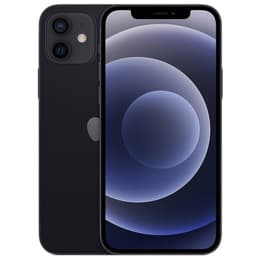
iPhone 12
iPhone 12
Starting at

Refurbished price:A$303.00

Versus A$1,129.00 new

See options
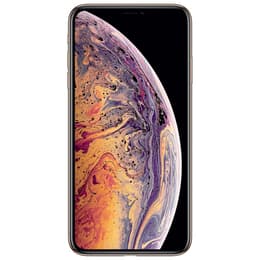
iPhone XS Max
iPhone XS Max
Starting at

Refurbished price:A$308.00

Versus A$1,149.00 new

See options

Ratings

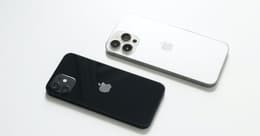
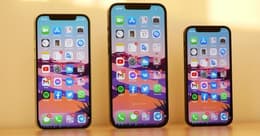
The iPhone 12, released in 2020, and the iPhone Xs Max, launched in 2018, represent different generations of Apple's smartphone technology. While both devices operate on Apple's iOS ecosystem, the iPhone 12 introduces a more modern design, an updated processor, and enhanced camera capabilities compared to its predecessor. These differences cater to varying user priorities, from performance demands to photographic needs.

Scores

Durability

When considering the longevity of these devices, several factors come into play, including their release timelines, software support, and physical durability.

  • Release Timeline: The iPhone Xs Max was released in September 2018, making it two years older than the iPhone 12, which launched in October 2020. This age difference directly impacts the duration of software support each device can expect.
  • Software Longevity: The iPhone Xs Max, originally shipping with iOS 12, has received updates up to iOS 18. The iPhone 12, starting with iOS 14, is compatible with iOS 18 and is expected to receive updates for a longer period, potentially up to iOS 26. Users prioritizing the latest software features and security updates will find the iPhone 12 offers a longer runway.
  • Physical Durability: The iPhone 12 features a Ceramic Shield front cover, which offers improved drop performance compared to the glass on the iPhone Xs Max. Both devices carry an IP68 rating for water and dust resistance, but the iPhone 12 is rated for a maximum depth of 6 meters for up to 30 minutes, while the iPhone Xs Max is rated for 2 meters for the same duration. Repairability scores from iFixit indicate that the iPhone 12 has a score of 6 out of 10, similar to previous models, with some challenges related to parts serialization.

Release year

2020

2018

Compatible with latest Update

Yes

Yes

Operating system

iOS

iOS

Foldable

No

No

Performance

The internal components of a smartphone significantly influence its responsiveness and ability to handle demanding applications. Both devices offer capable performance for everyday tasks, but the newer model benefits from advancements in processing technology.

  • Processing Power: The iPhone 12 incorporates a newer generation processor, which translates to faster app loading times, smoother multitasking, and more efficient handling of graphics-intensive games and applications. This newer processor also contributes to improved power efficiency. The iPhone Xs Max, while still capable, relies on an older generation processor that provides a solid user experience for general use and many applications.
  • Battery Behavior: The iPhone Xs Max has a larger battery capacity at 3174 mAh, compared to the iPhone 12's 2815 mAh. In real-world usage, the iPhone Xs Max often provides a full day of moderate to heavy use, with some reports indicating 10-12 hours of moderate use. The iPhone 12's battery life can be impacted by 5G usage, with tests showing around 8 hours and 25 minutes on 5G compared to over 10 hours on 4G for web browsing. However, its more efficient processor can help optimize battery consumption for other tasks.
  • Storage and Multitasking: Both models offer 4GB of RAM, which is sufficient for managing multiple applications simultaneously and ensuring a fluid user experience. Storage options for the iPhone 12 include 64GB, 128GB, and 256GB, while the iPhone Xs Max was available with 64GB, 256GB, and 512GB.

Memory (GB)

4 GB

4 GB

Screen quality

The visual experience on a smartphone is largely defined by its display, and both the iPhone 12 and iPhone Xs Max feature high-quality OLED panels, though with some distinctions.

  • Display Technology and Size: Both devices utilize OLED technology, offering deep blacks and vibrant colors. The iPhone Xs Max boasts a larger 6.5-inch Super Retina HD display, providing a more expansive viewing area. The iPhone 12 features a 6.1-inch Super Retina XDR display.
  • Resolution and Clarity: The iPhone Xs Max has a resolution of 2688x1242 pixels at 458 ppi. The iPhone 12 offers a resolution of 2532x1170 pixels at 460 ppi. Both provide sharp and clear visuals for text and images.
  • Brightness and HDR: Both displays support HDR content, but the iPhone 12 offers a higher peak brightness of 1200 nits for HDR content, compared to the iPhone Xs Max's 625 nits. This can result in a more impactful HDR viewing experience on the iPhone 12, especially in bright conditions.

Resolution

1170 x 2532

1242 x 2688

Screen type

Super Retina XDR OLED

Super Retina OLED

Audiovisual

Camera capabilities are a significant consideration for many users, and both iPhones deliver strong photographic and videographic performance, with the iPhone 12 benefiting from newer advancements.

  • Rear Camera System: The iPhone Xs Max features a dual 12MP camera system with a wide-angle (ƒ/1.8) and a telephoto (ƒ/2.4) lens, offering 2x optical zoom and up to 10x digital zoom. The iPhone 12 also has a dual 12MP system, but with a wider ƒ/1.6 aperture for its main lens and an ultra-wide (ƒ/2.4) lens, providing 2x optical zoom out and up to 5x digital zoom. The iPhone 12 introduces Night mode, Deep Fusion, and Smart HDR 3, which enhance low-light performance and image processing.
  • Front Camera: The iPhone Xs Max has a 7MP front-facing camera with an ƒ/2.2 aperture. The iPhone 12 upgrades this to a 12MP front camera with an ƒ/2.2 aperture, also featuring Night mode, Deep Fusion, and Smart HDR 3, along with HDR video recording with Dolby Vision.
  • Video Recording: Both devices are capable of 4K video recording at up to 60 frames per second. The iPhone 12 further enhances video with HDR recording with Dolby Vision at up to 4K at 30 frames per second, offering improved dynamic range in videos.

Main camera

12 megapixels

12 megapixels

Front camera

12 megapixels

7 megapixels

Miscellaneous

Beyond the core specifications, several other features contribute to the overall user experience and practical utility of these smartphones.

  • Connectivity: A key difference is the iPhone 12's support for 5G cellular networks, offering faster download and upload speeds in compatible areas, alongside Wi-Fi 6. The iPhone Xs Max supports Gigabit LTE and Wi-Fi 5 (802.11ac). Both include Bluetooth 5.0 for wireless accessories.
  • Physical Design and Handling: The iPhone 12 features a flat-edged design, reminiscent of older iPhone models, and is lighter at 164 grams and slightly thinner at 7.4 mm. The iPhone Xs Max has a more rounded frame, weighing 208 grams and measuring 7.7 mm thick. The larger size of the Xs Max might appeal to users who prefer a more substantial device for media consumption, while the iPhone 12 offers a more compact and lighter feel.
  • Ports and Sensors: Both devices rely on the Lightning port for charging and data transfer. They both feature Face ID for secure authentication. The iPhone Xs Max includes 3D Touch, a pressure-sensing technology, which was replaced by Haptic Touch on the iPhone 12.

Weight

164 oz

208 oz

Screen size (in)

6.1

6.5

Network

5G

4G

SIM card

Physical SIM + eSIM

Physical SIM + eSIM

Carrier compatibility

Unlocked

Unlocked

Connector

Lightning

Lightning

The iPhone 12 and iPhone Xs Max cater to slightly different user needs, primarily due to their release dates and the technological advancements introduced in the intervening years. Users frequently praise the iPhone Xs Max for its large, vibrant OLED display and solid battery life for its generation, often noting its suitability for media consumption and general daily tasks. Some users, however, have expressed concerns about its eventual software update cycle ending sooner than newer models.

The iPhone 12, on the other hand, is often lauded for its improved camera system, particularly the inclusion of Night mode and enhanced video capabilities, as well as its more modern design and the addition of 5G connectivity. Some users have noted that its battery performance, especially when consistently using 5G, can be a point of consideration.

For individuals who prioritize a larger screen for media and a device that still performs well for everyday applications, the iPhone Xs Max remains a capable option. Its established performance and display size make it a suitable choice for those who value screen real estate. Conversely, users who desire the latest camera features, faster cellular connectivity, a more current design, and a longer period of software support will find the iPhone 12 to be a more aligned choice. Both models offer a reliable Apple experience, and opting for a quality-assured refurbished option can be an eco-friendly alternative for either device, extending their useful life and reducing electronic waste.
See all articles

Our recent comparisons