

Compare models

Google Pixel 9 Pro vs Motorola Razr 40 Ultra

  • 1-year warranty
  • Free standard shipping
  • Free 30-day returns
Google Pixel 9 Pro
Starting at

Refurbished price:A$760.00

Versus A$2,205.75 new

See options
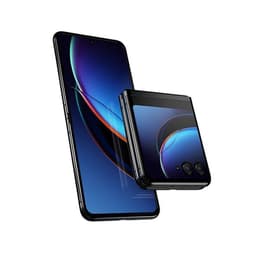
Motorola Razr 40 Ultra
Starting at

Refurbished price:A$540.80

Versus A$2,158.00 new

See options

Differences at a glance

The Google Pixel 9 Pro (2024) and the Motorola Razr 40 Ultra (2023) represent two distinct approaches to modern smartphone engineering, pitting a traditional flagship slab design against a flexible foldable form factor. While both devices deliver powerful everyday computing and modern software experiences, they cater to very different physical preferences and user lifestyles. The Google Pixel 9 Pro runs on stock Android with an emphasis on advanced artificial intelligence features, whereas the Motorola Razr 40 Ultra utilizes a foldable display structure designed for compact portability and expansive outer screen utility.

Available Models

Colour

Storage (GB)

Scores

Durability

When evaluating longevity and structural updates, these two models follow distinct timelines reflecting their release years and hardware categories.

  • Software Support: The Google Pixel 9 Pro benefits from an extended multi-year commitment for operating system and security updates, while the Motorola Razr 40 Ultra features a shorter remaining software support window due to its earlier release date.
  • Repairability and Build: Traditional slab devices like the Pixel generally offer more straightforward maintenance paths compared to foldable mechanisms like the Razr, which require specialized hinge care over extended periods of heavy folding use.
  • Expected Lifespan: Both models provide sufficient internal hardware headroom for daily tasks, though the Pixel's longer software update schedule supports extended utility for users retaining devices for many years.

Release year

2024

2023

Performance

Underneath their exteriors, both smartphones handle demanding mobile applications, multitasking, and casual gaming smoothly, though they manage power and memory resources differently.

  • Multitasking and Memory: The Google Pixel 9 Pro relies on generous random access memory allocation to keep numerous background applications active simultaneously, whereas the Motorola Razr 40 Ultra pairs its processing power with optimized software to ensure fluid task switching.
  • Battery Behavior: The Pixel's traditional battery capacity comfortably handles a full day of standard mixed usage, while the Razr's smaller foldable cell may require more frequent recharges during heavy media consumption or intensive outer screen interaction.
  • Storage Configurations: Both devices offer ample internal storage tiers for apps, photos, and media files, though neither supports expandable storage via memory cards.

Screen quality

Display technology is a primary differentiator between these two models, contrasting a standard high-brightness panel with an innovative folding layout.

  • Display Technology: The Google Pixel 9 Pro features a flat, vibrant organic light-emitting diode panel optimized for outdoor peak brightness and color accuracy, while the Motorola Razr 40 Ultra deploys a flexible folding screen complemented by an expansive, functional outer cover display.
  • Refresh Rates: Both phones incorporate high refresh rate technology reaching up to 120Hz or higher for smooth scrolling through web pages, animations, and user interface elements.
  • Viewing Experience: The Pixel offers a traditional, crease-free viewing area suited for standard media viewing, whereas the Razr provides a larger unfolded workspace alongside unique folding angles that allow the device to prop itself up on flat surfaces.

Audiovisual

Optics and media capabilities vary significantly, shaped by each manufacturer's approach to hardware configuration and computational photography.

  • Camera Systems: The Google Pixel 9 Pro equips a versatile triple-lens setup including high-resolution main, ultra-wide, and dedicated telephoto sensors for distant subjects, while the Motorola Razr 40 Ultra relies on a dual-lens primary array optimized for everyday framing and creative folding angles.
  • Low-Light and Video: Google utilizes advanced computational processing for consistent low-light clarity and steady video recording, whereas Motorola provides flexible shooting modes that let users leverage the outer screen for self-portraits using the main cameras.
  • Audio Output: Both smartphones deliver clear stereo speaker output suitable for hands-free calls, podcasts, and casual video playback without requiring external accessories.

Miscellaneous

Practical daily elements such as connectivity, physical dimensions, and security features highlight distinct ergonomic choices.

  • Biometric Security: The Pixel utilizes a responsive in-display fingerprint sensor alongside facial recognition, while the Razr places its fingerprint reader conveniently on the side power button.
  • Portability and Form Factor: The Pixel provides a sturdy, pocket-friendly slab structure with robust water resistance ratings, whereas the Razr folds neatly in half to take up minimal space in a pocket or small bag.
  • Connectivity: Both models support modern wireless standards including 5G connectivity, fast Wi-Fi protocols, and Bluetooth for pairing with wireless accessories.

Screen size (in)

6.3

6,9

Network

5G

5G

SIM card

Physical SIM + eSIM

Physical SIM

Carrier compatibility

Unlocked

Unlocked

What the community thinks

Choosing between the Google Pixel 9 Pro and the Motorola Razr 40 Ultra depends entirely on personal workflow preferences and hardware priorities. Users prioritizing a conventional, durable slab layout with advanced software longevity, extended update support, and a robust telephoto camera system will find the Google Pixel 9 Pro well-suited to their daily routines. Conversely, users prioritizing compact pocketability, innovative folding mechanics, and a large interactive outer cover screen for quick messaging will lean toward the Motorola Razr 40 Ultra.

Opting for a quality-assured refurbished option through sustainable platforms like Back Market provides an eco-friendly alternative that extends device lifecycles while delivering fully tested technology. Assessing whether a traditional flagship experience or a folding form factor better aligns with your lifestyle will guide your final decision without any need for compromise on core daily performance.