Compare models

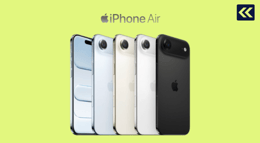
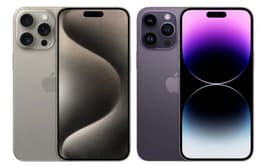
iPhone 15 Plus vs iPhone Air

  • 1-year warranty
  • Free standard shipping
  • Free 30-day returns
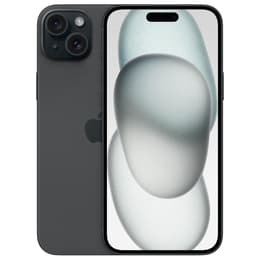
iPhone 15 Plus
Starting at

Refurbished price:A$698.00

Versus A$1,399.00 new

See options
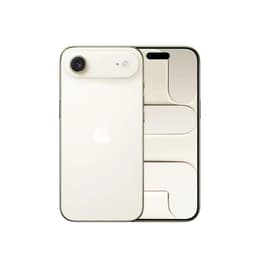
iPhone Air
Starting at

Refurbished price:A$1,099.00

Versus A$1,899.00 new

See options

Differences at a glance

The iPhone 15 Plus (2023) and the iPhone Air (2025) represent two distinct approaches to larger-screen smartphone design within Apple's lineup. While the iPhone 15 Plus focuses on traditional durable framing and long-lasting battery capacity, the iPhone Air introduces an ultra-slim chassis and modern processing hardware. Both devices run on iOS, though their release years and physical design philosophies create entirely different everyday user experiences.

Available Models

Colour

Storage

Scores

Durability

When evaluating longevity and structural robustness, these two devices reflect different generations of hardware support and materials. Choosing a quality-assured refurbished option provides a sustainable way to access either model while extending device lifecycles.

  • Release timeline and software support: The iPhone 15 Plus launched in 2023, whereas the iPhone Air arrived in 2025, meaning the newer model naturally extends software update coverage by two additional years.
  • Repairability and build resilience: Both handsets feature glass backs and robust front shielding, though their internal layout designs differ significantly due to the extreme thinness of the newer model.
  • Expected practical lifespan: Both smartphones easily handle routine daily demands for years, but the newer processor architecture in the 2025 model provides a slight advantage for long-term software compatibility.

Release year

2023

2025

Compatible with latest Update

Yes

Yes

Operating system

iOS

iOS

Foldable

No

No

Performance

Day-to-day speed and power efficiency vary between the two choices based on their internal hardware generations and multitasking capabilities.

  • Multitasking and responsiveness: The iPhone Air handles demanding applications and heavy multitasking with greater smoothness thanks to its advanced processor generation and larger memory capacity.
  • Battery behavior: The iPhone 15 Plus relies on a significantly larger physical footprint to deliver extensive battery staying power, whereas the thinner profile of the iPhone Air necessitates a more compact power cell.
  • Storage configurations: Both models offer ample storage starting tiers, ensuring smooth handling of large photo libraries, local video storage, and application caching.

Screen quality

Both smartphones feature bright OLED panels, but they differ noticeably in physical dimensions, peak luminance capabilities, and refresh rate smoothness.

  • Display technology and refresh rate: The iPhone Air introduces an adaptive refresh rate reaching up to 120Hz for fluid scrolling, while the iPhone 15 Plus relies on a standard 60Hz refresh rate.
  • Outdoor visibility: The iPhone Air achieves higher peak outdoor brightness levels, making glanceable content easier to read under direct sunlight compared to its predecessor.
  • Screen dimensions: The iPhone 15 Plus offers a slightly larger 6.7-inch viewing area, whereas the iPhone Air opts for a more compact 6.5-inch panel housed within a much lighter frame.

Resolution

1290 x 2796

2736x1260

Screen type

Super Retina XDR OLED

Super Retina XDR

Audiovisual

Photography and media consumption setups differ fundamentally, shifting between a versatile dual-lens array and a streamlined single-lens philosophy.

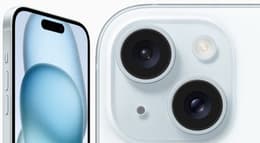
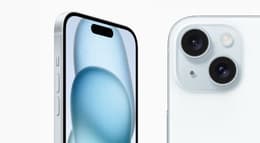
  • Camera hardware approach: The iPhone 15 Plus provides a flexible dual-camera setup with both main and ultra-wide lenses, while the iPhone Air concentrates its imaging capabilities into a single high-resolution main camera system.
  • Video and low-light capture: Both devices excel at recording stable, high-resolution video and capturing sharp low-light photographs using advanced computational photography engines.
  • Media consumption: The larger display estate of the iPhone 15 Plus pairs with robust stereo audio output, whereas the iPhone Air features a streamlined mono speaker arrangement due to its thin profile.

Main camera

48 megapixels

48 megapixels

Front camera

12 megapixels

18 megapixels

Miscellaneous

Practical daily handling, physical dimensions, and port connectivity highlight the contrasting engineering goals of each device.

  • Weight and physical handling: The iPhone Air prioritizes an ultra-lightweight and remarkably thin construction at 5.6 mm, contrasting with the heavier, traditional build of the iPhone 15 Plus.
  • Port connectivity: Both models incorporate universal USB-C connectivity for charging and data transfers, aligning with modern accessory standards.
  • Durability ratings: Both smartphones carry high dust and water resistance ratings, ensuring reliable protection against accidental spills and outdoor exposure.

Weight

201 oz

165 oz

Screen size (in)

6.7

6.5

Network

5G

5G

SIM card

Physical SIM + eSIM

eSIM

Carrier compatibility

Unlocked

Unlocked

Connector

USB-C (USB 2)

USB-C

What the community thinks

User discussions across community forums frequently highlight the iPhone 15 Plus for its reliable battery endurance and spacious display, making it a popular choice for media consumption and uninterrupted daily use. At the same time, contributors frequently praise the iPhone Air for its groundbreaking lightweight feel and modern display fluidity, though some users note compromises regarding speaker configuration and battery capacity due to the ultra-thin chassis.

Users prioritizing maximum battery longevity and a traditional screen size may prefer the iPhone 15 Plus, while users prioritizing physical lightness, a streamlined profile, and a fluid high-refresh-rate display will lean toward the iPhone Air. Selecting a quality-assured refurbished option from Back Market allows consumers to make an eco-friendly choice aligned with their personal workflow preferences.