
iPad 10 (2022, A14 series) vs iPad mini 7 (2024, A17 series)

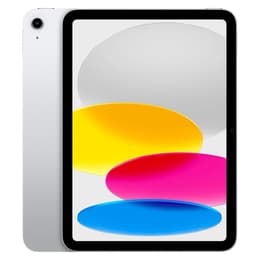
iPad 10 (2022, A14 series)
Starting at

Refurbished price:A$419.00

Versus A$599.00 new

See options
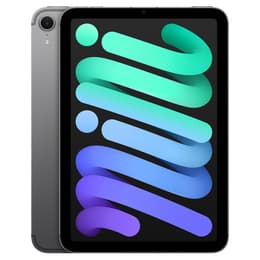
iPad mini 7 (2024, A17 series)
Starting at

Refurbished price:A$1,400.00

Versus A$1,579.00 new

See options

Ratings

The iPad (10th generation), released in October 2022, and the iPad mini (7th generation), launched in October 2024, represent distinct approaches to Apple's tablet lineup. While both run on iPadOS and offer a versatile tablet experience, they cater to different user needs primarily through their size and processing power. The iPad (10th generation) provides a larger display for general use, whereas the iPad mini (7th generation) prioritizes portability and features a more recent, powerful processor.

Scores

Durability

When considering the practical lifespan of these devices, several factors come into play, including their release timelines and expected software support.

  • Release Timeline: The iPad (10th generation) was released in October 2022, while the iPad mini (7th generation) followed in October 2024. This two-year difference means the iPad mini (7th generation) will likely receive software updates for a longer period.
  • OS Support Duration: Apple typically provides iPadOS updates for 5-7 years, with security updates extending even further. Given its newer release, the iPad mini (7th generation) is expected to receive feature updates for a longer duration, potentially extending its usable life by a couple of years compared to the iPad (10th generation).
  • Repairability: Both devices are designed with Apple's ecosystem in mind, and repairability scores are generally similar across iPad models. Users can expect access to parts and service for a considerable time, contributing to their overall practical lifespan.

Release year

2022

2024

Compatible with latest Update

Yes

Yes

Operating system

iPadOS

iPadOS

Minimum system requirements (iPadOS)

iPadOS 18

iPadOS 18

Performance

The performance of these two iPads is a key differentiator, largely due to the generation of their internal processing units.

  • Processing Power: The iPad (10th generation) is equipped with an A14 Bionic chip, which handles everyday tasks, multitasking, and many demanding applications smoothly. The iPad mini (7th generation), however, features a more advanced A17 Pro chip, offering a significant boost in processing capabilities.
  • Real-world Usage: For general browsing, media consumption, and light productivity, both devices offer a responsive experience. However, users engaging in more intensive tasks such as advanced gaming, video editing, or running multiple complex applications simultaneously will notice the performance gains of the iPad mini (7th generation)'s newer chip. The A17 Pro chip also enables advanced features like Apple Intelligence.
  • Multitasking and Storage: Both models offer various storage options, and their respective processors efficiently manage memory for smooth app switching. The iPad mini (7th generation) starts with a higher base storage option and includes more RAM, which further enhances its multitasking capabilities and overall responsiveness.

Memory (GB)

4 GB

8 GB

Processor

Apple A14 Bionic

Apple A17 Pro

Screen quality

The display experience on these two tablets differs primarily in size and subtle technological enhancements.

  • Display Technology and Size: The iPad (10th generation) features a 10.9-inch Liquid Retina IPS LCD display, providing a larger canvas suitable for media consumption and productivity. The iPad mini (7th generation) comes with a more compact 8.3-inch Liquid Retina IPS LCD display, making it highly portable.
  • Resolution and Clarity: Both displays offer sharp visuals with high pixel densities, ensuring text and images appear clear. The iPad (10th generation) has a resolution of 2360 x 1640 pixels, while the iPad mini (7th generation) has 2266 x 1488 pixels. Both maintain 500 nits of brightness, suitable for various lighting conditions.
  • Viewing Experience: While neither features a high refresh rate, both provide a smooth visual experience for typical tablet use. The larger screen of the iPad (10th generation) is more immersive for videos and split-screen multitasking, whereas the iPad mini (7th generation)'s smaller size offers a more comfortable one-handed reading and gaming experience.

Resolution

2360 x 1640

2266 x 1488

True Tone

Yes

Yes

Promotion

No

No

Screen type

Liquid Retina display

Liquid Retina display

Pixel density

264ppp

326ppp

Brightness

500 nits brightness

500 nits brightness

Sound quality

Speakers

Stereo speakers

Stereo speakers (landscape)

Audiovisual

Both iPads are equipped with capable camera systems designed for everyday use, video calls, and document scanning, though the newer model benefits from enhanced processing.

  • Camera System: Both devices feature a 12MP wide rear camera and a 12MP ultra-wide front camera with Center Stage, which keeps subjects in frame during video calls.
  • Photography Performance: The iPad (10th generation) captures detailed photos and supports 4K video recording. The iPad mini (7th generation), while having similar camera hardware, benefits from the A17 Pro chip's advanced image signal processor, which enhances photo quality, particularly in challenging lighting conditions, and supports Smart HDR 4.
  • Video Recording and Audio: Both offer solid video recording capabilities. For audio, both include stereo speakers, providing a decent sound experience for media consumption and video calls. The iPad mini (7th generation) also features an updated True Tone flash for improved low-light photography and document scanning.

Miscellaneous

Beyond core performance and display, several practical elements differentiate these two iPad models.

  • Connectivity: The iPad (10th generation) supports Wi-Fi 6 and Bluetooth 5.2, with optional 5G connectivity. The iPad mini (7th generation) steps up with Wi-Fi 6E and Bluetooth 5.3, offering faster and more reliable wireless connections.
  • Port Types and Sensors: Both devices utilize a USB-C port for charging and accessories. They also feature Touch ID integrated into the top button for secure authentication. The iPad mini (7th generation) offers faster USB-C port speeds.
  • Dimensions and Handling: The iPad (10th generation) measures 248.6 x 179.5 x 7 mm and weighs around 477g (Wi-Fi model), providing a substantial feel and a larger screen area. The iPad mini (7th generation) maintains a more compact form factor, similar to its predecessor, making it highly portable and comfortable for extended one-handed use.
  • Apple Pencil Support: The iPad (10th generation) supports the Apple Pencil (1st generation) and Apple Pencil (USB-C). The iPad mini (7th generation) supports the Apple Pencil Pro and Apple Pencil (USB-C).

Weight

477 oz

293 oz

Width

17.95 in

13.48 in

Height

24.86 in

19.54 in

Depth

0.7 in

0.63 in

Screen size (in)

10.9

8.3

Network

Wi-Fi

Wi-Fi + 5G

Carrier compatibility

Without SIM Port

Unlocked

Wi-Fi version

Wi-Fi 6 802.11ax

Wi-Fi 6 802.11ax

Bluetooth version

Bluetooth 5.2

Bluetooth 5.3

Face ID

No

No

Touch ID

Yes

Yes

Connector

USB Type-C

USB Type-C

Choosing between the iPad (10th generation) and the iPad mini (7th generation) ultimately depends on individual priorities and how the device will be integrated into daily life. Users frequently praise the iPad (10th generation) for its larger display, which is well-suited for general media consumption, casual gaming, and productivity tasks that benefit from more screen real estate. It is often seen as a versatile option for students and those who need a capable tablet without the highest-end performance.

Conversely, the iPad mini (7th generation) receives acclaim for its exceptional portability and significantly upgraded processing power. Users appreciate its compact size for reading, note-taking on the go, and as a powerful, pocketable device for demanding applications and advanced gaming. Its newer chip also ensures a longer period of software support and access to the latest features, including Apple Intelligence. Some users might express concerns about the iPad (10th generation)'s older processor compared to newer models, while the iPad mini's smaller screen might be a limitation for those who prefer a larger viewing area.

Users prioritizing a larger screen for immersive content and a balanced performance for everyday tasks may find the iPad (10th generation) well-suited to their needs. On the other hand, users who value ultimate portability, cutting-edge performance in a compact form factor, and a longer future-proofed device will likely lean towards the iPad mini (7th generation). Both devices are available as quality-assured refurbished options, providing an eco-friendly alternative for consumers.
See all articles

Our recent comparisons