
Compare models
iPhone 15 Plus vs iPhone 15 Pro
- 1-year warranty
- Free standard shipping
- Free 30-day returns
Differences at a glance
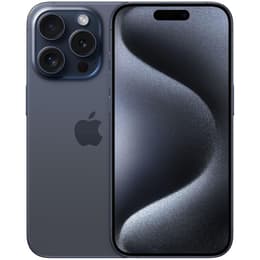
The iPhone 15 Plus and iPhone 15 Pro, both released in September 2023, represent distinct offerings within Apple's smartphone lineup. While they share the same operating system and a modern design, the iPhone 15 Pro introduces a more advanced display, a versatile camera system, and a newer processor, setting it apart from the larger-screened iPhone 15 Plus.
Available Models
Colour
Storage (GB)
Scores
Durability
Both the iPhone 15 Plus and iPhone 15 Pro were released in September 2023, ensuring they benefit from Apple's consistent software update policy for several years. Users can expect both models to receive major iOS updates for approximately 5-6 years from their launch date, providing a long practical lifespan for software support.
- Software Longevity: Both devices are expected to receive iOS updates for a similar duration, with the iPhone 15 Pro potentially receiving support for one year longer due to its slightly more advanced hardware.
- Repairability: Both the iPhone 15 Plus and iPhone 15 Pro feature a design that has seen improvements in repairability compared to earlier generations. While initial assessments varied, subsequent software updates have enhanced the ability to calibrate parts, leading to a repairability score of 7 out of 10 for the iPhone 15 series.
- Build Materials: The iPhone 15 Plus features an aluminum frame with a color-infused glass back, while the iPhone 15 Pro utilizes a more durable titanium frame and a textured matte glass back.
Release year
2023
2023
Compatible with latest Update
Yes
Yes
Operating system
iOS
iOS
Foldable
No
No
Performance
The performance capabilities of the iPhone 15 Plus and iPhone 15 Pro differ primarily due to their internal processing units and RAM configurations.
- Processing Power: The iPhone 15 Plus is equipped with a powerful processor that handles everyday applications and multitasking smoothly, offering a responsive user experience. The iPhone 15 Pro, however, features a newer, more advanced processor designed for demanding tasks, delivering enhanced performance for intensive gaming, professional-grade video editing, and complex applications.
- Multitasking and Storage: The iPhone 15 Pro includes 8GB of RAM, which contributes to smoother multitasking and faster app switching, especially with numerous applications open simultaneously. The iPhone 15 Plus comes with 6GB of RAM, providing ample capacity for typical daily usage. Both models offer various storage options, ranging from 128GB up to 512GB for the Plus, and up to 1TB for the Pro, catering to different user needs for apps, photos, and videos.
- Battery Behavior: The iPhone 15 Plus generally offers extended battery life, with users reporting it can often last almost two full days with moderate usage, making it suitable for users who prioritize longevity between charges. The iPhone 15 Pro provides reliable all-day battery performance for most users, though its smaller physical size and more powerful display technology can result in slightly less overall endurance compared to the Plus model.
Screen quality
Both devices feature Super Retina XDR OLED displays with excellent clarity and vibrant colors, but the iPhone 15 Pro offers additional display technologies.
- Display Technology and Refresh Rate: The iPhone 15 Plus features a 6.7-inch Super Retina XDR OLED display with a standard 60Hz refresh rate, providing a clear and bright viewing experience. The iPhone 15 Pro, with its 6.1-inch Super Retina XDR OLED display, includes ProMotion technology, offering an adaptive refresh rate that can scale up to 120Hz for smoother scrolling and more fluid animations, and down to 1Hz for power efficiency with its Always-On display feature.
- Brightness and Clarity: Both models achieve a peak outdoor brightness of up to 2000 nits, ensuring good visibility even in bright sunlight. They also share a similar pixel density of approximately 460 pixels per inch, resulting in sharp text and detailed images.
- Screen Size and Viewing Experience: The iPhone 15 Plus offers a larger 6.7-inch screen, which is beneficial for media consumption, reading, and users who prefer more screen real estate. The iPhone 15 Pro's 6.1-inch display provides a more compact form factor, making it easier for one-handed use. Both incorporate the Dynamic Island for interactive alerts and activities.
Resolution
1290 x 2796
1179 x 2556
Screen type
Super Retina XDR OLED
LTPO Super Retina XDR OLED
Audiovisual
The camera systems are a significant point of differentiation, with the iPhone 15 Pro offering a more advanced and versatile setup.
- Main Camera System: Both the iPhone 15 Plus and iPhone 15 Pro feature a 48MP main camera that captures detailed 24MP photos by default, with improved low-light performance. The iPhone 15 Pro further enhances this with a larger sensor and a wider aperture, contributing to better image quality in various conditions.
- Zoom and Versatility: The iPhone 15 Plus includes a 12MP Ultra Wide camera and offers a 2x optical quality zoom achieved by cropping the main sensor. The iPhone 15 Pro features a comprehensive 'Pro camera system' that includes a 12MP Ultra Wide lens with macro capabilities and a dedicated 12MP telephoto lens providing 3x optical zoom, allowing for greater flexibility in framing shots and capturing distant subjects with clarity.
- Video and Audio Capabilities: Both models support 4K video recording, but the iPhone 15 Pro offers advanced features like ProRes video recording and Log recording, which are beneficial for professional videographers seeking greater control in post-production. The iPhone 15 Pro also benefits from faster USB-C 3.0 speeds, enabling direct recording to external drives for large video files. Both devices provide quality microphone and speaker output for calls and media consumption.
Main camera
48 megapixels
48 megapixels
Front camera
12 megapixels
12 megapixels
Miscellaneous
Beyond core performance and display, several practical elements distinguish these two iPhone models.
- Connectivity and Ports: Both devices feature a USB-C port, marking a shift from previous generations. However, the iPhone 15 Plus supports USB 2.0 speeds (up to 480Mbps), while the iPhone 15 Pro supports USB 3.0 speeds (up to 10Gbps), offering significantly faster data transfer for large files. Both support 5G, Bluetooth 5.3, and a second-generation Ultra Wideband chip. The iPhone 15 Pro also includes Wi-Fi 6E for potentially faster wireless connections, whereas the iPhone 15 Plus uses Wi-Fi 6.
- Physical Design and Controls: The iPhone 15 Plus has an aluminum frame and measures 160.9 x 77.8 x 7.8 mm, weighing 201 grams. The iPhone 15 Pro features a lighter and more durable titanium frame, measuring 146.6 x 70.6 x 8.25 mm and weighing 187 grams. A notable addition to the iPhone 15 Pro is the customizable Action Button, replacing the traditional mute switch, which can be programmed for various functions.
- Biometrics and Sensors: Both models rely on Face ID for secure authentication. The iPhone 15 Pro also includes a LiDAR scanner, which enhances augmented reality experiences and improves autofocus in low-light conditions.
Weight
201 oz
187 oz
Screen size (in)
6.7
6.1
Network
5G
5G
SIM card
Physical SIM + eSIM
Physical SIM + eSIM
Carrier compatibility
Unlocked
Unlocked
Connector
USB-C (USB 2)
USB-C (USB 3)
What the community thinks
User feedback for the iPhone 15 Plus often highlights its exceptional battery life and large, vibrant display as key advantages, making it a strong choice for media consumption and extended usage without frequent recharging. Some users appreciate the camera upgrades, particularly the 48MP main sensor, though the absence of a dedicated telephoto lens is sometimes noted as a limitation for those seeking more versatile zoom capabilities.
The iPhone 15 Pro receives praise for its compact size, premium titanium build, and the advanced capabilities of its camera system, including the dedicated telephoto lens and professional video features. The ProMotion display and the faster USB-C data transfer speeds are also frequently cited as significant benefits for power users and creative professionals. Criticisms sometimes point to its battery life being less extensive than the Plus model, and the starting storage capacity for the Pro model is occasionally mentioned as potentially limiting for some users given the demands of modern apps and media.
Users prioritizing a larger screen and maximum battery endurance for everyday tasks and media consumption will find the iPhone 15 Plus well-suited to their needs. Those who require a more advanced camera system with optical zoom, superior processing power for demanding applications, a smoother display experience, and faster data transfer speeds will likely lean towards the iPhone 15 Pro. Both devices offer a quality-assured refurbished option, providing an eco-friendly alternative for consumers.