iPhone 15 Plus vs iPhone 16

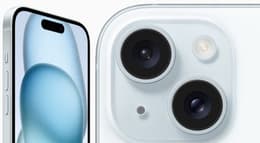
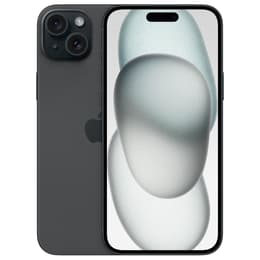
iPhone 15 Plus
iPhone 15 Plus
Starting at

Refurbished price:A$719.00

Versus A$1,399.00 new

See options
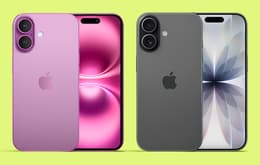
iPhone 16
iPhone 16
Starting at

Refurbished price:A$949.00

Versus A$1,399.00 new

See options

Ratings

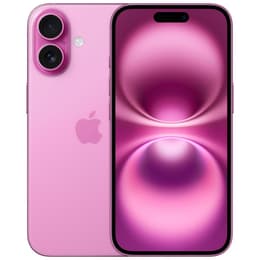
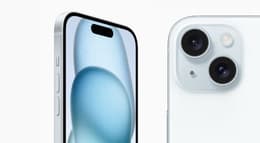
The iPhone 15 Plus, released in September 2023, and the iPhone 16, launched in September 2024, represent two distinct offerings within Apple's smartphone lineup. While the iPhone 15 Plus focuses on a larger display and extended battery life within its generation, the base iPhone 16 introduces a newer processor and enhanced camera capabilities in a more compact form factor. Both devices operate on Apple's iOS, providing a consistent software experience, but the iPhone 16 benefits from a more recent software foundation and hardware optimizations.

Scores

Durability

When considering the longevity of these devices, their release timelines and Apple's consistent software support are key factors. The iPhone 16, being a year newer, naturally offers a longer period of guaranteed software updates compared to the iPhone 15 Plus.

  • Release Timeline: The iPhone 15 Plus was released in September 2023, while the iPhone 16 followed in September 2024. This one-year difference directly impacts their respective software support lifecycles.
  • OS Support Duration: Both models are designed to receive several years of major iOS updates. The iPhone 16 launched with iOS 18 and is compatible with iOS 26, extending its software relevance further into the future than the iPhone 15 Plus, which launched with iOS 17 and is also compatible with iOS 26.
  • Practical Lifespan: Users can expect both devices to remain fully functional and receive security updates for many years. However, the iPhone 16 will likely maintain compatibility with the latest iOS features and applications for approximately one year longer due to its newer release.

Release year

2023

2024

Compatible with latest Update

Yes

Yes

Foldable

No

No

Performance

Performance is a critical aspect for daily use, and both the iPhone 15 Plus and iPhone 16 deliver capable experiences, though with generational differences in their underlying hardware.

  • Processor Capabilities: The iPhone 15 Plus is powered by a capable current-generation processor, ensuring smooth operation for demanding applications and multitasking. The iPhone 16 features a newer, more advanced processor, which provides enhanced processing power and improved efficiency, particularly for tasks involving artificial intelligence and more intensive computational demands.
  • System Responsiveness: Users will find both phones highly responsive for everyday tasks like app launching, web browsing, and navigating the interface. The iPhone 16, with its newer processor and increased RAM (8GB compared to the iPhone 15 Plus's 6GB), offers a slight edge in handling very heavy multitasking or future applications that demand more memory.
  • Battery Behavior: The iPhone 15 Plus is notable for its extended battery life, often providing some of the longest usage times among its contemporaries, with up to 26 hours of video playback. The iPhone 16 also offers improved battery performance over its direct predecessor, providing up to 22 hours of offline video playback, benefiting from a more efficient processor and a slightly larger battery capacity than the iPhone 15.

Memory (GB)

6 GB

8 GB

Screen quality

The visual experience on both devices is characterized by vibrant displays, though they differ significantly in size and some underlying technologies.

  • Display Technology and Size: The iPhone 15 Plus features a larger 6.7-inch Super Retina XDR OLED display, offering an expansive viewing area. The iPhone 16, in contrast, has a more compact 6.1-inch Super Retina XDR OLED display. Both displays utilize OLED technology for deep blacks and vibrant colors.
  • Resolution and Clarity: Both phones offer sharp and clear visuals with a pixel density of approximately 460 pixels per inch (ppi), ensuring text and images appear crisp. The iPhone 15 Plus has a resolution of 2796x1290 pixels, while the iPhone 16 has a resolution of 2556x1179 pixels, both optimized for their respective screen sizes.
  • Brightness and Refresh Rate: Both models achieve a peak outdoor brightness of up to 2000 nits, making them highly visible even in bright sunlight. However, both the iPhone 15 Plus and the base iPhone 16 maintain a standard 60Hz refresh rate, providing a smooth but not ultra-fluid scrolling experience.

Resolution

1290 x 2796

1179 x 2556

Screen type

Super Retina XDR OLED

Super Retina XDR OLED

Audiovisual

Both the iPhone 15 Plus and iPhone 16 offer advanced camera systems capable of capturing high-quality photos and videos, with the newer model introducing some refinements.

  • Main Camera System: The iPhone 15 Plus features a dual-camera system with a 48MP main sensor and a 12MP ultra-wide lens. The 48MP main camera utilizes pixel binning to produce detailed 24MP photos and offers a 2x optical-quality telephoto zoom by cropping the sensor. The iPhone 16 also comes with a dual-camera system, including a 48MP main camera and a 12MP ultrawide lens, arranged in a new vertical layout designed to facilitate spatial video capture.
  • Photography Performance: Both devices excel in everyday photography, delivering good color accuracy, exposure, and detail. They both include features like Photonic Engine, Deep Fusion, Smart HDR, and Night mode for improved performance in various lighting conditions. The iPhone 16 introduces a dedicated Camera Control button for quick access to camera functions.
  • Video Recording and Audio: Both phones support 4K video recording at up to 60 frames per second and offer Cinematic mode for a professional video look. The microphone quality on both is suitable for clear calls and recordings, and their stereo speakers provide a good media consumption experience.

Main camera

48 megapixels

48 megapixels

Front camera

12 megapixels

12 megapixels

Miscellaneous

Beyond core features, several practical elements differentiate the user experience between the iPhone 15 Plus and iPhone 16.

  • Connectivity and Ports: Both models feature a USB-C port for charging and data transfer, a significant change from previous generations. The iPhone 16 upgrades its wireless capabilities to Wi-Fi 7, offering potentially faster and more reliable connections compared to the iPhone 15 Plus's Wi-Fi 6. Both support Bluetooth 5.3 and 5G cellular connectivity.
  • Physical Design and Handling: The iPhone 15 Plus, with its 6.7-inch display, is a larger and heavier device at 160.9 x 77.8 x 7.8 mm and 201g. The iPhone 16 is more compact and lighter, measuring 147.6 x 71.6 x 7.8 mm and weighing 170g, making it easier for one-handed use. Both feature a durable aluminum design with a Ceramic Shield front and IP68 water and dust resistance.
  • User Interaction Features: Both phones incorporate the Dynamic Island for interactive alerts and activities. The iPhone 16 introduces a customizable Action button, offering quick access to various functions, a feature not present on the iPhone 15 Plus. Both rely on Face ID for secure authentication.

Weight

201 oz

170 oz

Screen size (in)

6.7

6.1

Network

5G

5G

SIM card

Physical SIM + eSIM

Physical SIM + eSIM

Carrier compatibility

Unlocked

Unlocked

Connector

USB-C (USB 2)

USB-C (USB 2)

Choosing between the iPhone 15 Plus and the iPhone 16 involves weighing priorities between screen size, battery endurance, and the latest processing power and camera enhancements. Users frequently praise the iPhone 15 Plus for its exceptional battery life, often noted as one of the longest-lasting iPhones, and its expansive display, which is ideal for media consumption and productivity. Some users, however, have noted its 60Hz refresh rate as a point of criticism compared to higher-end models.

The iPhone 16, on the other hand, is often lauded for its more advanced processor, which brings improved performance and the integration of Apple Intelligence features. Its updated camera system, including the new Camera Control button and spatial video capabilities, is a significant draw for photography and videography enthusiasts. While its battery life is improved over its direct predecessor, it generally does not match the extended endurance of the larger iPhone 15 Plus.

Users prioritizing a larger screen and maximum battery life for extended usage throughout the day may find the iPhone 15 Plus to be a more suitable option. Conversely, those who value the latest performance, advanced camera features, and a more compact form factor, along with a longer software support window, may lean towards the iPhone 16. For individuals seeking an eco-friendly alternative, both models are available as quality-assured refurbished options, providing a sustainable choice for acquiring these devices.
See all articles

Our recent comparisons