
Compare models

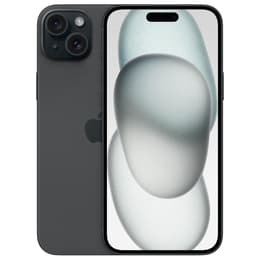
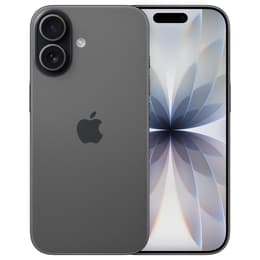
iPhone 15 Plus vs iPhone 17

  • 1-year warranty
  • Free standard shipping
  • Free 30-day returns
iPhone 15 Plus
Starting at

Refurbished price:A$698.00

Versus A$1,399.00 new

See options
iPhone 17
Starting at

Refurbished price:A$1,229.00

Versus A$1,549.00 new

See options

Differences at a glance

The iPhone 15 Plus (2023) and the iPhone 17 (2025) represent different generations of Apple's smartphone lineup, featuring distinct design philosophies and screen sizes. While the iPhone 15 Plus emphasizes a large-format viewing area and extended battery reach, the newer iPhone 17 introduces a more compact footprint paired with an advanced high-refresh-rate display and generational internal updates. Both devices operate on Apple's iOS ecosystem, though the newer model benefits from a later baseline operating system release. This comparison explores how their physical and functional differences align with distinct everyday requirements.

Available Models

Colour

Storage

Scores

Durability

When evaluating longevity and structural resilience, both devices offer robust build qualities backed by multi-year software support lifecycles, though their release timelines place them at different stages of their update windows.

  • Software Support Timeline: The iPhone 17 benefits from a two-year newer release date, extending its potential window for receiving major operating system upgrades compared to its predecessor.
  • Build and Repairability: Both models incorporate durable glass-and-metal construction with standardized water and dust resistance ratings, ensuring reliable physical endurance under normal daily conditions.
  • Expected Lifespan: Practical longevity for both units remains high, making a quality-assured refurbished option a sustainable choice that extends device utility while reducing electronic waste.

Release year

2023

2025

Compatible with latest Update

Yes

Yes

Operating system

iOS

iOS

Foldable

No

No

Performance

Underneath the exterior, these smartphones handle everyday applications, multitasking, and media consumption through differing hardware configurations that influence overall speed and responsiveness.

  • Multitasking and App Handling: The iPhone 17 features increased memory capacity and a current-generation processor, resulting in smoother transitions between demanding applications and improved thermal management during extended use.
  • Storage and Configurations: Both devices offer tiered internal storage options starting at ample capacities, accommodating large photo libraries, downloaded media, and offline documents without frequent management.
  • Energy Efficiency: Power management varies due to battery capacity and internal component optimization, with both models comfortably supporting a full day of mixed browsing, messaging, and media playback.

Screen quality

Display characteristics form a major point of divergence between the two models, directly affecting visual smoothness, outdoor legibility, and physical handling dimensions.

  • Display Technology and Refresh Rate: The iPhone 17 introduces a high-refresh-rate panel that provides smoother scrolling and more fluid motion animations, whereas the iPhone 15 Plus utilizes a standard 60Hz OLED screen.
  • Brightness and Outdoor Clarity: The iPhone 17 achieves higher peak luminance levels for improved visibility under direct sunlight, while the iPhone 15 Plus maintains clear contrast and vibrant color reproduction indoors and in shaded environments.
  • Size and Form Factor: The iPhone 15 Plus provides a much larger 6.7-inch viewing area suited for productivity and media consumption, contrasted with the more pocket-friendly 6.3-inch display on the iPhone 17.

Audiovisual

Imaging hardware and audio-visual playback capabilities cater to casual creators and media enthusiasts alike, offering versatile lens configurations and clear sound output.

  • Camera Systems: The iPhone 17 incorporates upgraded sensor resolutions across both primary and ultra-wide lenses, yielding sharper detail in challenging lighting conditions compared to the dual-lens setup on the iPhone 15 Plus.
  • Video Recording: Both smartphones support stable, high-definition video capture with advanced stabilization features, making them reliable tools for recording everyday moments or professional-grade clips.
  • Media and Audio Output: Stereo speakers deliver balanced sound reproduction for hands-free calls, podcasts, and casual video viewing without requiring external accessories.

Front camera

12 megapixels

18 megapixels

Miscellaneous

Practical daily usability is further shaped by connectivity standards, physical dimensions, and interface ports that define how each device integrates into accessories and networks.

  • Connectivity and Ports: Both models utilize standard USB-C connectivity for charging and data transfer, alongside modern cellular and wireless networking standards for fast browsing.
  • Biometric Security: Secure authentication is handled via facial recognition sensors integrated into the display housing across both generations.
  • Physical Dimensions: The iPhone 15 Plus has a noticeably wider and heavier chassis to accommodate its expansive screen, while the iPhone 17 offers a lighter, more ergonomic build that is easier to operate with one hand.

Weight

201 oz

177 oz

Screen size (in)

6.7

6.3

Network

5G

5G

SIM card

Physical SIM + eSIM

Physical SIM + eSIM

Carrier compatibility

Unlocked

Unlocked

Connector

USB-C (USB 2)

USB-C

What the community thinks

User discussions across community forums highlight distinct preferences depending on individual workflow requirements. Owners of the iPhone 15 Plus frequently praise its expansive screen estate and reliable battery endurance, making it a favorite for media streaming and reading. Conversely, users migrating to the iPhone 17 heavily emphasize appreciation for its higher screen refresh rate, lighter handling weight, and nimble form factor. Occasional critiques for the older model center on its standard refresh rate, while some users note that the smaller physical footprint of the newer model offers less canvas space for multi-window tasks.

Users prioritizing maximum screen size and immersive media viewing will find the iPhone 15 Plus well-suited to their daily routines. Meanwhile, users prioritizing a smoother display refresh rate, updated camera hardware, and a more compact physical build may lean toward the iPhone 17. For consumers seeking an eco-friendly alternative, exploring a quality-assured refurbished option provides a sustainable path to acquiring either device without compromising on operational reliability.