Compare models
iPhone 14 Pro Max vs iPhone 17
- 1-year warranty
- Free standard shipping
- Free 30-day returns
Differences at a glance
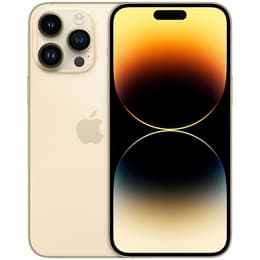
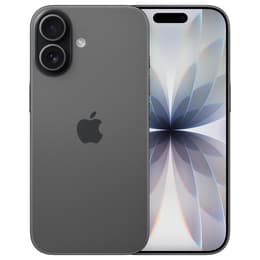
The iPhone 14 Pro Max (2022) and the standard iPhone 17 (2025) represent different tiers and generations of Apple's smartphone lineup. While the iPhone 14 Pro Max established a high standard for large-screen flagship devices with premium build materials, the standard iPhone 17 benefits from three years of hardware iteration, introducing newer internals, an upgraded base storage configuration, and modern display capabilities. Both devices run on Apple's iOS ecosystem, receiving regular system updates, though they differ significantly in physical footprint, camera configurations, and generational feature sets.
Available Models
Colour
Storage (GB)
Scores
Durability
When evaluating the long-term outlook of these two devices, differences in their release timelines and hardware architecture influence their overall expected operational lifespan.
- Software support horizon: The newer iPhone 17 benefits from a later release date, positioning it to receive software updates and security patches for a longer duration compared to its older counterpart.
- Repairability and build resilience: Both handsets feature robust water resistance ratings and durable glass panels, though component availability for newer models tends to remain active for a broader span.
- Expected lifespan: Users investing in the iPhone 17 can anticipate extended compatibility with upcoming application requirements due to its later generation internal framework.
Release year
2022
2025
Compatible with latest Update
Yes
Yes
Operating system
iOS
iOS
Foldable
No
No
Performance
Day-to-day operation and multitasking behavior highlight how generational hardware advancements impact responsiveness across demanding tasks and background applications.
- App loading and multitasking: The iPhone 17 handles demanding applications, high-graphics gaming, and rapid switching between active programs with greater thermal efficiency and speed thanks to its current-generation internal processor.
- Memory and storage configurations: The iPhone 17 starts with a higher baseline storage tier, accommodating large media libraries and heavy app caches without requiring cloud management, whereas the iPhone 14 Pro Max relies on tiered storage configurations starting from lower capacities.
- Battery behavior: Both devices manage daily energy consumption effectively to last through a full day of mixed use, though newer battery cell optimization in the iPhone 17 helps sustain efficiency during prolonged screen-on sessions.
Screen quality
Visual output and display responsiveness vary between the two models, offering distinct advantages for media viewing, outdoor legibility, and everyday interaction.
- Panel technology and refresh rates: The iPhone 17 brings advanced high-refresh-rate capabilities to the standard model tier, ensuring smooth scrolling and fluid animations that match the standard set by previous pro-tier devices like the iPhone 14 Pro Max.
- Outdoor peak brightness: Both screens reach high luminance levels to maintain visibility under direct sunlight, though the iPhone 17 incorporates later display panel revisions for improved color accuracy and contrast in bright environments.
- Viewing area and ergonomics: The iPhone 14 Pro Max offers a noticeably larger physical screen area ideal for productivity and expansive media consumption, while the iPhone 17 provides a more compact profile that balances screen estate with single-handed reachability.
Audiovisual
Photographic and video capture capabilities differ based on the lens arrangements and sensor generations integrated into each respective chassis.
- Versatility and zoom: The iPhone 14 Pro Max features a dedicated optical telephoto lens designed for close-up framing of distant subjects, while the standard iPhone 17 focuses on a dual-sensor layout emphasizing high-resolution main and ultra-wide shooting.
- Low-light and video performance: Both devices excel at capturing detailed low-light imagery and stable video recording, though image processing software on the newer model yields sharper texture retention in challenging lighting.
- Media consumption and audio: Built-in stereo speakers on both models deliver clear sound reproduction for calls and video playback, supported by accurate multi-microphone arrays for voice recording.
Front camera
12 megapixels
18 megapixels
Miscellaneous
Practical everyday factors such as physical dimensions, connection standards, and security features dictate how each phone fits into daily routines.
- Physical dimensions and weight: The iPhone 14 Pro Max features a heavier, larger body built with stainless steel framing, whereas the iPhone 17 utilizes lighter modern materials that reduce hand fatigue during extended phone calls or reading sessions.
- Port connectivity: Both models utilize universal connector standards for charging and wired data transfer, aligning with modern accessory ecosystems.
- Biometric security: Both handsets employ facial recognition technology housed within display cutouts for secure authentication and payment authorization.
Weight
120 oz
177 oz
Screen size (in)
6,7
6.3
Network
5G
5G
SIM card
Physical SIM + eSIM
Physical SIM + eSIM
Carrier compatibility
Unlocked
Unlocked
Connector
Lightning
USB-C
What the community thinks
User feedback from online forums highlights distinct preferences for each device based on physical size and feature priorities. Owners of the iPhone 14 Pro Max frequently praise its expansive display estate and dedicated zoom capabilities, though some note its heavier weight during prolonged use. Conversely, users of the iPhone 17 appreciate its lighter construction, smooth display refresh rates, and modern internal responsiveness, though a segment of users misses having a dedicated optical telephoto lens.
Users prioritizing a large viewing area, stainless steel build, and optical zoom capabilities will find the iPhone 14 Pro Max well-suited to their needs. Meanwhile, users prioritizing a lighter physical footprint, modern internal longevity, and high refresh rate display technology may lean toward the standard iPhone 17. For those seeking a quality-assured refurbished option, exploring these models through Back Market provides a sustainable choice that extends device lifecycles while maintaining reliable performance standards.