Compare models

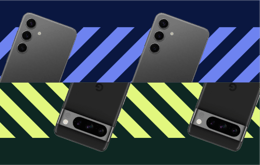
Galaxy Z Flip7 vs Motorola Razr 40

  • 1-year warranty
  • Free standard shipping
  • Free 30-day returns
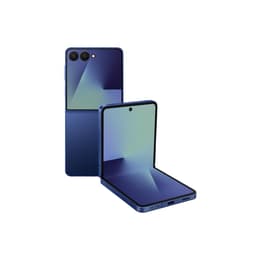
Galaxy Z Flip7
Starting at

Refurbished price:A$795.00

Versus A$1,799.00 new

See options
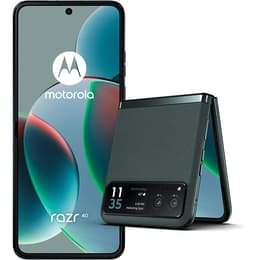
Motorola Razr 40
Starting at

Refurbished price:A$600.00

Versus A$1,983.00 new

See options

Differences at a glance

The Samsung Galaxy Z Flip7 (2025) and the Motorola Razr 40 (2023) are both folding clamshell smartphones designed to fit compactly into pockets while offering full-sized screens when opened. While they belong to different generations and product families, both cater to users looking for a distinct mobile form factor. The Galaxy Z Flip7 runs on Samsung's customized software interface built over Android, whereas the Motorola Razr 40 operates on a clean, near-stock version of Android, providing two distinct software experiences right out of the box.

Available Models

Colour

Storage

Scores

Durability

When examining longevity, differences in release schedules and software support timelines shape how long each device will remain up-to-date.

  • Release Timeline: The Motorola Razr 40 launched in mid-2023, while the Galaxy Z Flip7 arrived in mid-2025, placing them two years apart in generational development.
  • Software Support: Samsung provides extended operating system and security updates for its recent flagship foldables, whereas the Motorola Razr 40 has a shorter remaining window of official updates.
  • Expected Lifespan: Users seeking long-term software relevance will find the newer Galaxy Z Flip7 retains support further into the future, though both devices require careful handling of their folding hinge mechanisms over years of daily use.

Release year

2025

2023

Operating system

Android

Android

Foldable

Yes

Yes

Performance

Both smartphones handle daily mobile demands reliably, though their internal hardware capabilities reflect their different release windows and processing tiers.

  • System Responsiveness: The Galaxy Z Flip7 manages demanding multitasking, heavy applications, and modern mobile gaming with seamless speed, whereas the Motorola Razr 40 handles standard daily tasks like web browsing and messaging smoothly with occasional hesitation under heavier workloads.
  • Battery Behavior: Battery capacities differ slightly, with both devices engineered to navigate a standard daily routine of mixed usage, though heavy media consumers may need a midday recharge depending on screen-on time.
  • Storage Options: The Galaxy Z Flip7 provides higher baseline storage configurations suited for large media libraries, while the Motorola Razr 40 offers adequate space configurations for average daily file storage.

Screen quality

The display configurations on these foldable devices offer expansive interior viewing spaces paired with distinct exterior cover screens.

    Display Technology: Both models utilize vibrant folding OLED panels that deliver deep contrast levels and rich colors, making them well-suited for watching videos and reading.
  • Cover Screens: The Galaxy Z Flip7 features a larger, edge-to-edge exterior display that lets users interact with widgets and reply to messages without opening the phone, compared to the Motorola Razr 40 which relies on a smaller external notification panel.
  • Outdoor Visibility: Peak brightness levels on the Galaxy Z Flip7 allow for clearer viewing under direct sunlight, whereas the Motorola Razr 40 performs adequately in moderate outdoor lighting conditions.

Resolution

1080x2520

1080 x 2640

Audiovisual

Photography and multimedia output vary across these two clamshell foldables, impacting everyday photo capturing and media consumption.

  • Camera Systems: Both devices feature dual rear camera setups capable of capturing sharp everyday photos, with the Galaxy Z Flip7 benefiting from newer image processing software for enhanced clarity in challenging lighting.
  • Video and Audio: Video recording remains stable and detailed on both models, supported by clear built-in stereo speakers that provide an immersive experience for casual media playback.
  • Selfie Versatility: The foldable design of both phones allows them to prop themselves up on flat surfaces, enabling hands-free video calls and self-portraits using the main camera lenses.

Miscellaneous

Practical physical attributes and connectivity standards shape how comfortable these devices are to carry and use throughout the day.

  • Build and Handling: Both foldables feature lightweight frames that fold compactly, though subtle differences in width and thickness influence how securely they rest in one hand.
  • Connectivity: Both models support fast 5G cellular networks, modern Wi-Fi standards, and reliable Bluetooth pairing for wireless accessories.
  • Authentication: Both devices utilize side-mounted fingerprint sensors integrated into the power button alongside facial recognition options for quick unlocking. Choosing a quality-assured refurbished option through Back Market can also provide access to these modern form factors as a sustainable choice.

Weight

188 oz

189 oz

Screen size (in)

6.9

6.9

Network

5G

5G

SIM card

Physical SIM + eSIM

Dual Physical SIM

Carrier compatibility

Unlocked

Unlocked

What the community thinks

User feedback from online communities highlights distinct preferences for each folding smartphone. Owners of the Motorola Razr 40 frequently praise its clean software interface, comfortable exterior finish, and sleek folding action, though some note that the smaller exterior screen limits quick tasks without opening the device. Conversely, users of the Galaxy Z Flip7 highlight the utility of the expansive cover screen, robust daily performance, and sustained software longevity, while pointing out that premium foldable technology commands careful handling over time.

Users prioritizing a clean software layout and a compact traditional feel may prefer the Motorola Razr 40, while users prioritizing a larger interactive cover screen and extended software support will lean toward the Galaxy Z Flip7. Evaluating personal daily habits regarding screen interaction and multitasking requirements will guide the right choice between these two distinct folding experiences.