
Compare models
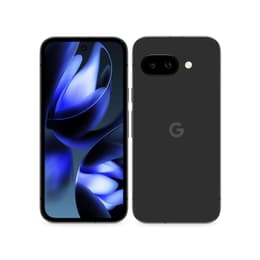
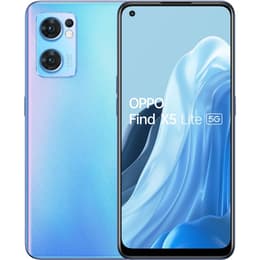
Google Pixel 9a vs Oppo Find X5 Lite
- 1-year warranty
- Free standard shipping
- Free 30-day returns
Differences at a glance
The Google Pixel 9a (2025) and the Oppo Find X5 Lite (2022) represent different generations and philosophies within the mid-range smartphone segment. While the Google Pixel 9a focuses on current software integration and minimalist design, the Oppo Find X5 Lite emphasizes quick charging capabilities and a lighter physical profile. Both devices run on the Android operating system, though they offer distinct user interface overlays and update schedules. Choosing between these smartphones depends on whether you prioritize long-term software support or everyday handling convenience.
Available Models
Colour
Storage (GB)
Scores
Durability
When examining hardware longevity and software support, the two devices reflect their respective release years and update commitments.
- Software support timeline: The Google Pixel 9a benefits from an extended multi-year update policy that ensures regular security patches and operating system upgrades well into the future. In contrast, the Oppo Find X5 Lite operates on a more traditional support schedule that nears its final stages of major platform updates.
- Expected practical lifespan: Users who select a quality-assured refurbished option of the Google Pixel 9a will likely experience a longer window of active software compatibility, whereas the Oppo Find X5 Lite serves users looking for an established device with predictable daily performance.
- Repairability and durability: Both manufacturers incorporate modern structural standards, though newer models generally benefit from updated internal framing designed to handle everyday wear and tear effectively.
Release year
2025
2022
Operating system
Android
Android
Foldable
No
No
Performance
Performance capabilities vary noticeably between these two models due to the passage of time and generational processor advancements.
- Multitasking and app responsiveness: The Google Pixel 9a handles demanding applications, modern games, and quick switching between multiple tabs with noticeable fluidity. The Oppo Find X5 Lite manages everyday communication, web browsing, and media streaming smoothly, though heavier tasks may reveal its older hardware generation.
- Storage capacity and memory: Both devices offer sufficient RAM for standard daily routines, alongside internal storage options that comfortably accommodate typical photo libraries and application bundles.
- Battery behavior: Users report that the Google Pixel 9a sustains power through a full day of mixed usage comfortably, while the Oppo Find X5 Lite compensates for a slightly smaller battery capacity with rapid wired charging capabilities that minimize time tethered to a wall outlet.
Screen quality
Visual output and display technologies differ in refresh rates and panel characteristics between the two smartphones.
- Display panels and clarity: Both models utilize high-definition display technology that renders text sharp and images clear, making them well-suited for reading, browsing, and watching videos.
- Brightness and outdoor visibility: The Google Pixel 9a incorporates a brighter panel designed to maintain legibility under direct sunlight. The Oppo Find X5 Lite performs adequately in standard outdoor settings, though very bright environments may require manual brightness adjustments.
- Smoothness and refresh rates: The Google Pixel 9a features a responsive refresh rate that keeps scrolling actions fluid, while the Oppo Find X5 Lite relies on a standard refresh rate suitable for typical viewing habits without specialized motion smoothing.
Resolution
1080x2424
1080 x 2400
Screen type
P-OLED
AMOLED
Audiovisual
Photography and media consumption features cater to different preferences in image processing and audio output.
- Camera systems: The Google Pixel 9a utilizes advanced computational photography algorithms to deliver balanced exposures and reliable low-light snapshots. The Oppo Find X5 Lite captures sharp everyday photos with a dedicated set of lenses, leaning toward vibrant color profiles straight out of the camera.
- Video recording: Both smartphones support high-definition video capture with stabilization features to reduce shake during movement, making them practical tools for recording casual memories.
- Audio output: Speaker systems on both devices provide adequate sound clarity for hands-free calls and short video clips, though external headphones or speakers remain recommended for extended media consumption.
Miscellaneous
Physical design elements and connectivity features shape the daily handling and versatility of each handset.
- Connectivity standards: The Google Pixel 9a supports modern 5G networks and updated Wi-Fi standards for stable connections, whereas the Oppo Find X5 Lite provides reliable 4G and standard 5G connectivity depending on regional network availability.
- Physical dimensions and weight: The Oppo Find X5 Lite stands out for its particularly slim and lightweight chassis, making it comfortable for single-handed use. The Google Pixel 9a features a slightly more substantial build that houses its updated internal components and battery.
- Biometrics and ports: Both devices utilize secure authentication methods including facial recognition and integrated fingerprint sensors, and both rely on standard reversible ports for charging and data transfer.
Weight
186 oz
173 oz
Screen size (in)
6.3
6.43
Network
5G
5G
SIM card
Physical SIM + eSIM
Dual Physical SIM
Carrier compatibility
Unlocked
Unlocked
What the community thinks
The Google Pixel 9a and the Oppo Find X5 Lite cater to distinct user preferences within the smartphone landscape. Users prioritizing extended software support, modern processing power for demanding tasks, and brighter outdoor displays often lean toward the Google Pixel 9a. Conversely, users who value a lightweight physical profile, comfortable single-handed handling, and rapid charging capabilities frequently find the Oppo Find X5 Lite well-suited to their daily routines. Examining these practical trade-offs allows buyers to align device specifications with their personal usage habits.
For those mindful of environmental impact, choosing a quality-assured refurbished option provides a sustainable choice that extends the lifecycle of these electronics without compromising on functional reliability. Ultimately, selecting the right device depends on which day-to-day characteristics matter most to your individual workflow and lifestyle.