Galaxy Z Flip6 vs iPhone 16e

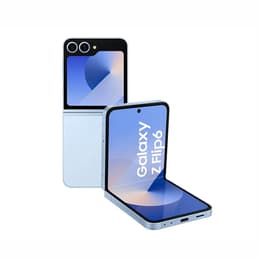
Galaxy Z Flip6
Galaxy Z Flip6
Starting at

Refurbished price:A$699.00

Versus A$1,649.00 new

See options
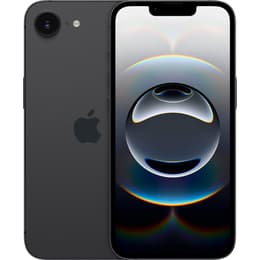
iPhone 16e
iPhone 16e
Starting at

Refurbished price:A$838.00

Versus A$999.00 new

See options

Ratings

The Samsung Galaxy Z Flip6, released in July 2024, and the Apple iPhone 16e, launched in February 2025, represent distinct philosophies in smartphone design. The Galaxy Z Flip6 offers a unique foldable form factor running on the Android operating system, emphasizing portability and a versatile user experience. In contrast, the iPhone 16e presents a traditional slate design powered by Apple's iOS, focusing on a streamlined, integrated ecosystem. These devices cater to different user preferences, primarily differing in their physical design, operating system, and core feature sets.

Scores

Durability

When considering the long-term usability of these devices, their release timelines and software support policies are key factors. The Galaxy Z Flip6, launched in July 2024, benefits from Samsung's commitment to providing seven years of operating system updates and security patches, offering an extended period of software longevity. [32] This means users can expect consistent access to new features and security enhancements well into the future. The iPhone 16e, while released later in February 2025, had a notably shorter retail availability, being discontinued in March 2026. [4] Despite its brief retail window, Apple typically provides major iOS updates for approximately five to six years from a device's launch, ensuring consistent software support during that period. [16, 23]

  • Software Longevity: The Galaxy Z Flip6 is expected to receive seven years of software and security updates, providing a longer period of official support. [32] The iPhone 16e, despite its short retail life, would typically receive around five to six years of iOS updates from its launch. [16, 23]
  • Physical Durability: The iPhone 16e features a Ceramic Shield front and an IP68 rating for dust and water resistance, allowing submersion up to 6 meters for 30 minutes. [4, 20] The Galaxy Z Flip6, with its foldable design, incorporates Corning Gorilla Glass Victus 2 on its cover screen and back panel, and an ultra-thin glass (UTG) for the inner display. [32] It carries an IP48 rating, indicating resistance to dust and water splashes. [17, 8] The folding mechanism of the Z Flip6 has seen improvements to better handle shocks and pressure. [8]
  • Practical Lifespan: Both devices are built with robust materials and receive regular software support, contributing to a practical lifespan that extends beyond initial purchase. The Z Flip6's longer software update commitment could appeal to users seeking to maximize their device's functional life, while the iPhone 16e offers a durable traditional form factor.

Release year

2024

2025

Operating system

Android

iOS

Foldable

Yes

No

Performance

Both the Galaxy Z Flip6 and the iPhone 16e are equipped with advanced processors designed to handle demanding applications and multitasking efficiently, though they approach performance from different ecosystems.

  • Processing Power: The Galaxy Z Flip6 is powered by a current-generation processor optimized for Galaxy devices, which contributes to smooth operation across various tasks and supports advanced AI features. [22, 8] The iPhone 16e features Apple's A18 chip, engineered for high performance and efficiency, particularly in handling complex computations and Apple Intelligence features. [4, 6, 9]
  • Multitasking and Responsiveness: The Galaxy Z Flip6 typically comes with 12GB of RAM, facilitating seamless multitasking and efficient handling of numerous applications simultaneously. [17, 8] The iPhone 16e is equipped with 8GB of RAM, which, combined with iOS's optimized memory management, provides a highly responsive user experience for everyday tasks and demanding applications. [4, 10]
  • Storage Options: The Galaxy Z Flip6 is available with internal storage configurations of 256GB and 512GB. [22, 8] The iPhone 16e offers storage options including 128GB, 256GB, and 512GB, providing flexibility for users with varying storage needs. [4, 10]

Memory (GB)

12 GB

8 GB

Screen quality

The display technologies on the Galaxy Z Flip6 and iPhone 16e offer distinct visual experiences, primarily due to their form factors and refresh rates.

  • Main Display Technology: The Galaxy Z Flip6 features a 6.7-inch foldable Dynamic AMOLED 2X main display, providing vibrant colors, deep blacks, and a variable refresh rate of up to 120 Hz for smooth scrolling and fluid animations. [5, 8] The iPhone 16e utilizes a 6.1-inch Super Retina XDR OLED display, known for its excellent color accuracy and contrast, with a resolution of 2532 x 1170 pixels and a pixel density of 460 PPI. [4, 6]
  • Cover Screen and Refresh Rate: A key differentiator for the Z Flip6 is its 3.4-inch Super AMOLED cover display, which offers a resolution of 720 x 748 pixels and a 60Hz refresh rate, allowing for quick interactions without opening the phone. [5, 8] The iPhone 16e's main display operates at a standard 60Hz refresh rate. [13, 15]
  • Brightness and Clarity: Both displays offer high brightness levels suitable for outdoor use. The iPhone 16e's OLED panel provides 800 nits typical maximum brightness and up to 1200 nits peak brightness for HDR content. [6] The Z Flip6's Dynamic AMOLED 2X main screen also delivers high brightness and clarity, ensuring good visibility in various lighting conditions.

Resolution

1080 x 2640

2532x1170

Audiovisual

Both devices offer capable camera systems, though their configurations and photographic strengths differ based on their design and intended user experience.

  • Rear Camera System: The Galaxy Z Flip6 features a dual-camera setup on the rear, including a 50MP wide-angle main camera with optical image stabilization and a 12MP ultra-wide camera. [22, 8] This 50MP main sensor is a significant upgrade, designed to capture more detailed shots. [7, 30] The iPhone 16e is equipped with a single 48MP Fusion camera on the rear, which includes optical image stabilization and offers 2x optical zoom options through sensor cropping. [4, 9, 10]
  • Photography Features: The Z Flip6's camera system is enhanced by Galaxy AI features, including advanced photo editing capabilities. [2, 25] It also offers improved low-light photography and HDR capture on its ultra-wide lens, with a boosted night mode. [8] The iPhone 16e's single camera supports features like Smart HDR 5, spatial audio recording, and an enhanced night mode, delivering strong performance in various lighting conditions. [4]
  • Front Camera and Video: For selfies and video calls, the Galaxy Z Flip6 has a 10MP front camera. [22, 8] The iPhone 16e features a 12MP TrueDepth front camera with an f/1.9 aperture, capable of shooting 4K video. [4, 10] Both devices offer quality video recording, with the iPhone 16e supporting 4K video at up to 60 frames per second with Dolby Vision. [10]

Front camera

10 megapixels

TrueDepth 12MP

Miscellaneous

Beyond their primary functions, several practical elements contribute to the overall user experience and differentiate these two smartphones.

  • Connectivity and Ports: The Galaxy Z Flip6 supports 5G, Wi-Fi 6E, and Bluetooth 5.3, featuring a USB 3.2 Gen 1 Type-C port for data transfer and charging. [8, 5] The iPhone 16e also supports 5G (specifically sub-6GHz, without mmWave capabilities) and Bluetooth 5.3, but includes Wi-Fi 6 and a USB-C port that operates at USB 2.0 speeds. [4, 10, 20] Neither device includes a traditional 3.5mm headphone jack.
  • Biometric Security and Special Features: The Galaxy Z Flip6 integrates a fingerprint sensor for secure unlocking. [32] It also features Galaxy AI, offering capabilities like live translation and advanced photo editing. [2, 25] The iPhone 16e utilizes Face ID for biometric authentication and includes an Action Button, which can be customized for various functions. [4, 6, 20] It also supports Apple Intelligence, bringing advanced AI capabilities to the device. [4, 6, 9]
  • Design and Handling: The Galaxy Z Flip6 maintains a compact, foldable design, making it highly portable when closed. [25] It weighs 187g. [8] The iPhone 16e features a traditional slate design with an aluminum frame and glass back, weighing 167g. [4] Its dimensions are 146.7 × 71.5 × 7.8 mm. [4]

Weight

187 oz

167 oz

Screen size (in)

6.7

6.1

Network

5G

5G

SIM card

Physical SIM + eSIM

Physical SIM + eSIM

Carrier compatibility

Unlocked

Unlocked

The Samsung Galaxy Z Flip6 and the Apple iPhone 16e cater to distinct user preferences, offering different strengths in their respective ecosystems. Users often praise the Galaxy Z Flip6 for its innovative foldable design, which enhances portability and offers unique interaction possibilities with its cover screen and Flex Mode. The upgraded camera system and extended software support are also frequently highlighted as significant improvements. Some users, however, might note that the cover screen, while functional, could offer more versatility, and the folding form factor, while durable, still presents a different long-term usage experience compared to traditional smartphones.

The iPhone 16e, despite its brief market presence, was recognized for bringing a powerful processor and an OLED display to a more accessible iPhone model. Users appreciated its strong battery life for a 6.1-inch iPhone and the inclusion of Apple Intelligence. Criticisms often centered on its 60Hz display refresh rate and the absence of MagSafe charging, features present in other iPhone models. Its discontinuation shortly after release also means its retail availability was limited, making it a unique, short-lived entry in Apple's lineup.

Users prioritizing a compact, innovative design with a versatile cover screen and extended software support may find the Galaxy Z Flip6 well-suited to their needs. Its foldable nature and Android ecosystem offer a different kind of flexibility. Conversely, users who prefer a traditional smartphone form factor, a streamlined iOS experience, and robust performance for everyday tasks and AI features might lean toward the iPhone 16e, understanding its limited retail availability. Both devices, whether new or as a quality-assured refurbished option, provide compelling features for different user profiles, allowing for informed and sustainable choices.

See all articles

Our recent comparisons