iPhone 12 mini vs iPhone 14

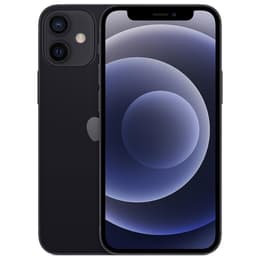
iPhone 12 mini
iPhone 12 mini
Starting at

Refurbished price:A$277.00

Versus A$929.00 new

See options
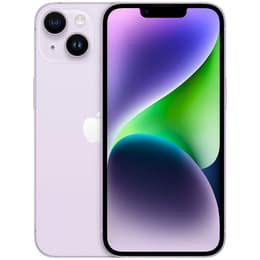
iPhone 14
iPhone 14
Starting at

Refurbished price:A$467.00

Versus A$1,049.00 new

See options

Ratings

The iPhone 12 Mini, released in late 2020, and the iPhone 14, launched in late 2022, represent different approaches within Apple's smartphone lineup. While both devices operate on Apple's iOS ecosystem, the iPhone 12 Mini offers a compact form factor, whereas the iPhone 14 provides a larger display and introduces several hardware and software enhancements, particularly in camera capabilities and safety features.

Scores

Durability

When considering the practical lifespan of these devices, their release dates play a significant role in expected software support and overall longevity.

  • Release Timeline: The iPhone 12 Mini was released in November 2020, making it two years older than the iPhone 14, which launched in September 2022. This age difference directly impacts how long each device is likely to receive major iOS updates.
  • Software Longevity: Both models are compatible with iOS 26, the current operating system. However, the iPhone 14 is expected to receive major iOS updates for a longer period, potentially until around 2034, compared to the iPhone 12 Mini, which is projected to receive updates until approximately 2028-2030. This means the iPhone 14 will benefit from new features and security patches for an extended duration.
  • Physical Durability: Both devices feature Apple's Ceramic Shield front cover, designed to offer enhanced drop performance. They also share an IP68 rating for water and dust resistance, allowing submersion up to 6 meters for 30 minutes. User experiences suggest that the smaller size of the Mini models can sometimes contribute to perceived durability due to less surface area for impact, though both are structurally robust.

Release year

2020

2022

Compatible with latest Update

Yes

Yes

Operating system

iOS

iOS

Foldable

No

No

Performance

The performance of a smartphone is crucial for daily tasks, from app usage to demanding games. Both the iPhone 12 Mini and iPhone 14 offer capable performance, though the newer model benefits from a more advanced internal architecture.

  • Processing Power: The iPhone 12 Mini is equipped with a capable processor that handles everyday applications and multitasking smoothly. The iPhone 14 features a more advanced processor, which provides a noticeable boost in responsiveness, especially for graphically intensive games and complex applications. This allows for quicker app loading times and a more fluid user experience overall.
  • Battery Behavior: The iPhone 12 Mini, due to its compact size, has a smaller battery capacity, which often translates to more frequent charging for heavy users. In contrast, the iPhone 14 offers significantly improved battery life, with users often reporting it can last through a full day of typical use. This difference is a key consideration for users who prioritize extended usage without needing to recharge.
  • Storage and Multitasking: Both devices offer various internal storage options. The iPhone 14 includes 6 GB of RAM, an increase over the iPhone 12 Mini's 4 GB. This additional RAM in the iPhone 14 contributes to more efficient multitasking, allowing more applications to remain active in the background without needing to reload.

Memory (GB)

4 GB

6 GB

Screen quality

The visual experience is a primary interaction point with any smartphone, and both the iPhone 12 Mini and iPhone 14 feature high-quality displays, albeit with differences in size and brightness.

  • Display Technology and Clarity: Both models feature Super Retina XDR OLED displays, providing deep blacks, vibrant colors, and excellent contrast. The iPhone 12 Mini has a 5.4-inch display with a resolution of 2340 x 1080 pixels, resulting in a pixel density of 476 ppi. The iPhone 14 offers a larger 6.1-inch display with a resolution of 2532 x 1170 pixels and a pixel density of 460 ppi. While the Mini has a slightly higher pixel density, both offer sharp and clear visuals.
  • Brightness Levels: Both devices achieve a peak brightness of 1200 nits for HDR content. However, the iPhone 14 has a higher typical maximum brightness of 800 nits, compared to the iPhone 12 Mini's 625 nits. This difference means the iPhone 14's screen can appear brighter in typical outdoor conditions.
  • Refresh Rate and Viewing Experience: Both the iPhone 12 Mini and iPhone 14 feature a standard 60Hz refresh rate. The primary distinction in viewing experience comes down to size; the 12 Mini offers a highly compact, one-handed experience, while the 14 provides a more expansive canvas for media consumption and productivity.

Resolution

1080 x 2340

1170 x 2532

Screen type

Super Retina XDR OLED

Super Retina XDR OLED

Audiovisual

The camera systems on both iPhones are designed to capture high-quality photos and videos, with the iPhone 14 introducing several advancements over its predecessor.

  • Rear Camera System: The iPhone 12 Mini features a dual 12-megapixel camera system with a wide and an ultrawide lens, offering good performance in various lighting conditions, including an effective Night Mode. The iPhone 14 also has a dual 12-megapixel system with wide and ultrawide lenses, but it includes a larger main sensor and a wider aperture, which improves low-light performance. The iPhone 14 also introduces the Photonic Engine for enhanced image processing.
  • Video Recording Capabilities: Both phones support 4K video recording at up to 60 frames per second. The iPhone 14 enhances video capabilities with Cinematic Mode now supporting 4K resolution and the addition of Action Mode, which provides advanced video stabilization for dynamic shots.
  • Front Camera and Audio: The iPhone 12 Mini has a 12-megapixel front camera. The iPhone 14 upgrades the front-facing camera with a wider aperture and autofocus, leading to sharper selfies and improved video calls. Both devices offer quality microphone performance for calls and recordings, and their stereo speakers provide a good audio experience for media consumption.

Main camera

12 megapixels

12 megapixels

Front camera

12 megapixels

12 megapixels

Miscellaneous

Beyond core features, several practical elements differentiate the iPhone 12 Mini and iPhone 14, influencing daily usability and connectivity.

  • Connectivity and Ports: Both devices support 5G cellular connectivity and Wi-Fi 6. However, the iPhone 14 models sold in the US are eSIM-only, lacking a physical SIM card tray, a change not present in the iPhone 12 Mini. Both utilize the Lightning port for charging and data transfer.
  • Biometric Security and Safety Features: Both phones rely on Face ID for secure authentication. The iPhone 14 introduces advanced safety features such as Crash Detection and Emergency SOS via Satellite, which can automatically alert emergency services in specific situations. These features are not available on the iPhone 12 Mini.
  • Physical Characteristics: The iPhone 12 Mini is notably smaller and lighter, measuring 131.5 x 64.2 x 7.4 mm and weighing 133 grams, making it ideal for one-handed use and pocketability. The iPhone 14 is larger and heavier at 146.7 x 71.5 x 7.8 mm and 172 grams, offering a more substantial feel and a larger screen area. Both feature an aluminum frame and glass back.

Weight

133 oz

172 oz

Screen size (in)

5.4

6,1

Network

5G

5G

SIM card

Physical SIM + eSIM

Physical SIM + eSIM

Carrier compatibility

Unlocked

Unlocked

Connector

Lightning

Lightning

The iPhone 12 Mini and iPhone 14 cater to different user preferences, primarily distinguished by size, battery performance, and newer technological advancements. Users often praise the iPhone 12 Mini for its compact design, making it comfortable for one-handed use and easy to carry. However, a frequent criticism of the 12 Mini is its battery life, which many users find insufficient for a full day of heavy use. Its camera system is still considered capable for everyday photography, though it lacks some of the newer features found in later models.

The iPhone 14, on the other hand, is generally lauded for its significantly improved battery life, making it a more reliable companion for extended periods. Its enhanced camera system, with features like Photonic Engine, Action Mode, and an upgraded front camera, receives positive feedback for delivering better low-light performance and more versatile video capabilities. Some users, however, note that its design and core display technology are quite similar to its immediate predecessor, the iPhone 13.

Users prioritizing a highly portable device that fits easily into smaller pockets and is comfortable for one-handed operation may find the iPhone 12 Mini well-suited to their needs, especially if their usage patterns are moderate or they have convenient access to charging. Conversely, users who value a larger display for media consumption, require longer battery endurance, and desire the latest camera innovations and safety features will likely lean towards the iPhone 14. Both devices offer a quality-assured refurbished option, providing an eco-friendly alternative for those seeking to make informed and sustainable choices.

See all articles

Our recent comparisons