
Smartphones
Compare models
Differences at a glance
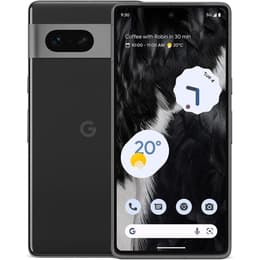
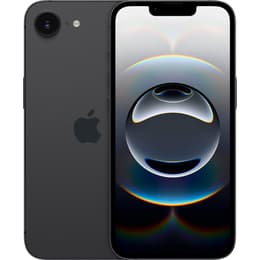
The Google Pixel 7, released in October 2022, and the iPhone 16E, a more recent model from late 2025, represent distinct approaches to the modern smartphone experience. While both devices offer robust performance and capable camera systems, they differ significantly in their operating systems, software longevity, and overall user interface. The Pixel 7 runs on the Android platform, known for its customization options, whereas the iPhone 16E operates on Apple's iOS, recognized for its streamlined ecosystem and strong privacy features.
Colour
Storage
When considering the practical lifespan of these devices, their release timelines and software support policies are key factors. The iPhone 16E, being a newer device, naturally benefits from a longer period of guaranteed software updates compared to the Google Pixel 7.
Release year
Foldable
The performance of a smartphone is crucial for daily tasks, from browsing and social media to demanding applications and gaming. Both the Google Pixel 7 and the iPhone 16E deliver smooth experiences, but their underlying hardware and software optimizations lead to different capabilities.
The display is the primary interface for interacting with a smartphone, and both the Google Pixel 7 and the iPhone 16E offer clear and vibrant viewing experiences, though with some distinctions in technology and refresh rates.
Resolution
Both the Google Pixel 7 and the iPhone 16E are equipped with advanced camera systems designed to capture high-quality photos and videos, each with its own strengths in computational photography and image processing.
Front camera
Beyond core performance and camera, several other features contribute to the overall user experience and practical utility of a smartphone. The Google Pixel 7 and iPhone 16E offer a range of connectivity, biometric security, and design elements.
Weight
Screen size (in)
SIM card
Carrier compatibility
The choice between the Google Pixel 7 and the iPhone 16E ultimately depends on individual priorities and preferred operating system. Users often praise the Google Pixel 7 for its exceptional camera capabilities, particularly its computational photography features that deliver natural-looking photos and useful editing tools like Magic Eraser. Its Android operating system is frequently lauded for its customization options and seamless integration with Google services. Some users, however, note that its software update longevity is shorter compared to Apple's offerings.
The iPhone 16E, on the other hand, receives consistent acclaim for its robust performance, extended software support, and the cohesive Apple ecosystem. Its video recording capabilities are often highlighted as a strong point, along with the reliability and security of iOS. A common consideration for some users might be the more closed nature of iOS compared to Android's flexibility.
Users prioritizing a longer software support timeline, top-tier video recording, and a highly integrated ecosystem may find the iPhone 16E well-suited to their needs. Conversely, users who value a unique Android experience, advanced computational photography for still images, and a slightly higher display refresh rate might lean towards the Google Pixel 7. Both devices offer a quality-assured refurbished option, providing an eco-friendly alternative for consumers seeking reliable technology.