
Galaxy S25+ vs iPhone 16e

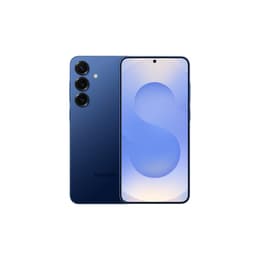
Galaxy S25+
Galaxy S25+
Starting at

Refurbished price:A$922.00

Versus A$1,699.00 new

See options
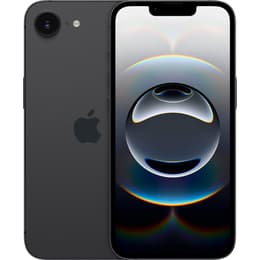
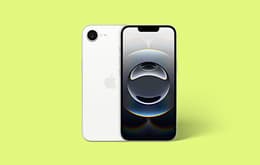
iPhone 16e
iPhone 16e
Starting at

Refurbished price:A$794.00

Versus A$999.00 new

See options

The Samsung Galaxy S25 Plus and the iPhone 16 are contemporary smartphones, each representing the latest in their respective operating system ecosystems. Released in early 2025 and late 2024, these devices offer distinct experiences rooted in Android and iOS. While both provide advanced mobile computing, key differentiators lie in their display technology, camera versatility, and software ecosystems, catering to varied user preferences.

Scores

Durability

Evaluating the practical lifespan of a smartphone involves considering its physical resilience and the duration of software support it receives.

  • Release Timeline: The iPhone 16 was released in September 2024, while the Galaxy S25 Plus followed in February 2025. This difference means the iPhone 16 has already received several software updates, whereas the Galaxy S25 Plus is newer to the market.
  • Software Longevity: Apple typically provides major iOS updates for iPhones for approximately five to seven years, with security updates often extending longer. The iPhone 16 launched with iOS 18 and is expected to receive updates until around 2036. Samsung generally offers five to seven years of software updates for its flagship Galaxy S series, meaning the Galaxy S25 Plus, launched with Android 15, will also have a substantial period of support.
  • Physical Durability: Both devices feature robust construction. The iPhone 16 incorporates a Ceramic Shield front and an aluminum frame, along with IP68 dust and water resistance. The Galaxy S25 Plus utilizes Gorilla Glass Victus 2 for both its front and back panels, complemented by an Armor Aluminum frame and an IP68 rating for dust and water protection.

Release year

2025

2025

Operating system

Android

iOS

Foldable

No

No

Performance

Both the Galaxy S25 Plus and the iPhone 16 are equipped with current-generation processors designed for demanding tasks, but their underlying architectures and software optimizations lead to different performance characteristics.

  • Processing Power: The iPhone 16 is powered by Apple's A18 chip, which is optimized for iOS and Apple Intelligence features, ensuring smooth operation across applications and system functions. The Galaxy S25 Plus features the Qualcomm Snapdragon 8 Elite, a 3nm chipset that delivers strong performance for Android applications and multitasking.
  • Multitasking and Responsiveness: The iPhone 16 comes with 8GB of RAM, which, combined with iOS's efficient memory management, provides a fluid user experience even with multiple apps open. The Galaxy S25 Plus offers 12GB of RAM, allowing for extensive multitasking and seamless transitions between numerous applications within the Android environment.
  • Storage Options: Both devices offer various internal storage configurations to suit different user needs. The iPhone 16 is available with 128GB, 256GB, or 512GB of storage. The Galaxy S25 Plus provides options for 256GB or 512GB of internal storage. Neither device supports expandable storage via a microSD card.
  • Battery Behavior: The iPhone 16 has a 3561 mAh battery, offering up to 22 hours of video playback and typically lasting over 12 hours in general use. The Galaxy S25 Plus is equipped with a 4900 mAh battery, which generally provides a full day of use for most users and supports 45W fast charging.

Memory (GB)

12 GB

8 GB

Screen quality

The visual experience on both devices is a highlight, with each offering a high-quality display tailored to their respective ecosystems.

  • Display Technology and Size: The iPhone 16 features a 6.1-inch Super Retina XDR OLED display, known for its deep blacks and vibrant colors. The Galaxy S25 Plus boasts a larger 6.7-inch Dynamic AMOLED 2X display, providing expansive screen real estate.
  • Resolution and Clarity: The iPhone 16 offers a resolution of 2556x1179 pixels, resulting in a pixel density of 460 ppi, ensuring sharp and detailed visuals. The Galaxy S25 Plus features a QHD+ resolution of 1440x3120 pixels, which translates to a high pixel density and exceptional clarity across its larger screen.
  • Brightness and Refresh Rate: Both displays offer high brightness levels for outdoor visibility, with the iPhone 16 reaching up to 2000 nits peak outdoor brightness and the Galaxy S25 Plus achieving up to 2600 nits peak brightness. The iPhone 16 maintains a 60Hz refresh rate, while the Galaxy S25 Plus features an adaptive 120Hz refresh rate, providing smoother scrolling and more fluid animations.

Resolution

1440x3120

2532x1170

Audiovisual

Both smartphones offer advanced camera systems capable of capturing high-quality photos and videos, though they approach imaging with different hardware and software philosophies.

  • Rear Camera Systems: The iPhone 16 features a dual-camera setup with a 48 MP main sensor that also enables a 2x telephoto effect, alongside a 12 MP ultra-wide lens. The Galaxy S25 Plus offers a more versatile triple-camera system, including a 50 MP main sensor, a 12 MP ultra-wide lens, and a dedicated 10 MP telephoto lens with 3x optical zoom.
  • Photography Performance: The iPhone 16's 48 MP main camera, with its Fusion technology and computational photography, excels in capturing detailed and color-accurate images, particularly in good lighting. The Galaxy S25 Plus's 50 MP main camera also delivers detailed photos with good dynamic range, and its dedicated telephoto lens provides greater flexibility for zoomed shots. Both devices offer strong low-light performance, though the iPhone 16's computational photography is often praised for its consistency.
  • Video Capabilities: The iPhone 16 supports 4K video recording at up to 60fps, with features like HDR and Dolby Vision HDR, and introduces spatial video capture. The Galaxy S25 Plus can record 8K video at 30fps with its main camera and 4K at 60fps with its other lenses, including 10-bit HDR recording.
  • Front Camera and Audio: Both devices feature 12 MP front-facing cameras capable of capturing detailed selfies and high-quality video calls. The iPhone 16's front camera includes PDAF for quick focusing. The Galaxy S25 Plus's 12 MP selfie camera also includes autofocus. Both phones offer stereo speakers, with the Galaxy S25 Plus supporting Dolby Atmos for an enhanced audio experience.

Miscellaneous

Beyond core performance and imaging, several practical features contribute to the overall user experience of these smartphones.

  • Connectivity Standards: Both devices support 5G for fast mobile data. The iPhone 16 and Galaxy S25 Plus are equipped with Wi-Fi 7 for advanced wireless networking and Bluetooth 5.3 and 5.4 respectively for accessory connections.
  • Ports and Biometrics: The iPhone 16 features a USB-C 2.0 port and relies on Face ID for secure biometric authentication. The Galaxy S25 Plus also uses a USB-C 3.2 port and incorporates an ultrasonic in-display fingerprint sensor for unlocking and security.
  • Design and Handling: The iPhone 16 has dimensions of 147.6 x 71.6 x 7.8 mm and weighs 170 grams, offering a compact feel. The Galaxy S25 Plus is slightly larger at 158.4 x 75.8 x 7.3 mm and weighs 190 grams, providing a more substantial presence. The iPhone 16 also features a new Action button for customizable shortcuts.

Weight

190 oz

167 oz

Screen size (in)

6.7

6.1

Network

5G

5G

SIM card

Physical SIM + eSIM

Physical SIM + eSIM

Carrier compatibility

Unlocked

Unlocked

The Samsung Galaxy S25 Plus and the iPhone 16 each present a compelling package, tailored to different user priorities. Users frequently praise the iPhone 16 for its seamless integration within the Apple ecosystem, consistent camera performance, and long-term software support. Common feedback highlights its intuitive iOS experience and robust build quality. Some users, however, note the 60Hz refresh rate as a point of comparison with other modern flagships.

The Galaxy S25 Plus is often lauded for its vibrant, high-refresh-rate display, versatile camera system with optical zoom, and the flexibility offered by the Android operating system. Its larger battery capacity and faster charging are also frequently mentioned as strong points. Some user discussions suggest that while its camera system is capable, it might not always match the computational consistency of its direct competitor in all scenarios.

Users prioritizing a streamlined, tightly integrated software experience with strong long-term support and a focus on consistent imaging may find the iPhone 16 well-suited to their needs. Conversely, those who value a larger, smoother display, greater camera versatility with dedicated optical zoom, and the customization options of Android will likely lean towards the Galaxy S25 Plus. Both devices represent excellent choices in the premium smartphone segment, and considering a quality-assured refurbished option for either model can be an eco-friendly alternative for making an informed purchasing decision.

See all articles

Our recent comparisons