
Samsung
Compare models
Differences at a glance
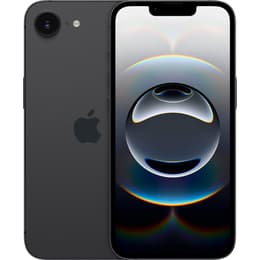
The Google Pixel 9, released in August 2024, and the iPhone 16E, launched in February 2025, represent distinct approaches to modern smartphone design and functionality. While both devices offer robust performance within their respective ecosystems, they cater to different user preferences through their operating systems and core features. The Pixel 9 operates on Android 14, emphasizing AI integration and a versatile camera system, whereas the iPhone 16E runs on iOS 18, focusing on streamlined user experience and strong battery performance.
Colour
Storage
When considering the long-term usability of a smartphone, factors such as software support, physical resilience, and repairability are key. The Pixel 9 and iPhone 16E offer different timelines and approaches to longevity.
Release year
Operating system
Foldable
Both the Google Pixel 9 and the iPhone 16E are equipped with powerful internal components designed to handle demanding applications and multitasking efficiently within their respective operating systems.
The visual experience on a smartphone is largely defined by its display, and both the Pixel 9 and iPhone 16E offer high-quality screens with distinct characteristics.
Resolution
Both the Google Pixel 9 and the iPhone 16E offer capable camera systems, each with its own strengths in capturing photos and videos.
Front camera
Beyond core performance and display, several practical features contribute to the overall user experience of these smartphones.
Weight
Screen size (in)
Network
SIM card
Carrier compatibility
The Google Pixel 9 and iPhone 16E each present a compelling package, tailored to different user priorities. The Pixel 9 is often praised for its advanced computational photography, extended software support, and a vibrant 120Hz display. Users frequently highlight its improved battery life and the seamless integration of Google's AI features as strong points. Some criticisms have pointed to the selfie camera's sharpness and the absence of a telephoto lens on the base model, which is reserved for its Pro variants.
The iPhone 16E, despite its relatively short market availability before discontinuation, garnered positive feedback for its exceptional battery life, robust build quality with Ceramic Shield, and the reliable performance delivered by its A18 chip. Users appreciate its compact size and the inclusion of the customizable Action Button. Common points of discussion include the 60Hz display, the single rear camera setup, and the absence of MagSafe compatibility, which might be a consideration for those invested in Apple's accessory ecosystem.
Users prioritizing a longer software support timeline, a higher refresh rate display, and a more versatile dual-camera system (main and ultrawide) may find the Google Pixel 9 to be a more suitable choice. Conversely, individuals who value outstanding battery endurance in a compact form factor, the streamlined iOS experience, and the physical durability offered by Ceramic Shield might lean towards the iPhone 16E. Both devices offer a quality-assured refurbished option, providing an eco-friendly alternative for consumers seeking reliable technology. Ultimately, the decision hinges on individual preferences for operating system, camera versatility, display fluidity, and long-term software commitment.