
Compare models
Galaxy Z Fold6 vs iPhone 17 Pro
- 1-year warranty
- Free standard shipping
- Free 30-day returns
Differences at a glance
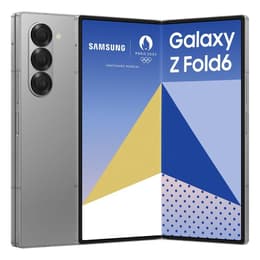
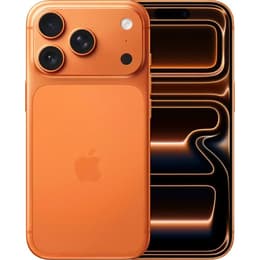
The Samsung Galaxy Z Fold6 (2024) and the Apple iPhone 17 Pro (2025) represent two distinct approaches to high-end mobile engineering, contrasting a foldable dual-screen smartphone design with a traditional flagship candybar form factor. While the Galaxy Z Fold6 provides a flexible multi-window environment that expands from a standard cover screen into a tablet-sized inner display, the iPhone 17 Pro utilizes a conventional slab layout optimized for single-handed durability and integrated camera performance. Operating on Android and iOS respectively, these devices target different user workflows through distinct physical builds and software ecosystems, establishing unique profiles for daily productivity and media interaction.
Available Models
Colour
Storage (GB)
Scores
Durability
Both smartphones provide robust physical construction and extended manufacturer software support, though their distinct form factors introduce different long-term maintenance considerations for daily users.
- Software longevity: The iPhone 17 Pro benefits from Apple's traditionally long update lifecycle, ensuring multi-year operating system upgrades and security patches, while the Galaxy Z Fold6 also receives extended multi-year support matching contemporary industry standards for flagship hardware.
- Hardware durability: The iPhone 17 Pro features a solid slab chassis with advanced glass-ceramic protection and high-grade water resistance, whereas the Galaxy Z Fold6 incorporates a complex mechanical hinge and flexible inner layer requiring careful handling over prolonged use.
- Repairability profile: Conventional slab phones like the iPhone 17 Pro generally offer simpler component servicing compared to foldable devices, which require specialized hinge and flexible display maintenance over their expected practical lifespan.
Release year
2024
2025
Compatible with latest Update
Yes
Yes
Operating system
Android
iOS
Foldable
Yes
No
Performance
Both devices handle demanding everyday applications, intensive multitasking, and complex mobile gaming smoothly, utilizing ample memory configurations and current-generation system architectures.
- Multitasking and memory: The Galaxy Z Fold6 leverages its expansive inner screen and generous random access memory to run multiple applications simultaneously in split-screen views, whereas the iPhone 17 Pro manages background tasks efficiently through streamlined operating system resource allocation.
- App responsiveness: Both smartphones load heavy software instantly and maintain stable frame rates during prolonged gaming sessions, keeping thermal regulation balanced under high workloads.
- Storage and battery behavior: Available storage tiers span extensive capacities on both models to accommodate large offline libraries, while battery longevity varies with usage style, as continuous multi-screen tasks on the foldable device draw power differently than single-display usage on the traditional flagship.
Screen quality
Display architecture serves as the primary differentiator between these two devices, contrasting a transformable multi-screen configuration with a single high-brightness panel.
- Display technology: The Galaxy Z Fold6 features an outer cover panel alongside a large foldable inner screen that opens up for tablet-style viewing, while the iPhone 17 Pro utilizes a single rigid organic light-emitting diode panel with deep contrast and vibrant color reproduction.
- Outdoor visibility: Both models achieve high peak brightness levels to maintain clear legibility under direct sunlight, ensuring sharp text and media playback outdoors.
- Refresh rate and smoothness: Adaptive high refresh rates are standard across all displays on both devices, providing fluid scrolling motion and responsive touch feedback during navigation and gaming.
Resolution
1856 x 2160
2622x1206
Screen type
Foldable Dynamic LTPO AMOLED 2X
Super Retina XDR
Audiovisual
Imaging capabilities on both smartphones support versatile photography and video recording across varied lighting conditions, utilizing multi-lens rear configurations.
- Rear camera versatility: Both devices house main, ultra-wide, and telephoto lenses that capture detailed landscape shots, close-ups, and distant subjects with balanced color accuracy and sharp clarity.
- Low-light and video performance: Advanced sensor hardware and image processing allow both models to preserve detail in dim environments and record stable, high-resolution video with clear multi-microphone audio capture.
- Media consumption output: Stereo speaker systems on both smartphones deliver loud, clear sound for hands-free calls, video streaming, and casual music playback without requiring external speakers.
Main camera
50 megapixels
48 megapixels
Front camera
4 megapixels
18 megapixels
Miscellaneous
Practical daily usability is shaped by physical dimensions, biometric security features, and modern connectivity standards built into each chassis.
- Handling and dimensions: The iPhone 17 Pro provides a familiar, pocket-friendly weight and width for single-handed use, while the Galaxy Z Fold6 offers a taller, narrower outer profile when closed and a much wider canvas when opened, resulting in a heavier overall build.
- Connectivity and ports: Both devices support rapid fifth-generation cellular networks, advanced wireless local area networking standards, and universal charging ports for efficient power delivery.
- Security and sensors: Fast biometric authentication is standard, utilizing facial recognition on the Apple device and side-mounted fingerprint scanning alongside facial recognition on the Samsung device.
Weight
239 oz
206 oz
Screen size (in)
7.6
6.3
Network
5G
5G
SIM card
Dual Physical SIM + eSIM
eSIM
Carrier compatibility
Unlocked
Unlocked
What the community thinks
Choosing between the Galaxy Z Fold6 and the iPhone 17 Pro depends primarily on whether your daily routine benefits from a transformable multi-window workspace or a streamlined, traditional smartphone build. Users prioritizing expansive screen real estate for multitasking, document editing, and media viewing will find the Galaxy Z Fold6 well-suited to their needs. Conversely, users prioritizing a conventional pocketable form factor, simpler single-handed operation, and the iOS ecosystem will lean toward the iPhone 17 Pro. Both models deliver robust processing power and versatile camera systems, meaning the final decision rests entirely on hardware layout and software preference rather than raw capability. For shoppers exploring a sustainable choice, a quality-assured refurbished option provides a resource-conscious path to acquiring either device without compromising on performance or reliability.