
Compare models
Google Pixel 6a vs iPhone 17 Pro
- 1-year warranty
- Free standard shipping
- Free 30-day returns
Differences at a glance
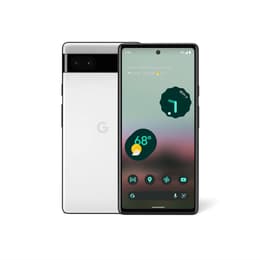
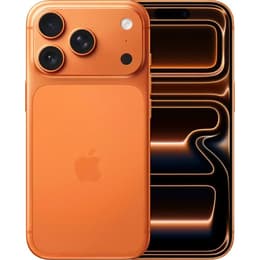
The Google Pixel 6a (2022) and the iPhone 17 Pro (2025) represent two very different eras and tiers in the smartphone market, contrasting an established mid-range Android device with a recent high-end flagship from Apple. While they run on entirely different operating systems and target distinct segments, comparing them highlights how smartphone capabilities evolve across generations. This overview explores their practical differences to help you determine which model fits your daily routines.
Available Models
Colour
Storage (GB)
Scores
Durability
When evaluating how these devices age, the release timeline and ongoing software support shape their expected long-term usability.
- Release timeline and software support: The iPhone 17 Pro benefits from a much more recent launch date and receives extended operating system updates, whereas the Pixel 6a was released several years prior and operates on a more mature software lifecycle.
- Repairability and physical durability: Both models utilize sturdy frame construction, though the newer Apple flagship incorporates advanced glass protection formulations on both front and back surfaces compared to the older glass-and-plastic build of the Google handset.
- Expected practical lifespan: Users seeking maximum software longevity will find that the newer release window of the Apple device provides a more extended period of security updates and modern feature compatibility.
Release year
2022
2025
Compatible with latest Update
Yes
Yes
Foldable
No
No
Performance
Daily fluidities vary significantly based on internal hardware capabilities, thermal management, and memory allocations.
- Multitasking and app loading: The iPhone 17 Pro handles demanding applications, high-end mobile gaming, and complex background tasks with exceptional speed, while the Pixel 6a manages everyday messaging, web browsing, and standard utilities reliably.
- Storage capacity: The Apple flagship starts at higher base storage tiers and scales up significantly for media-heavy users, whereas the Google device offers a fixed, moderate capacity suited for standard document and photo storage.
- Battery behavior: The Pixel 6a relies on moderate power management suitable for lighter daily routines, whereas the iPhone 17 Pro incorporates advanced power efficiency features designed to sustain heavy use through a full day.
Screen quality
Visual output differs in panel technology, smoothness, and outdoor visibility across both devices.
- Display technology and clarity: Both smartphones feature vibrant OLED panels that deliver deep blacks and crisp text, but the iPhone 17 Pro adds high-refresh-rate technology for smoother scrolling compared to the standard refresh rate on the Pixel 6a.
- Outdoor brightness: The iPhone 17 Pro reaches exceptionally high peak brightness levels for clear visibility under direct sunlight, whereas the Pixel 6a handles outdoor viewing adequately within standard operating limits.
- Viewing experience: Screen dimensions and minimal bezels on the Apple device create an immersive media consumption space, while the Google alternative offers a more compact form factor that is easy to manage with one hand.
Resolution
1080 x 2400
2622x1206
Screen type
OLED
Super Retina XDR
Audiovisual
Photography and media recording capabilities reflect the generational gap and hardware differences between the two models.
- Camera versatility: The iPhone 17 Pro features a triple high-resolution lens array including an extended optical-quality zoom, whereas the Pixel 6a uses a dual-lens setup focused on reliable everyday wide and ultra-wide shots.
- Low-light and video performance: Apple's flagship provides advanced professional video recording formats and robust low-light processing, while the Google device utilizes computational photography to maintain natural tones in challenging lighting conditions.
- Audio output: Stereo speakers on both devices deliver clear sound for calls and media, with the larger flagship providing greater acoustic depth and volume.
Main camera
12.2 megapixels
48 megapixels
Front camera
8 megapixels
18 megapixels
Miscellaneous
Physical handling and connectivity features influence how each device integrates into accessories and daily travel.
- Connectivity standards: Both models support modern 5G networks and fast Wi-Fi protocols, ensuring reliable mobile data speeds.
- Physical dimensions and weight: The Pixel 6a is slightly lighter and more compact, while the iPhone 17 Pro carries a heavier, more substantial build due to its extensive camera hardware and robust internal framework.
- Ports and authentication: The iPhone 17 Pro uses a reversible USB-C connection alongside facial recognition, while the Pixel 6a combines a USB-C port with an in-display fingerprint sensor.
Weight
250 oz
206 oz
Screen size (in)
6.1
6.3
SIM card
Physical SIM + eSIM
eSIM
Carrier compatibility
Unlocked
Unlocked
What the community thinks
Community discussions on platforms like Reddit highlight distinct user experiences for each device. Owners of the Google Pixel 6a frequently praise its clean software interface, reliable snapshot photography, and comfortable pocketable size, though some note that battery endurance can decline under heavy navigation or gaming tasks. Conversely, users of the iPhone 17 Pro commend its exceptional processing speed, fluid high-refresh display, and versatile zoom lenses, though discussions occasionally mention its heavier physical weight.
Users who prioritize a lightweight device for straightforward messaging, casual browsing, and photography will find the Pixel 6a well-suited to their daily needs. Meanwhile, users prioritizing maximum software longevity, high-end mobile gaming, and advanced media production capabilities will lean toward the iPhone 17 Pro. For those exploring sustainable tech habits, opting for a quality-assured refurbished option provides an eco-friendly alternative that extends the lifecycle of these electronics. Choosing between them ultimately depends on whether your daily routine calls for streamlined essentials or top-tier processing power.