
Compare models
iPhone 14 Pro Max vs iPhone 17 Pro
- 1-year warranty
- Free standard shipping
- Free 30-day returns
Differences at a glance
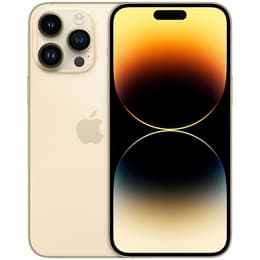
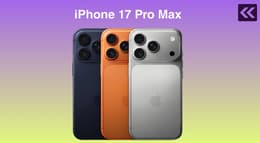
The iPhone 14 Pro Max (2022) and the iPhone 17 Pro (2025) represent significant milestones in Apple's smartphone lineup, offering distinct technological generations to consider. While both devices serve users looking for premium mobile performance and advanced features, they differ noticeably in their release timeline, external design approach, and internal capabilities. Both models operate on Apple's ecosystem platform, though their respective hardware years influence how they handle modern software features. Understanding these generational differences helps buyers determine which device aligns better with their everyday expectations.
Available Models
Colour
Storage (GB)
Scores
Durability
When examining hardware longevity and software support, both devices offer robust structures designed for extended daily use over several years.
- Software Support: The iPhone 17 Pro benefits from a newer release year, securing a longer window of future operating system updates compared to its predecessor.
- Build Integrity: Both models utilize rigid frame materials and reinforced glass protection, though the iPhone 17 Pro introduces refined thermal management and structural engineering for long-term reliability.
- Repairability: Both devices follow modular design principles that allow service technicians to replace batteries and screens efficiently through quality-assured refurbished options.
Release year
2022
2025
Compatible with latest Update
Yes
Yes
Operating system
iOS
iOS
Foldable
No
No
Performance
Daily operation, multitasking, and battery management vary between these two generations based on internal hardware advancements and processing efficiency.
- Multitasking and Speed: The iPhone 17 Pro handles demanding applications, complex rendering tasks, and intensive gaming with higher energy efficiency and smoother system fluidity than the iPhone 14 Pro Max.
- Battery Behavior: The iPhone 14 Pro Max delivers dependable all-day power for standard tasks, while the iPhone 17 Pro leverages advanced power management to sustain heavy usage routines for longer periods between charges.
- Storage Management: Both devices offer ample storage tiers to accommodate large media libraries, cached files, and local application data without performance degradation.
Screen quality
Visual immersion and display technology differ subtly in peak brightness, panel efficiency, and physical bezel dimensions across these two models.
- Display Panel: Both feature high-resolution OLED screens with deep contrast ratios and sharp text clarity, though the iPhone 17 Pro refines outdoor readability under direct sunlight.
- Refresh Rate: Both models support adaptive high refresh rates up to 120 hertz, ensuring smooth scrolling and responsive touch interaction during daily navigation.
- Physical Layout: The iPhone 17 Pro features narrower borders around the viewing area, maximizing screen estate within a slightly more compact physical footprint than the larger iPhone 14 Pro Max form factor.
Resolution
1290 x 2796
2622x1206
Screen type
LTPO Super Retina XDR OLED
Super Retina XDR
Audiovisual
Capture capabilities, audio recording, and media consumption hardware provide distinct experiences for creators and casual users alike.
- Lens Systems: Both devices incorporate versatile multi-lens rear arrays, with the iPhone 17 Pro offering updated sensor resolutions and enhanced low-light processing capabilities.
- Video Recording: Both models support stable cinematic recording modes and high-resolution output, though the newer generation includes refined stabilization for dynamic movement.
- Audio Output: Stereo speaker configurations on both devices deliver clear sound for media playback, complemented by sensitive microphone arrays that isolate voice input effectively during calls.
Main camera
48 megapixels
48 megapixels
Front camera
12 megapixels
18 megapixels
Miscellaneous
Practical physical traits, connectivity standards, and daily handling characteristics define how each device integrates into a user's routine.
- Physical Dimensions: The iPhone 14 Pro Max maintains a larger, heavier footprint suited for two-handed media consumption, whereas the iPhone 17 Pro prioritizes a balanced, lighter weight profile for easier single-handed handling.
- Interface Port: Both models utilize universal charging connection standards, ensuring broad compatibility with modern cable accessories and fast-charging hardware.
- Biometric Security: Both devices rely on facial recognition sensors embedded in the upper screen area for secure unlocking and authentication processes.
Weight
120 oz
206 oz
Screen size (in)
6,7
6.3
Network
5G
5G
SIM card
Physical SIM + eSIM
eSIM
Carrier compatibility
Unlocked
Unlocked
Connector
Lightning
USB-C
What the community thinks
User community discussions and long-term feedback highlight distinct preferences for each device based on physical size and daily demands. Owners of the iPhone 14 Pro Max frequently praise its expansive display estate and dependable battery life, making it a favorite for media consumption. Conversely, discussions around the iPhone 17 Pro often emphasize its refined handling ergonomics and responsive processing capabilities. Users prioritizing a larger viewing area and established reliability may prefer the iPhone 14 Pro Max, while users seeking modern hardware efficiency and a lighter physical profile often lean toward the iPhone 17 Pro. Selecting a sustainable, quality-assured refurbished option provides a practical way to acquire either model while supporting eco-friendly technology choices. Ultimately, evaluating personal preferences for device dimensions and task intensity will guide an informed decision.