
Compare models
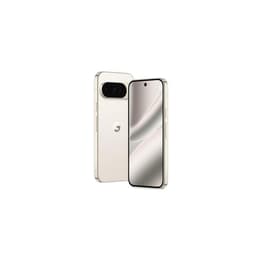
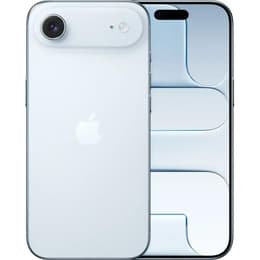
Google Pixel 10 Pro vs iPhone Air
- 1-year warranty
- Free standard shipping
- Free 30-day returns
Differences at a glance
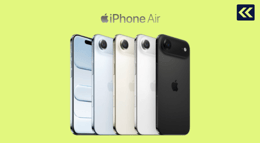
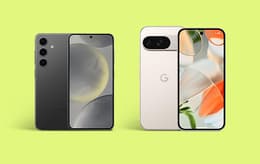
The Google Pixel 10 Pro (2025) and the iPhone Air (2025) represent two distinct visions for modern high-end smartphones, balancing sophisticated everyday tooling with unique hardware philosophies. While the Pixel 10 Pro focuses on versatile multi-lens photography and deep integrated assistant capabilities running on Android, the iPhone Air prioritizes an ultra-slim profile and lightweight form factor powered by Apple's iOS ecosystem. These contrasting approaches offer buyers very different daily user experiences.
Available Models
Colour
Storage (GB)
Scores
Durability
Both models provide robust long-term support timelines, though their hardware designs present different considerations for durability and repairability.
- Software Support: Both devices receive multi-year manufacturer update commitments, ensuring extended feature longevity and security updates.
- Build and Repairability: The Pixel 10 Pro utilizes standard robust framing with high-strength glass, whereas the iPhone Air achieves its ultra-thin silhouette through tight physical integration, influencing repair procedures.
- Lifespan Expectations: Both platforms maintain high system efficiency, supporting reliable daily operation across several years of ownership.
Release year
2025
2025
Operating system
Android
iOS
Foldable
No
No
Performance
System responsiveness and everyday multitasking capabilities differ due to distinct hardware configurations and operating system optimizations.
- Multitasking and Memory: Generous memory allocation on both devices ensures that demanding applications and heavy background tasks run smoothly without unexpected reloads.
- App Responsiveness: Current-generation processors handle intensive mobile games and complex productivity software with consistent frame rates and thermal management.
- Storage Configurations: Multiple capacity tiers are available to accommodate large media libraries, offline files, and extensive application data.
Screen quality
Display engineering focuses on high-clarity panel technology designed for smooth motion and clear outdoor visibility.
- Display Technology: Both models feature vibrant OLED panels with deep contrast levels and wide color reproduction for media viewing.
- Refresh Rate and Motion: Adaptive refresh rates scaling up to 120Hz provide fluid scrolling and responsive touch interactions.
- Outdoor Brightness: High peak luminance levels ensure screen contents remain legible under direct sunlight.
Resolution
1280x2856
2736x1260
Audiovisual
Optics and acoustic outputs cater differently to photography enthusiasts and media consumption preferences.
- Camera Systems: The Pixel 10 Pro offers a triple-lens rear array featuring dedicated optical zoom, while the iPhone Air streamlines photography through a single high-resolution primary lens setup.
- Video and Audio: Both units capture stable high-definition video with effective wind reduction, paired with clear built-in speaker output.
- Low-Light Capture: Computational photography algorithms assist in preserving detail and managing noise during evening or indoor shots.
Miscellaneous
Physical dimensions and connectivity standards shape how each smartphone feels and integrates into daily routines.
- Form Factor and Handling: The Pixel 10 Pro provides a traditional weighted feel in the hand, whereas the iPhone Air emphasizes a remarkably thin and light chassis.
- Charging and Power: Both models support modern magnetic wireless accessory charging standards alongside high-speed wired input.
- Connectivity: Comprehensive wireless standards including advanced Wi-Fi and 5G ensure fast data transmission and stable network pairing.
Weight
207 oz
165 oz
Screen size (in)
6.3
6.5
Network
5G
5G
SIM card
Physical SIM + eSIM
eSIM
Carrier compatibility
Unlocked
Unlocked
What the community thinks
User feedback from community discussions highlights distinct preferences for each device based on everyday habits. Users praising the Google Pixel 10 Pro frequently emphasize its versatile multi-lens zoom capabilities and deep assistant integration, though some note its heavier physical footprint. Conversely, owners of the iPhone Air highlight its remarkably light handling and slim build, while noting that its streamlined single-lens camera setup and compact battery require trade-offs for intensive media creators.
Users prioritizing flexible photography lenses and extensive software customization will find the Pixel 10 Pro well-suited to their needs, while users prioritizing a featherlight pocket profile and minimalist design may lean toward the iPhone Air. For those exploring sustainable purchasing routes, opting for a quality-assured refurbished option through Back Market provides a reliable way to access these devices with a reduced environmental footprint.