
Galaxy S25 Ultra vs Google Pixel 8

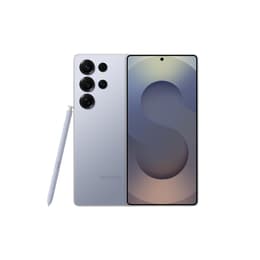
Galaxy S25 Ultra
Galaxy S25 Ultra
Starting at

Refurbished price:A$1,094.00

Versus A$2,149.00 new

See options
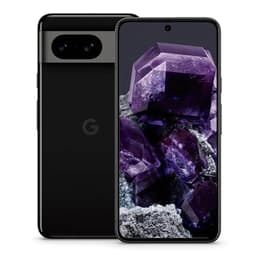
Google Pixel 8
Google Pixel 8
Starting at

Refurbished price:A$463.00

Versus A$1,245.00 new

See options

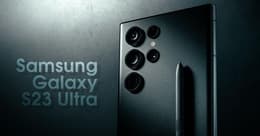
The Samsung Galaxy S25 Ultra (released February 2025) and the Google Pixel 8 (released October 2023) are prominent Android smartphones, each offering distinct experiences. While the Galaxy S25 Ultra emphasizes a large, feature-rich display and a versatile camera system, the Pixel 8 focuses on a compact design and advanced computational photography. Both devices run on the Android operating system, with each manufacturer providing its own software enhancements and user interface.

Scores

Durability

When considering the long-term usability of these devices, their release timelines and software support policies are key factors. The Galaxy S25 Ultra, launched in early 2025, benefits from a more recent release date compared to the Pixel 8, which debuted in late 2023. This difference in launch timing naturally impacts their expected practical lifespan.

  • Software Support: Both the Samsung Galaxy S25 Ultra and the Google Pixel 8 offer an impressive seven years of operating system and security updates from their respective release dates. This commitment ensures that both devices will receive new Android versions and security patches for an extended period, providing long-term digital relevance.
  • Physical Durability: The Galaxy S25 Ultra features Gorilla Glass Armor 2 for display protection, while the Pixel 8 uses Corning Gorilla Glass Victus for its screen and back. Both phones carry an IP68 rating for dust and water resistance, indicating a similar level of protection against environmental elements.
  • Repairability: While specific repairability scores can vary, Google has partnered with iFixit to offer parts and guides for DIY repairs for Pixel phones, potentially making some repairs more accessible for users.

Release year

2025

2023

Operating system

Android

Android

Foldable

No

No

Performance

The performance of a smartphone is crucial for handling daily tasks, from browsing and messaging to more demanding applications and gaming. Both the Galaxy S25 Ultra and the Pixel 8 are equipped with powerful processors designed to deliver a smooth user experience, though they approach this with different hardware architectures.

  • Processing Power: The Galaxy S25 Ultra is powered by a current-generation processor optimized for its ecosystem, providing robust performance for intensive applications and multitasking. The Pixel 8 features Google's Tensor G3 processor, which is designed with a strong emphasis on artificial intelligence and machine learning tasks, contributing to its overall responsiveness.
  • Multitasking and Storage: The Galaxy S25 Ultra typically offers 12GB or 16GB of RAM, alongside storage options up to 1TB, facilitating smooth multitasking and ample space for files. The Pixel 8 comes with 8GB of RAM and storage options of 128GB or 256GB, which is suitable for most everyday usage.
  • Battery Behavior: The Galaxy S25 Ultra, with its 5000mAh battery, is often noted for its extended battery life, with users reporting it can comfortably last through a full day of heavy use. The Pixel 8, equipped with a 4575mAh battery, provides sufficient power for typical daily use, though some users may find it requires more frequent charging under heavy loads compared to the S25 Ultra.

Memory (GB)

12 GB

8 GB

Screen quality

The display is a primary interface for smartphone interaction, and both devices offer high-quality viewing experiences with distinct characteristics in terms of size, technology, and brightness.

  • Display Technology and Size: The Galaxy S25 Ultra features a large 6.9-inch Dynamic LTPO AMOLED 2X display, offering vibrant colors and deep blacks. The Pixel 8 has a more compact 6.2-inch OLED (Actua) display, which provides clear visuals in a smaller form factor.
  • Resolution and Clarity: The S25 Ultra boasts a higher resolution of 3120 x 1440 pixels (QHD+), resulting in a very sharp image. The Pixel 8 offers a 1080 x 2400 pixel (FHD+) resolution, which delivers clear and detailed images for its screen size.
  • Brightness and Smoothness: Both phones feature a 120Hz adaptive refresh rate for smooth scrolling and responsiveness. The Galaxy S25 Ultra reaches a peak brightness of 2,600 nits, providing excellent visibility even in bright outdoor conditions. The Pixel 8 achieves a peak brightness of 2,000 nits, offering strong outdoor legibility.

Resolution

1440x3120

1080 x 2400

Audiovisual

The camera systems on both the Galaxy S25 Ultra and the Pixel 8 are central to their appeal, each excelling in different aspects of photography and videography, catering to varied user preferences.

  • Rear Camera Systems: The Galaxy S25 Ultra features a comprehensive quad-camera setup, including a 200-megapixel main sensor, a 50-megapixel ultrawide lens, a 10-megapixel telephoto lens with 3x optical zoom, and a 50-megapixel periscope telephoto lens with 5x optical zoom, offering extensive versatility for various shooting scenarios. The Pixel 8 employs a dual-camera system with a 50-megapixel main sensor and a 12-megapixel ultrawide lens, relying heavily on its advanced computational photography for image processing.
  • Photography Performance: The S25 Ultra is praised for its sharp images and strong video recording capabilities, though some users have noted occasional noise in darker areas for still photography. The Pixel 8 is widely recognized for its consistent image quality, particularly in challenging lighting conditions, due to its sophisticated software processing.
  • Front Camera and Audio: For selfies, the Galaxy S25 Ultra has a 12-megapixel front camera, while the Pixel 8 features a 10.5-megapixel front camera. User feedback suggests the S25 Ultra's speakers are notably louder than those on the Pixel 8.

Miscellaneous

Beyond core specifications, several practical elements contribute to the overall user experience, including connectivity, physical design, and additional features.

  • Connectivity and Ports: Both devices support 5G connectivity for fast mobile data. The Galaxy S25 Ultra supports Wi-Fi 7, offering advanced wireless networking capabilities, while the Pixel 8 supports Wi-Fi 7. Both phones utilize a USB-C port for charging and data transfer.
  • Design and Handling: The Galaxy S25 Ultra has a larger form factor with sharper corners and a flat frame, weighing 218g. It also integrates an S Pen stylus. The Pixel 8 features a more compact design with contoured edges and a polished glass back, weighing 187g, which can make it feel more comfortable for one-handed use.
  • Security and Features: Both smartphones include an in-display fingerprint sensor for biometric authentication. The Pixel 8 also offers secure face recognition. The Galaxy S25 Ultra's build includes Gorilla Glass Armor for enhanced screen protection.

Weight

218 oz

187 oz

Screen size (in)

6.9

6.2

Network

5G

5G

SIM card

Physical SIM + eSIM

Physical SIM + eSIM

Carrier compatibility

Unlocked

Unlocked

The Samsung Galaxy S25 Ultra and the Google Pixel 8 cater to different user priorities, each offering a compelling smartphone experience. User feedback for the Galaxy S25 Ultra often highlights its expansive and bright display, exceptional battery life, and the versatility of its quad-camera system, particularly for zoom capabilities. The integrated S Pen is also a frequently praised feature for productivity and creative tasks. Some users, however, have noted that while powerful, the overall experience can feel iterative, and some prefer the haptic feedback and photographic consistency of the Pixel.

Conversely, the Google Pixel 8 receives acclaim for its advanced computational photography, delivering consistent and high-quality images, especially in challenging conditions. Its more compact design and superior haptic feedback are also frequently mentioned as positive attributes. Criticisms sometimes point to its battery life not matching the endurance of larger flagship devices and potentially weaker signal reception in some areas.

Users prioritizing a large, immersive display, extensive camera versatility with optical zoom, and integrated stylus functionality for productivity may find the Galaxy S25 Ultra well-suited to their needs. Its robust battery life also makes it a strong contender for heavy users. For those who value a more compact device, a camera system focused on computational photography, and a clean Android experience with prompt software updates, the Google Pixel 8 presents a strong option. Both devices offer excellent long-term software support, making them sustainable choices for users seeking longevity. Considering a quality-assured refurbished option for either model can also be an eco-friendly alternative.

See all articles

Our recent comparisons