
Compare models

Galaxy Z Fold7 vs Google Pixel 9a

  • 1-year warranty
  • Free standard shipping
  • Free 30-day returns
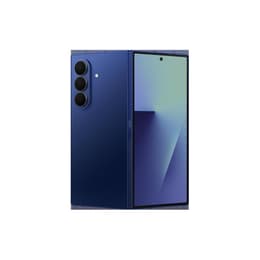
Galaxy Z Fold7
Starting at

Refurbished price:A$1,300.00

Versus A$2,499.00 new

See options
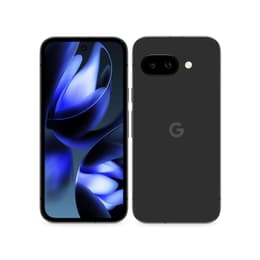
Google Pixel 9a
Starting at

Refurbished price:A$570.00

Versus A$731.50 new

See options

Differences at a glance

The Samsung Galaxy Z Fold7 (2025) and Google Pixel 9a (2025) represent two distinct approaches to modern mobile design, pairing a foldable multi-tasking screen with a traditional, streamlined smartphone format. These devices cater to fundamentally different everyday workflows and device handling preferences. While the Galaxy Z Fold7 features a dual-screen expanding layout running on Android, the Google Pixel 9a offers a conventional single-screen form factor powered by the same operating system with Google's custom software interface. Understanding how these structural differences influence portability and daily use helps clarify which device fits specific user lifestyles.

Available Models

Colour

Storage (GB)

Scores

Durability

When evaluating the long-term viability of these devices, differences in their mechanical design, release timelines, and software support commitments shape their expected operational lifespan.

  • Software support windows: Both manufacturers provide multi-year operating system and security patch commitments, ensuring both models remain current and secure for extended daily use.
  • Hardware resilience and moving parts: The Google Pixel 9a utilizes a traditional rigid unibody construction with fewer mechanical components, whereas the Galaxy Z Fold7 incorporates a complex folding hinge mechanism that requires careful handling over years of frequent opening and closing.
  • Repairability and structural wear: Traditional single-screen handsets generally experience simpler maintenance paths for screen replacements, while foldable displays demand specialized servicing due to their flexible layer compositions.

Release year

2025

2025

Operating system

Android

Android

Foldable

Yes

No

Performance

Underneath their distinct outer shells, both devices manage multitasking, demanding applications, and daily system navigation through modern internal hardware architectures.

  • App loading and multitasking execution: Both handsets handle rapid switching between communication apps, media streaming, and web browsing smoothly, though the Galaxy Z Fold7 provides expansive screen real estate suited for running multiple applications side-by-side simultaneously.
  • Thermal management and energy consumption: Battery retention varies due to screen sizes, with the Google Pixel 9a managing a single compact display for predictable daily endurance, while the Galaxy Z Fold7 powers both an outer display and a large inner folding panel that draws more energy during extended multi-window sessions.
  • Storage configurations: Both models offer ample internal space for applications, local media files, and offline documents without requiring expandable storage slots.

Screen quality

Display characteristics represent the most visible differentiator between these two models, directly impacting media consumption, outdoor legibility, and reading comfort.

  • Panel technology and flexibility: The Google Pixel 9a features a flat, rigid display with consistent brightness uniformity across a traditional aspect ratio, while the Galaxy Z Fold7 utilizes a foldable internal panel that opens up tablet-sized dimensions for immersive viewing.
  • Outdoor legibility and brightness: Both screens reach high peak luminance levels to maintain text clarity and image visibility under direct sunlight, though reflective coatings differ slightly between glass slabs and flexible polymer screens.
  • Refresh rate smoothness: Both devices support high refresh rates for fluid scrolling through long documents, social feeds, and user interface menus.

Resolution

1968x2184

1080x2424

Audiovisual

Optics and media capture capabilities differ significantly based on the physical dimensions and lens configurations built into each device body.

  • Multi-lens versatility: The Galaxy Z Fold7 incorporates a versatile multi-camera array including specialized zoom capabilities, whereas the Google Pixel 9a focuses on a streamlined primary and ultra-wide lens pairing backed by computational image processing.
  • Low-light and everyday photography: Both devices capture clear, balanced photos in challenging lighting conditions, relying heavily on software optimization to manage noise and dynamic range.
  • Video recording and audio capture: Built-in microphones and stereo speakers deliver clear voice calls and adequate media playback, with software stabilization ensuring steady handheld video footage on both models.

Miscellaneous

Physical dimensions, weight distribution, and connectivity features dictate how comfortably each phone integrates into a traveler's pocket or a professional's daily commute.

  • Weight and handling ergonomics: The Google Pixel 9a provides a lightweight, balanced feel designed for comfortable one-handed use, while the Galaxy Z Fold7 carries a heavier, thicker profile when folded that transforms into a wider, two-handed tablet format when opened.
  • Connectivity standards: Both models support modern 5G cellular networks, high-speed Wi-Fi protocols, and Bluetooth standards for reliable accessory pairing.
  • Biometric security: Each device utilizes secure biometric authentication options, combining facial recognition with fingerprint sensors integrated into power buttons or display panels for quick unlocking.

Weight

215 oz

186 oz

Screen size (in)

8.0

6.3

Network

5G

5G

SIM card

Dual Physical SIM + eSIM

Physical SIM + eSIM

Carrier compatibility

Unlocked

Unlocked

What the community thinks

User feedback gathered from public forums highlights distinct preferences for each device style. Owners of the Google Pixel 9a frequently praise its reliable battery performance, comfortable single-handed dimensions, and straightforward durability without mechanical moving parts. Some users note that traditional screens lack the expansive multitasking workspace found on larger folding handsets. Conversely, users of the Galaxy Z Fold7 appreciate the ability to view detailed spreadsheets, read documents, and split applications across a massive tablet-sized display. Common community discussions surrounding folding devices often center on handling the central crease and accommodating a heavier pocket profile.

Users prioritizing compact ergonomics, straightforward daily reliability, and a lightweight build may prefer the Google Pixel 9a, while users requiring maximum screen workspace for multitasking and media viewing will lean toward the Galaxy Z Fold7. Choosing a quality-assured refurbished option through platforms like Back Market provides an eco-friendly and sustainable path to acquiring either device without compromising on performance standards. Ultimately, the right choice depends on whether daily routines benefit more from a traditional pocket-friendly smartphone or an expansive folding screen.