Compare models
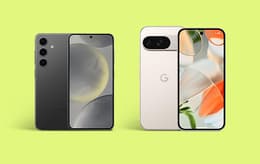
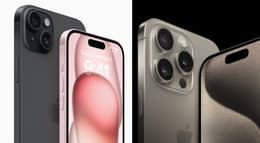
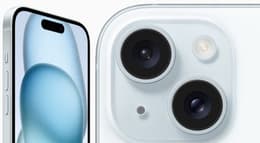
Google Pixel 9a vs iPhone 15
- 1-year warranty
- Free standard shipping
- Free 30-day returns
Differences at a glance
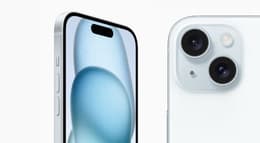
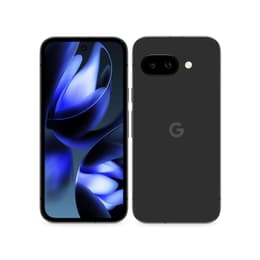
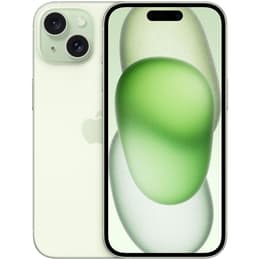
The Google Pixel 9a (2025) and the Apple iPhone 15 (2023) represent two popular smartphone approaches running on distinct operating systems. While the Google Pixel 9a runs on Android with integrated software features, the iPhone 15 operates on iOS. Both devices offer modern capabilities, though they differ significantly in display size, camera design, and ecosystem preferences.
Available Models
Colour
Storage (GB)
Scores
Durability
When examining longevity and support, both devices provide robust update timelines, though their release schedules and software policies differ.
- Software Support Window: The Google Pixel 9a benefits from an extended commitment of 7 years of full operating system upgrades, whereas the iPhone 15 typically receives around 5 to 6 years of major iOS updates.
- Hardware Durability: Both models feature dust and water resistance ratings (IP68), but utilize different exterior materials with the iPhone 15 incorporating a color-infused glass back and aluminum frame, and the Pixel 9a utilizing a matte composite back with a recycled aluminum frame. Choosing a quality-assured refurbished option from Back Market extends the life cycle of either device sustainably.
- Expected Lifespan: Both smartphones deliver hardware and software longevity that easily spans multiple years of daily usage under standard conditions.
Release year
2025
2023
Operating system
Android
iOS
Foldable
No
No
Performance
Performance across everyday tasks, multitasking, and battery management varies according to internal hardware configuration and software optimization.
- Multitasking and Memory: The Google Pixel 9a is equipped with 8GB of RAM, while the iPhone 15 features 6GB of RAM, with both levels of memory handling background applications and active browser tabs smoothly.
- App and Gaming Speed: Both devices load demanding applications quickly and maintain high system responsiveness, effortlessly managing daily communication, streaming, and moderate mobile gaming.
- Battery Behavior: The Pixel 9a includes a large 5,100mAh battery designed to comfortably exceed a full day of intensive usage, while the iPhone 15 relies on a smaller capacity battery that generally requires a nightly recharge for moderate to heavy users.
Screen quality
Display configurations differ in size, refresh rate technology, and peak brightness capabilities for varying viewing environments.
- Display Technology and Smoothness: The Google Pixel 9a features a 6.3-inch OLED display supporting a smooth 120Hz refresh rate, whereas the iPhone 15 uses a 6.1-inch Super Retina XDR OLED display locked at a standard 60Hz refresh rate.
- Outdoor Visibility: Both screens offer high peak brightness levels that ensure clear legibility and vibrant color reproduction when viewed under direct sunlight.
- Viewing Experience: The Pixel 9a provides slightly more screen estate for media consumption and reading, while the iPhone 15 offers a compact form factor with crisp pixel density.
Resolution
1080x2424
1179 x 2556
Screen type
P-OLED
Super Retina XDR OLED
Audiovisual
Imaging hardware and computational processing shape how each phone handles photography and video recording.
- Rear Camera Systems: Both devices feature a dual-lens setup anchored by a primary 48-megapixel main sensor alongside an ultra-wide secondary lens.
- Computational Photography: The Pixel series utilizes advanced software processing for automatic exposure balance and night photography, while the iPhone 15 excels at portrait depth mapping and consistent video stabilization across varied lighting conditions.
- Audio and Media Output: Both models integrate stereo speakers that deliver clear vocal projection and balanced sound for hands-free calls and casual video watching.
Miscellaneous
Practical physical characteristics, connectivity standards, and daily usability features define how each phone fits into routine habits.
- Port and Charging: Both models feature modern USB Type-C connectivity ports for wired charging and data transfers, replacing legacy proprietary connectors.
- Biometric Security: The Google Pixel 9a provides facial recognition alongside an in-display fingerprint sensor, whereas the iPhone 15 relies exclusively on face recognition security.
- Dimensions and Weight: The Pixel 9a measures slightly larger with a 6.3-inch frame weighing 186 grams, while the iPhone 15 offers a smaller footprint at 171 grams, influencing pocket comfort and single-handed reach.
Weight
186 oz
171 oz
Screen size (in)
6.3
6.1
Network
5G
5G
SIM card
Physical SIM + eSIM
Physical SIM + eSIM
Carrier compatibility
Unlocked
Unlocked
What the community thinks
Users evaluating these two smartphones often point out distinct strengths on community forums and review platforms. Google Pixel 9a owners frequently praise the long battery life, fluid display refresh rate, and extended software support timeline. Conversely, iPhone 15 users regularly highlight the polished ecosystem integration, video recording stability, and comfortable, pocket-friendly ergonomics.
When deciding between the two, user priorities serve as the main guide. Users prioritizing a smoother display refresh rate, longer software update commitments, and extended daily battery longevity may prefer the Google Pixel 9a. Meanwhile, users prioritizing a compact physical build, iOS ecosystem continuity, and refined video capture tools will likely lean toward the iPhone 15. Opting for a quality-assured refurbished smartphone through Back Market provides an eco-friendly, reliable alternative that matches individual preferences sustainably.