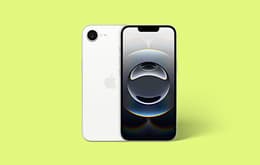
Compare models

Google Pixel 9a vs iPhone 16e

  • 1-year warranty
  • Free standard shipping
  • Free 30-day returns
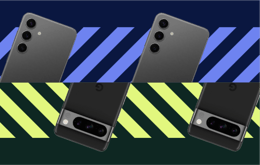
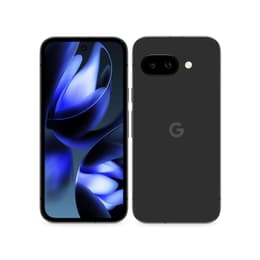
Google Pixel 9a
Starting at

Refurbished price:A$570.00

Versus A$731.50 new

See options
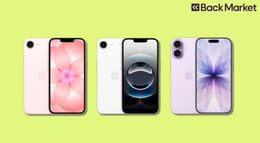
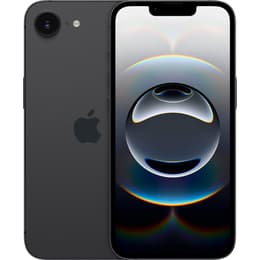
iPhone 16e
Starting at

Refurbished price:A$688.00

Versus A$999.00 new

See options

Differences at a glance

The Google Pixel 9a (2025) and Apple iPhone 16e (2025) represent modern options within their respective manufacturer ecosystems, designed to provide core capabilities in streamlined packages. While they share contemporary design standards and robust daily processing power, they diverge significantly in operating systems, display dimensions, and ecosystem integration. The Google Pixel 9a runs Android, featuring Google's specialized software layout and features, while the iPhone 16e operates on iOS with native Apple software support. These fundamental differences influence everything from navigation styles to cross-device connectivity for everyday users.

Available Models

Colour

Storage (GB)

Scores

Durability

Both devices benefit from modern release timelines and extended manufacturer support commitments, though their software update frameworks differ in execution and duration.

  • Software Support Longevity: The Google Pixel 9a receives major operating system upgrades and security patches for seven years from its release. The iPhone 16e follows Apple's standard multi-year support lifecycle, typically delivering timely iOS updates for many years.
  • Repairability and Build Structure: Both models utilize durable frame designs and sealed internal components with official dust and water resistance ratings. Professional repair services and replacement parts are widely accessible for both ecosystems.
  • Expected Practical Lifespan: Thanks to current-generation internal components and ample memory configurations, both smartphones maintain reliable processing efficiency for daily tasks over several years of continuous use.

Release year

2025

2025

Operating system

Android

iOS

Foldable

No

No

Performance

System responsiveness and everyday operation are handled efficiently by modern internal hardware architectures tailored to each operating system.

  • Storage Options: Both devices offer multiple storage configurations starting at baseline capacities suitable for applications, media files, and documents, with higher-tier options available for extensive media collections.
  • Battery Behavior: The Google Pixel 9a features a high-capacity power cell designed to easily navigate a full day of mixed usage, while the iPhone 16e optimizes hardware and software integration to stretch standby efficiency and daily usage times effectively.
  • Multitasking and App Responsiveness: Equipped with modern processors and sufficient random access memory, both smartphones load demanding applications rapidly, switch between tasks seamlessly, and handle everyday navigation without noticeable lag.

Screen quality

Visual output and display construction cater to vibrant multimedia consumption, clear text rendering, and comfortable outdoor visibility.

  • Display Technology: The Google Pixel 9a features a 6.3-inch OLED screen with a fluid refresh rate, while the iPhone 16e utilizes a 6.1-inch Super Retina OLED display equipped with a traditional display notch.
  • Brightness and Clarity: Both panels achieve high peak brightness levels, allowing content to remain legible under direct sunlight, and offer sharp resolutions that render fine details clearly.
  • Refresh Rate and Fluidity: The Google Pixel 9a incorporates a high refresh rate configuration for smooth scrolling through web pages and system menus, whereas the iPhone 16e maintains standard frame refresh behavior typical of its class.

Resolution

1080x2424

2532x1170

Audiovisual

Photography and video recording suites provide capable capturing tools for everyday memories, low-light environments, and high-definition media creation.

  • Camera System Capabilities: The Google Pixel 9a relies on a high-resolution main sensor paired with an ultra-wide lens, while the iPhone 16e features a versatile single-lens 48-megapixel configuration supporting high-detail capture modes.
  • Video and Audio Recording: Both phones capture stable, crisp video clips with wide dynamic ranges and clear stereo audio capture from built-in microphone arrays during recording sessions.
  • Media Consumption Audio: Built-in stereo speaker setups on both devices deliver balanced sound output for casual video playback, speakerphone calls, and music listening without requiring external speakers.

Miscellaneous

Physical dimensions, connectivity standards, and daily utility features define how comfortably each device integrates into varied routines.

  • Connectivity and Ports: Both models support rapid 5G cellular networks, modern Wi-Fi standards, and Bluetooth connections, utilizing reversible USB-C charging ports for wired accessories.
  • Security Sensors: The Google Pixel 9a incorporates an under-display fingerprint reader alongside facial recognition, whereas the iPhone 16e relies exclusively on secure face authentication technology.
  • Dimensions and Handling: The Google Pixel 9a offers a slightly larger screen footprint within a lightweight frame, while the iPhone 16e provides a compact, slightly narrower profile suited for single-handed navigation. For those prioritizing sustainability, choosing a quality-assured refurbished option provides an eco-friendly alternative that reduces electronic waste without compromising performance.

Weight

186 oz

167 oz

Screen size (in)

6.3

6.1

Network

5G

5G

SIM card

Physical SIM + eSIM

Physical SIM + eSIM

Carrier compatibility

Unlocked

Unlocked

What the community thinks

User feedback across online technology communities highlights distinct preferences for each device based on ecosystem loyalty and functional priorities. Users frequently praise the Google Pixel 9a for its generous battery capacity, bright high-refresh display, and clean Android software experience. Conversely, iPhone 16e owners often emphasize the smooth integration within the Apple ecosystem, reliable daily performance, and long-term hardware reliability as primary advantages.

Users prioritizing deep Android customization, fluid display scrolling, and long-term system updates will find the Google Pixel 9a well-suited to their preferences. Meanwhile, users embedded in the Apple ecosystem who value compact ergonomics and straightforward iOS navigation may lean toward the iPhone 16e. Evaluating these core aspects helps clarify which model aligns best with individual daily requirements, while choosing a sustainable refurbished device offers an environmentally conscious path to obtaining either smartphone.