Compare models
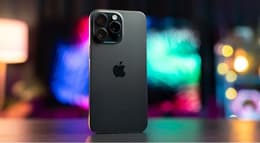
Google Pixel 9a vs iPhone 15 Pro Max
- 1-year warranty
- Free standard shipping
- Free 30-day returns
Differences at a glance
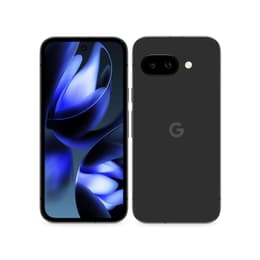
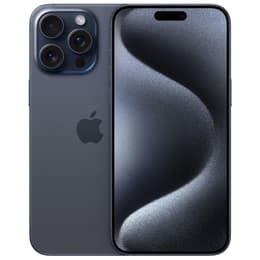
The Google Pixel 9a (2025) and the iPhone 15 Pro Max (2023) represent different approaches to modern smartphone design, catering to distinct user preferences in Google's and Apple's ecosystems. The Google Pixel 9a focuses on streamlined daily functionality within the Android operating system, while the iPhone 15 Pro Max emphasizes professional-grade materials and advanced system capabilities running on iOS.
Understanding how these two models compare across hardware, software, and everyday utility helps users determine which device best aligns with their specific requirements.
Available Models
Colour
Storage (GB)
Scores
Durability
When evaluating the long-term viability of these devices, factors such as update longevity and physical resilience play significant roles in determining their operational lifespan.
- Software Support: Both manufacturers provide extended software update timelines, ensuring years of security updates and operating system upgrades for both the Google Pixel 9a and the iPhone 15 Pro Max.
- Build Resilience: The iPhone 15 Pro Max utilizes titanium framing and textured glass, whereas the Google Pixel 9a employs durable composite materials designed for daily wear resistance.
- Repairability: Both models benefit from established global service networks, though availability of certified components varies depending on regional support infrastructure.
Release year
2025
2023
Operating system
Android
iOS
Foldable
No
No
Performance
Day-to-day responsiveness and handling of demanding applications depend heavily on integrated hardware optimization and memory configuration.
- Multitasking Capability: Both devices manage multiple open applications smoothly, switching between heavy tasks and background processes without noticeable stutter.
- Battery Endurance: Each smartphone provides sufficient power for a full day of mixed usage, though charging speeds and battery capacity utilization differ slightly between the two operating systems.
- Storage Configurations: Both models offer tiered internal storage capacities to accommodate large media libraries, applications, and offline files.
Screen quality
Visual output and display responsiveness heavily influence media consumption, navigation, and reading experiences.
- Display Technology: Both devices feature high-contrast panels with deep blacks and vibrant color reproduction, ensuring clarity under various lighting conditions.
- Outdoor Visibility: Peak brightness levels on both screens allow for comfortable reading and media viewing even under direct sunlight.
- Refresh Rate: Smooth scrolling and fluid motion handling are standard on both models, contributing to a responsive touch experience.
Resolution
1080x2424
1290 x 2796
Screen type
P-OLED
LTPO Super Retina XDR OLED
Audiovisual
Imaging hardware and software processing dictate the quality of photographs and video recordings captured in everyday scenarios.
- Lens Versatility: The iPhone 15 Pro Max includes a dedicated telephoto zoom lens for distant subjects, while the Google Pixel 9a relies primarily on its main and ultra-wide sensor combination.
- Low-Light Photography: Both devices excel at capturing balanced, detailed images in dim environments through automated multi-frame processing.
- Video Recording: Video output on both smartphones features steady stabilization and crisp audio capture, making them reliable tools for casual recording and content creation. Choosing a quality-assured refurbished option through sustainable retail choices like Back Market allows users to access these advanced imaging systems with reduced environmental impact.
Miscellaneous
Physical dimensions, weight, and connectivity standards dictate how each device feels in the hand and integrates into an existing technology ecosystem.
- Physical Design: The iPhone 15 Pro Max features a larger footprint and heavier titanium build, whereas the Google Pixel 9a offers a lighter, more compact profile for single-handed use.
- Connectivity: Both models support modern wireless standards, including fast cellular data capabilities and updated local networking protocols.
- Authentication: The Google Pixel 9a utilizes fingerprint recognition alongside facial unlock, while the iPhone 15 Pro Max relies exclusively on advanced facial scanning security.
Weight
186 oz
221 oz
Screen size (in)
6.3
6.7
Network
5G
5G
SIM card
Physical SIM + eSIM
Physical SIM + eSIM
Carrier compatibility
Unlocked
Unlocked
What the community thinks
User feedback from online communities highlights distinct advantages for each device. Owners of the Google Pixel 9a frequently praise its lightweight handling, straightforward software experience, and reliable day-to-day operation. Conversely, users of the iPhone 15 Pro Max often emphasize appreciation for its expansive display, robust zoom photography capabilities, and premium titanium construction. Common criticisms for the Google Pixel 9a generally center on the absence of optical zoom hardware, while discussions regarding the iPhone 15 Pro Max frequently note its larger physical footprint and heavier weight in daily carry.
Users prioritizing a lighter physical profile, simplified software navigation, and straightforward daily performance may prefer the Google Pixel 9a. Meanwhile, users prioritizing a larger screen real estate, advanced zoom photography, and ecosystem integration often lean toward the iPhone 15 Pro Max. Exploring a quality-assured refurbished option provides an eco-friendly pathway to acquiring either device while supporting sustainable electronics consumption.