Compare models
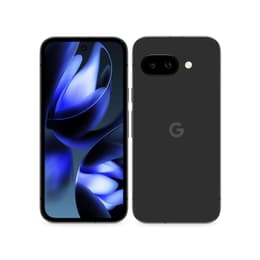
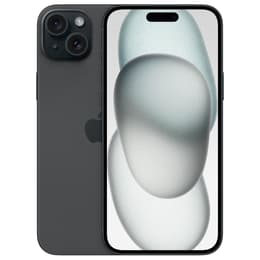
Google Pixel 9a vs iPhone 15 Plus
- 1-year warranty
- Free standard shipping
- Free 30-day returns
Differences at a glance
The Google Pixel 9a (2025) and Apple iPhone 15 Plus (2023) represent distinct approaches to modern mobile technology, balancing screen size, software ecosystems, and daily usability. Running on Android and iOS respectively, these devices cater to users looking for dependable performance and modern capabilities.
While the Pixel 9a focuses on compact portability and a high refresh rate display, the iPhone 15 Plus emphasizes a larger viewing canvas and streamlined multimedia integration. Both smartphones offer distinct feature sets tailored to different user workflows and software preferences.
Available Models
Colour
Storage (GB)
Scores
Durability
When evaluating structural longevity and software support, both devices are built to remain functional and secure for years of daily use.
- Software longevity: The Google Pixel 9a receives seven years of operating system and security updates, while the iPhone 15 Plus benefits from Apple's extended support history spanning multiple years.
- Build resilience: Both models feature robust dust and water resistance ratings alongside sturdy exterior materials designed to withstand everyday wear and tear.
- Practical lifespan: Equipped with efficient hardware architectures, both options maintain steady background performance and longevity, making a quality-assured refurbished option an eco-friendly alternative for long-term use.
Release year
2025
2023
Operating system
Android
iOS
Foldable
No
No
Performance
Day-to-day operation relies on capable internal architecture that handles everything from casual browsing to intensive multitasking smoothly.
- Multitasking and responsiveness: Both devices switch between open apps seamlessly, maintaining consistent system fluidity and quick loading times for everyday utilities.
- Battery behavior: The Pixel 9a utilizes a high-capacity power cell that easily endures long days of mixed usage, whereas the iPhone 15 Plus relies on optimized hardware and software integration to deliver reliable all-day endurance.
- Storage and memory: Both options offer ample baseline storage configurations and memory allocations to accommodate large photo libraries and heavy application caching without slowdowns.
Screen quality
Display characteristics differ notably in size, panel technology, and visual smoothness during interaction.
- Panel technology: Both models use vibrant OLED screens that deliver deep black levels, high contrast ratios, and striking color reproduction for media consumption.
- Refresh rate and fluidity: The Pixel 9a features an adaptive refresh rate scaling up to 120Hz for smoother scrolling, while the iPhone 15 Plus utilizes a standard 60Hz refresh rate.
- Viewing area: The iPhone 15 Plus offers a larger 6.7-inch display suited for immersive video viewing, whereas the Pixel 9a provides a more compact 6.3-inch panel that balances screen estate with one-handed reachability.
Resolution
1080x2424
1290 x 2796
Screen type
P-OLED
Super Retina XDR OLED
Audiovisual
Imaging hardware and computational photography tools allow both phones to capture sharp, detailed everyday photographs and videos.
- Photography performance: Both devices excel in capturing clear daylight shots and feature dependable low-light modes to preserve details in dimly lit environments.
- Video recording: Users can record stabilized, high-resolution video clips with clear audio capture from built-in microphone arrays designed to isolate voice chatter from background noise.
- Media output: Built-in stereo speakers on both models deliver balanced sound output for casual video playback and hands-free calling experiences.
Miscellaneous
Physical dimensions and connectivity standards shape how each smartphone fits into daily travel and routines.
- Connectivity: Both models support modern 5G cellular networks, high-speed Wi-Fi standards, and Bluetooth connections for reliable accessory pairing.
- Port architecture: The iPhone 15 Plus utilizes a reversible USB Type-C port for charging and data synchronization, matching the standard USB Type-C connection found on the Pixel 9a.
- Handling and dimensions: The Pixel 9a is lighter and more compact for pocket storage, while the iPhone 15 Plus provides a broader chassis to accommodate its larger display panel.
Weight
186 oz
201 oz
Screen size (in)
6.3
6.7
Network
5G
5G
SIM card
Physical SIM + eSIM
Physical SIM + eSIM
Carrier compatibility
Unlocked
Unlocked
What the community thinks
User discussions across community forums frequently highlight the Pixel 9a for its smooth high-refresh-rate screen, durable build, and extended software update commitment. At the same time, owners of the iPhone 15 Plus often praise its expansive display estate, reliable battery endurance, and seamless integration within the broader Apple ecosystem. Common critiques for both models occasionally point to lack of expandable storage and baseline configurations that fill up quickly with heavy media use.
Users prioritizing a high refresh rate display, compact handling, and deep software assistance will find the Google Pixel 9a well-suited to their daily routines. Conversely, users prioritizing a larger screen canvas for media consumption and preferred ecosystem compatibility may lean toward the Apple iPhone 15 Plus. Selecting either device as a quality-assured refurbished option provides a sustainable choice that reduces electronic waste while delivering reliable, modern performance.