
Compare models

Google Pixel 8 vs Google Pixel 9a

  • 1-year warranty
  • Free standard shipping
  • Free 30-day returns
Google Pixel 8
Starting at

Refurbished price:A$436.59

Versus A$1,245.00 new

See options
Google Pixel 9a
Starting at

Refurbished price:A$635.00

Versus A$719.76 new

See options

Differences at a glance

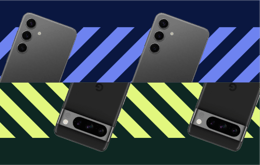
The Google Pixel 8 (2023) and Google Pixel 9a (2025) represent two generations of Google's smartphone philosophy, balancing everyday intelligence with distinct physical design approaches. While the Pixel 8 established a compact flagship footprint with traditional styling, the Pixel 9a introduces a later-generation processor, a slightly larger screen, and a revamped rear layout. Both devices run on the Android operating system and deliver core software experiences, though they cater to different physical handling preferences and hardware iterations.

Available Models

Colour

Storage

Scores

Durability

When evaluating longevity, both models benefit from extensive manufacturer software support, though their release timelines and physical builds differ in practical ways.

  • Software support lifecycle: The Pixel 9a benefits from a later release date and a longer official update window, while the Pixel 8 enters its lifecycle further along its timeline.
  • Repairability and build: Both handsets feature robust dust and water resistance ratings, though their physical frames and glass protection tiers vary according to their generation.
  • Expected lifespan: Both devices maintain enough performance headroom for multi-year daily use, supported by consistent security patches and system upgrades.

Release year

2023

2025

Operating system

Android

Android

Foldable

No

No

Performance

System responsiveness and everyday multitasking capabilities differ due to the generational gap between their internal computing components.

  • Multitasking and app switching: Both units handle routine applications, web browsing, and split-screen tasks smoothly with matching memory allocations, though the newer processor in the Pixel 9a manages sustained heavy workloads with improved efficiency.
  • Battery behavior: The Pixel 9a incorporates a noticeably larger battery capacity that comfortably outlasts the Pixel 8 during intensive, all-day usage scenarios.
  • Storage configurations: Both models provide standard configurations starting at 128GB, accommodating typical photo libraries, apps, and local media without expandable storage slots.

Screen quality

Visual output and display dimensions create subtle distinctions in media consumption and day-to-day viewing comfort.

  • Display dimensions: The Pixel 9a offers a slightly larger screen diagonal compared to the more compact frame of the Pixel 8.
  • Refresh rate and smoothness: Both panels support high refresh rates up to 120Hz, ensuring fluid scrolling through feeds and responsive touch interactions.
  • Outdoor visibility: High peak brightness capabilities on both OLED screens allow content to remain legible under direct sunlight, though glass protection types differ between generations.

Resolution

1080 x 2400

1080x2424

Screen type

OLED

P-OLED

Audiovisual

Photography and multimedia recording hardware reflect distinct design choices between the two generations.

  • Main camera hardware: The Pixel 9a utilizes a higher-resolution primary sensor, while the Pixel 8 relies on an alternative sensor paired with wide-angle capabilities.
  • Low-light and video capture: Both devices leverage advanced computational photography tools for clear night shots and steady 4K video recording.
  • Audio and media output: Stereo speakers on both smartphones deliver clear dialogue and balanced sound for casual video playback and hands-free calls.

Miscellaneous

Physical dimensions, weight distribution, and connectivity features shape the daily handling experience of each device.

  • Form factor and weight: The Pixel 8 offers a slightly narrower and more compact grip, whereas the Pixel 9a distributes its weight differently and removes the traditional raised camera bar for a flush profile.
  • Connectivity standards: Both smartphones support modern 5G networks, Wi-Fi standards, and Bluetooth pairing for reliable accessory connection.
  • Biometrics and sensors: Secure unlocking is handled via facial recognition and fingerprint sensors integrated into both devices.

Weight

187 oz

186 oz

Screen size (in)

6.2

6.3

Network

5G

5G

SIM card

Physical SIM + eSIM

Physical SIM + eSIM

Carrier compatibility

Unlocked

Unlocked

What the community thinks

Community discussions and user feedback highlight distinct preferences for each smartphone. Users frequently praise the Pixel 8 for its compact, easily pocketable dimensions and comfortable one-handed grip. Conversely, owners of the Pixel 9a often emphasize the benefits of its extended battery endurance and the modern aesthetic of its flush rear panel layout. Choosing a quality-assured refurbished option from Back Market allows consumers to explore either device as a sustainable choice that reduces electronic waste without compromising on functionality.

Users prioritizing a smaller, more ergonomic physical footprint may prefer the Google Pixel 8, while users prioritizing longer battery stamina and a later release generation may lean toward the Google Pixel 9a. Evaluating these practical differences ensures a selection that aligns closely with individual daily usage patterns.