
Compare models

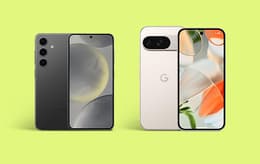
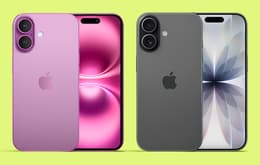
Google Pixel 9a vs iPhone 16

  • 1-year warranty
  • Free standard shipping
  • Free 30-day returns
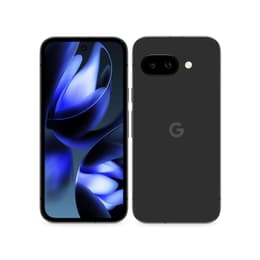
Google Pixel 9a
Starting at

Refurbished price:A$570.00

Versus A$731.50 new

See options
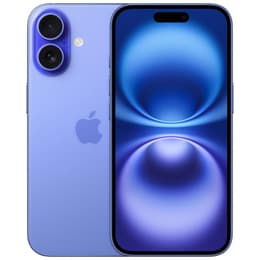
iPhone 16
Starting at

Refurbished price:A$953.00

Versus A$1,349.00 new

See options

Differences at a glance

The Google Pixel 9a (2025) and the Apple iPhone 16 (2024) represent two distinct approaches to modern smartphone design, each tailored to a different ecosystem and user preference. While the Google Pixel 9a runs on Android with an emphasis on integrated software assistance and battery endurance, the iPhone 16 operates on iOS, focusing on tightly integrated hardware and system-wide fluid performance. These devices cater to consumers looking for reliable everyday functionality within distinct software environments.

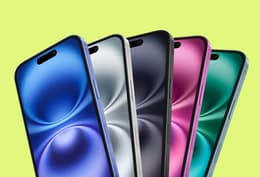
Available Models

Colour

Storage (GB)

Scores

Durability

Both smartphones are engineered for long-term daily use, though they approach hardware support and durability through different timelines and ecosystem models.

    Release timeline and support: The iPhone 16 debuted in late 2024, while the Google Pixel 9a arrived in early 2025, bringing extended software update commitments that span multiple years for both platforms. Both models feature robust water and dust resistance alongside durable outer frames designed to handle regular daily wear. Users looking for extended software maintenance find reliable longevity in both ecosystems.

Release year

2025

2024

Foldable

No

No

Performance

Handling daily tasks, demanding applications, and multitasking efficiently, both devices provide responsive experiences powered by current-generation internal hardware.

    System responsiveness: Both devices load apps swiftly and manage active background tasks smoothly, backed by ample system memory.
    Battery behavior: The Google Pixel 9a features a high-capacity battery that supports extended usage periods, while the iPhone 16 relies on power-efficient hardware management to sustain a full day of typical activities. Both models support modern wired and wireless charging standards.

Screen quality

Visual clarity and display responsiveness play crucial roles in daily media consumption, reading, and outdoor navigation.

    Display technology: The Google Pixel 9a utilizes an OLED panel with a fluid high refresh rate for smooth scrolling, matching the responsive display technology found on the iPhone 16.
    Brightness and clarity: Both screens offer high peak brightness levels and sharp resolutions, ensuring content remains legible under direct sunlight and vibrant during indoor media playback.

Resolution

1080x2424

1179 x 2556

Screen type

P-OLED

Super Retina XDR OLED

Audiovisual

Capturing everyday moments and recording video are central to both smartphones, utilizing advanced computational processing and multi-lens hardware configurations.

    Camera capabilities: The Google Pixel 9a pairs a high-resolution main sensor with an ultra-wide lens, complemented by automated image tuning. The iPhone 16 utilizes a dual-lens camera system featuring dedicated photographic controls and refined low-light processing.
    Media output: Both models deliver stable video recording and clear audio capture, making them well-suited for social media sharing and video calls.

Miscellaneous

Practical everyday features, physical dimensions, and connectivity options shape how each device fits into a user's routine.

    Build and handling: The Google Pixel 9a offers a lightweight plastic-backed construction with a flush camera layout, while the iPhone 16 features a glass-and-aluminum build with physical side controls.
    Connectivity: Both phones provide 5G capability, modern Wi-Fi standards, and secure biometric authentication methods for quick unlocking and safe payments. Choosing a quality-assured refurbished option provides a sustainable choice for consumers aiming to reduce environmental impact.

Weight

186 oz

170 oz

Screen size (in)

6.3

6.1

Network

5G

5G

SIM card

Physical SIM + eSIM

Physical SIM + eSIM

Carrier compatibility

Unlocked

Unlocked

What the community thinks

Users evaluating these two smartphones often note that the choice largely depends on preferred software ecosystems and physical handling preferences. Common praise for the Google Pixel 9a centers on its reliable battery endurance, clean operating system experience, and clear display, though some users mention that its basic AI feature set is more limited compared to higher-tier models. Conversely, the iPhone 16 receives frequent praise for its premium build quality, intuitive operating system, and responsive performance, though critics occasionally point to standard charging speeds as an area for improvement.

Users prioritizing extended battery life and a customizable operating system may prefer the Google Pixel 9a, while users leaning toward a tightly integrated hardware ecosystem and structured software environment often choose the iPhone 16. Exploring a quality-assured refurbished option across either model offers a sustainable choice for environmentally conscious buyers. Ultimately, both devices provide capable performance tailored to distinct user needs without leaning on promotional claims.