Compare models
Google Pixel 9a vs iPhone 14 Pro Max
- 1-year warranty
- Free standard shipping
- Free 30-day returns
Differences at a glance
The Google Pixel 9a (2025) and the iPhone 14 Pro Max (2022) represent different approaches to smartphone design, software philosophy, and ecosystem integration. While the Pixel 9a arrives as a modern, streamlined device focused on everyday efficiency and clean software, the iPhone 14 Pro Max stands as a larger, robust flagship equipped with heavy-duty performance capabilities. Operating on Android and iOS respectively, these two models cater to distinct user preferences regarding software customization and interface layout.
Choosing between them involves weighing software ecosystems, physical handling, and hardware features tailored to daily routines. Both devices offer unique advantages that suit different daily workflows, making a side-by-side evaluation essential for determining the right fit.
Available Models
Colour
Storage
Scores
Durability
When examining longevity, both models offer distinct software support timelines and hardware reliability profiles suited for multi-year daily use.
- Software Support Timelines: The Google Pixel 9a benefits from an extended multi-year update commitment typical of recent releases, ensuring long-term security patching. The iPhone 14 Pro Max maintains Apple's established support window, receiving system updates for several years following its initial launch.
- Repairability and Build Structure: Both devices feature solid internal engineering designed to withstand normal wear, though repair availability varies by region and service provider. Opting for a quality-assured refurbished option provides a sustainable choice that extends the functional lifecycle of these devices while reducing electronic waste.
- Expected Practical Lifespan: Thanks to capable internal hardware and sustained software updates, both smartphones comfortably handle daily tasks for several years without noticeable performance degradation.
Release year
2025
2022
Operating system
Android
iOS
Foldable
No
No
Performance
Performance capabilities vary based on how each device manages internal resources for multitasking, gaming, and battery endurance.
- Multitasking and Responsiveness: Both devices handle everyday applications, web browsing, and media streaming smoothly. Generous RAM allocation ensures that switching between multiple open apps happens without stutter or unexpected reloading.
- Storage and Capacity Options: Each model is available in multiple storage tiers to accommodate varying media libraries, document storage, and application requirements without frequent cleanup.
- Battery Behavior: The iPhone 14 Pro Max delivers robust battery endurance that easily spans a full day of intensive use, while the Google Pixel 9a offers balanced power consumption optimized for standard daily routines and efficient standby times.
Screen quality
Visual output and display characteristics dictate the overall media consumption and outdoor viewing experience for both smartphones.
- Display Technology: Both models utilize vibrant OLED panels that deliver deep contrast levels, rich colors, and wide viewing angles suitable for reading and video playback.
- Outdoor Brightness: High peak brightness levels on both displays ensure that text and images remain legible under direct sunlight or bright outdoor lighting conditions.
- Screen Size and Interaction: The iPhone 14 Pro Max features a larger display footprint offering expanded screen real estate for productivity, whereas the Google Pixel 9a provides a more compact viewing area that facilitates easier one-handed navigation.
Resolution
1080x2424
1290 x 2796
Screen type
P-OLED
LTPO Super Retina XDR OLED
Audiovisual
Imaging capabilities differ across lens configurations, software processing styles, and audio-visual recording features.
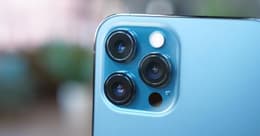
- Camera System Setup: The iPhone 14 Pro Max includes a versatile triple-lens array featuring a dedicated telephoto zoom lens for distant subjects. The Pixel 9a relies on a streamlined dual-lens setup paired with advanced computational photography to capture detailed everyday shots.
- Low-Light and Video Performance: Both devices excel at capturing clear images in dim environments and record stable, high-resolution video footage equipped with effective background noise reduction for clear audio capture during recording.
- Media and Audio Output: Built-in stereo speakers on both models deliver clear sound quality for hands-free calls, podcasts, and casual video viewing without external speakers.
Miscellaneous
Physical design attributes, connectivity options, and daily handling characteristics shape the practical experience of carrying and using each device.
- Physical Dimensions and Weight: The iPhone 14 Pro Max features a heavier, stainless steel and glass construction that feels substantial in the hand. In contrast, the Google Pixel 9a utilizes a lighter build with a matte finish designed for comfortable, fatigue-free handling.
- Connectivity and Ports: Both models support rapid 5G cellular connectivity, modern Wi-Fi standards, and reliable Bluetooth pairing. The Pixel 9a uses a standard USB-C port for charging and data transfer, while the iPhone 14 Pro Max employs Apple's proprietary Lightning connector.
- Security and Authentication: Security features include reliable biometric authentication methods, allowing quick device unlocking and secure authorization for mobile payments and applications.
Weight
186 oz
120 oz
Screen size (in)
6.3
6,7
Network
5G
5G
SIM card
Physical SIM + eSIM
Physical SIM + eSIM
Carrier compatibility
Unlocked
Unlocked
What the community thinks
Deciding between the Google Pixel 9a and the iPhone 14 Pro Max depends entirely on individual preferences regarding software ecosystem, physical size, and hardware features. Users prioritizing a lightweight design, clean software integration, and a streamlined user interface will find the Google Pixel 9a well-suited to their daily routines. Conversely, users seeking a larger display area, extended battery endurance under heavy workloads, and a dedicated telephoto camera lens may prefer the iPhone 14 Pro Max.
Reviewing these practical differentiators helps clarify which device aligns best with specific personal requirements. For consumers looking to make an eco-friendly choice, selecting a quality-assured refurbished option provides a sustainable way to acquire either smartphone while supporting circular economy practices. Each device delivers reliable performance, ensuring that whichever model you choose meets your daily communication and productivity needs effectively.